Great Military Stories

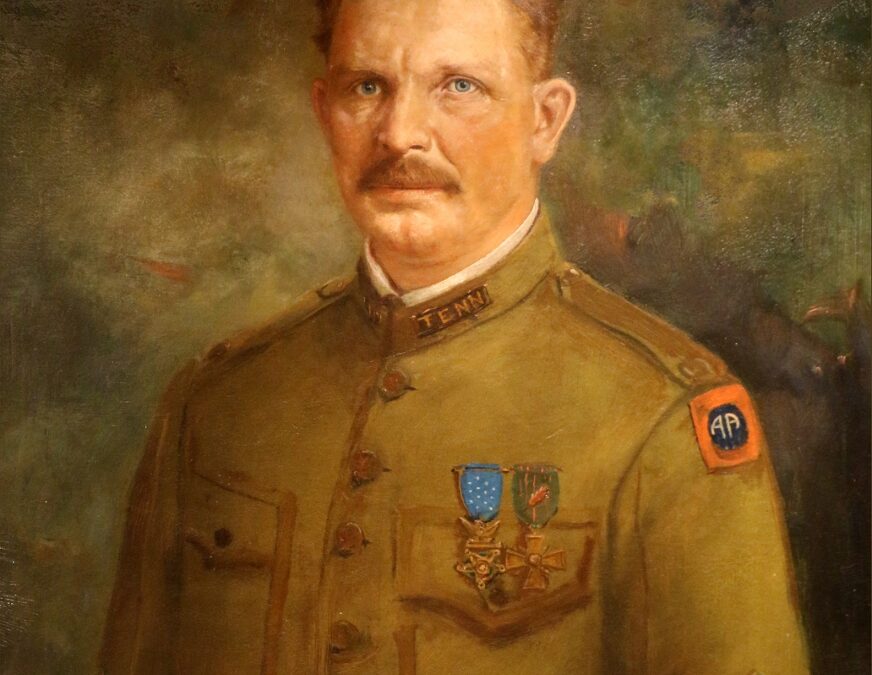
Sgt Alvin York, U.S. Army (1941–1947) – Medal of Honor Recipient

Sgt Alvin York, U.S. Army (1941–1947) – Medal of Honor Recipient

Sergeant Alvin York was seemingly born to a hardscrabble existence and anonymity in death, but World War One changed that forever. The story of York is one that twists and turns like the Mississippi river as he went through redemption and battled personal demons. The Early Struggles of Alvin York At the end of it, all was the story that could have secured fame, finance, and his future - but York turned his back on it all to go back to the simple life and try and make a positive impact on the community in which he lived. York's early upbringing laid the foundations for the heroic feats that he would perform later on in life. He was born in a log cabin in 1887 close to Pall Mall in Tennessee, the third of 11 children. His upbringing was typical of the poor, subsistence farmers living in the area. Alvin was only sent to school for nine months as his father wanted him to help out on the farm and hunt to provide extra food on the table. This lack of schooling may have set York back in...

read more
Native American Contributions in the U.S. Military

Native American Contributions in the U.S. Military

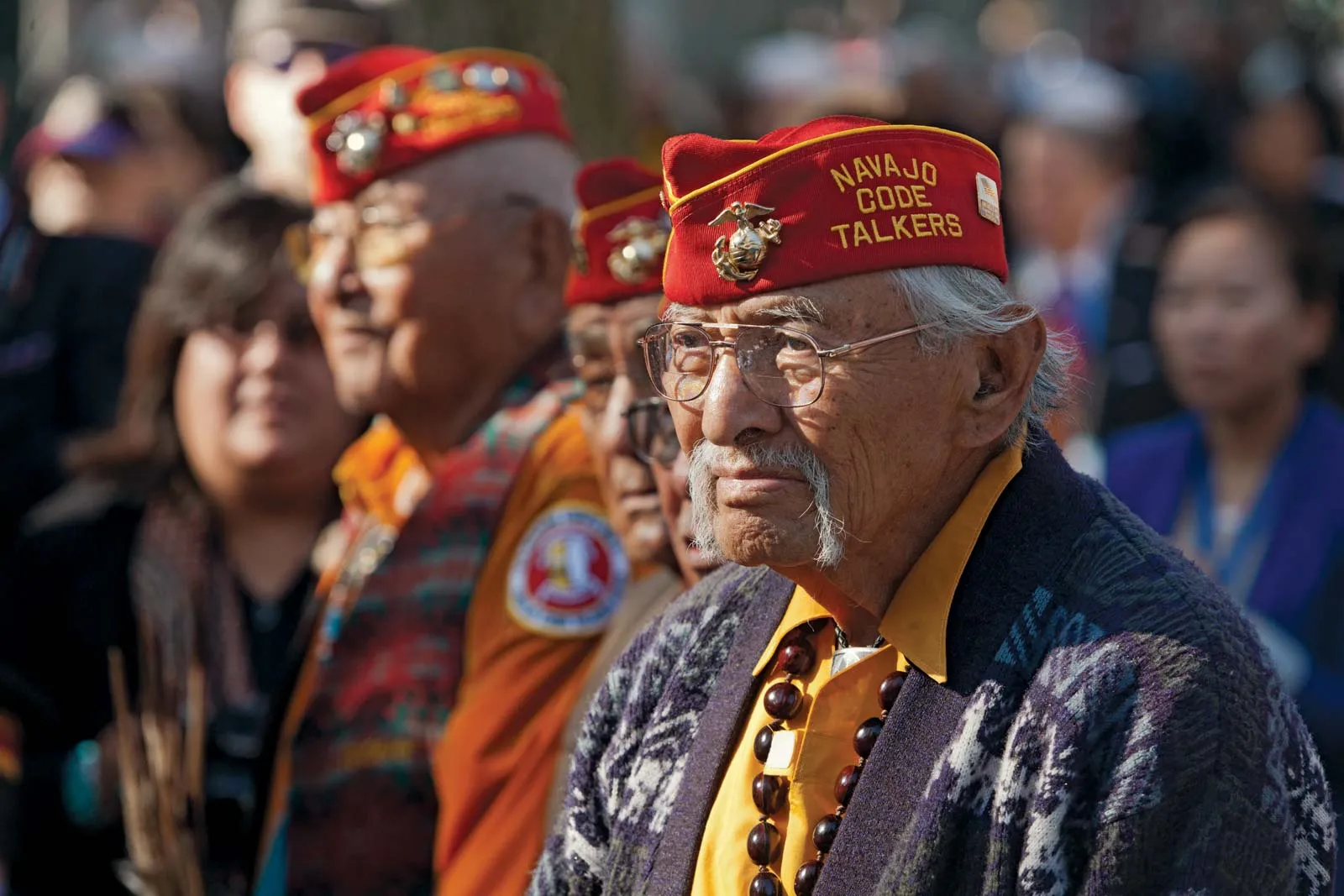
Throughout American History, Native Americans have distinguished themselves with bravery and courage in military service to their country, often without enjoying the same rights and privileges afforded other soldiers.  Native American Contributions in World War I During WWI, more than 10,000 Native Americans served in the American Expeditionary Force. The majority were volunteers, and most were not considered U.S. citizens. Only U.S. citizens were eligible for the draft. Despite this, the government required Native American men to register for the draft, causing frustration and sometimes rebellion. Many hoped their service would lead to the government granting them full U.S. citizenship. At the time, only Native Americans who accepted an allotment of land under the Dawes Act of 1887 received citizenship. As a result, thousands of Native Americans served before they even won the right to vote. It was during WWI that military officials realized the value of Native languages to...

read more