World War II

Destroyed Military Records. A Disaster with Long-Lasting Repercussions

Destroyed Military Records. A Disaster with Long-Lasting Repercussions

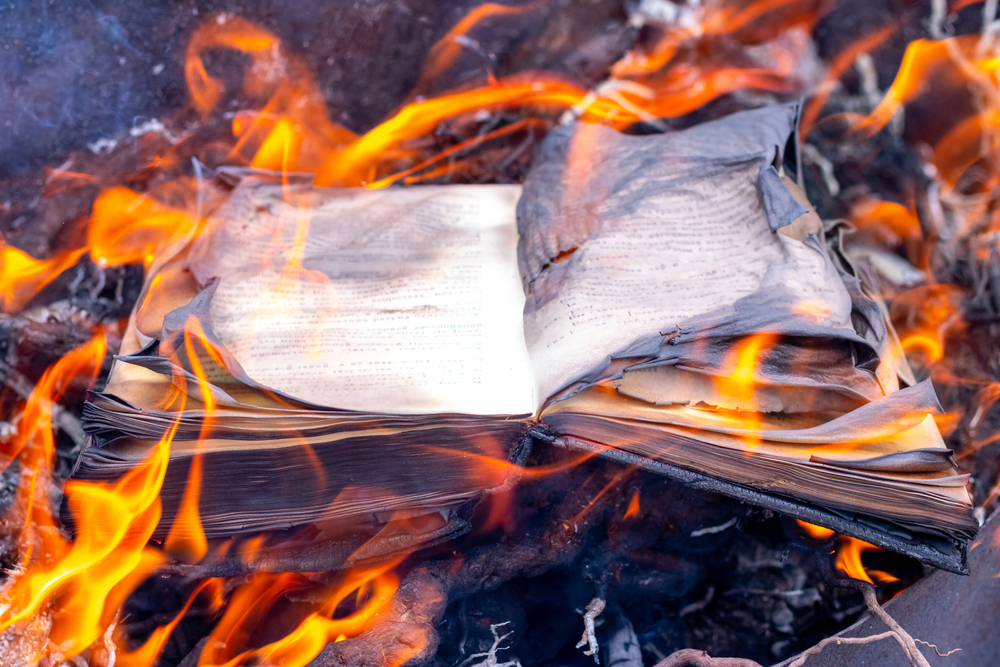
In 1973 a devastating fire in the National Personnel Records Center destroyed about 17 million military personnel files. A loss with long-lasting repercussions, it affects our understanding and knowledge of many individual WWII stories. The Fire at the National Personnel Records Center Here in New Orleans, the destructive power of fire and especially water is well known. Large disasters such as floods, earthquakes, and fires affect our national consciousness, and their devastating power often goes beyond the destruction of buildings and landscapes. In many cases, invaluable records, images, and other memories of human experience are lost in their wake. One such disaster affects our understanding of World War II to this day in that it took millions of records of those who fought it: the 1973 fire at the National Personnel Records Center in St. Louis. Design Flaws in the NPRC and the Fire Hazard The National Personnel Records Center was formed in 1956 in an effort to streamline...
read more
Native American Contributions in the U.S. Military

Native American Contributions in the U.S. Military

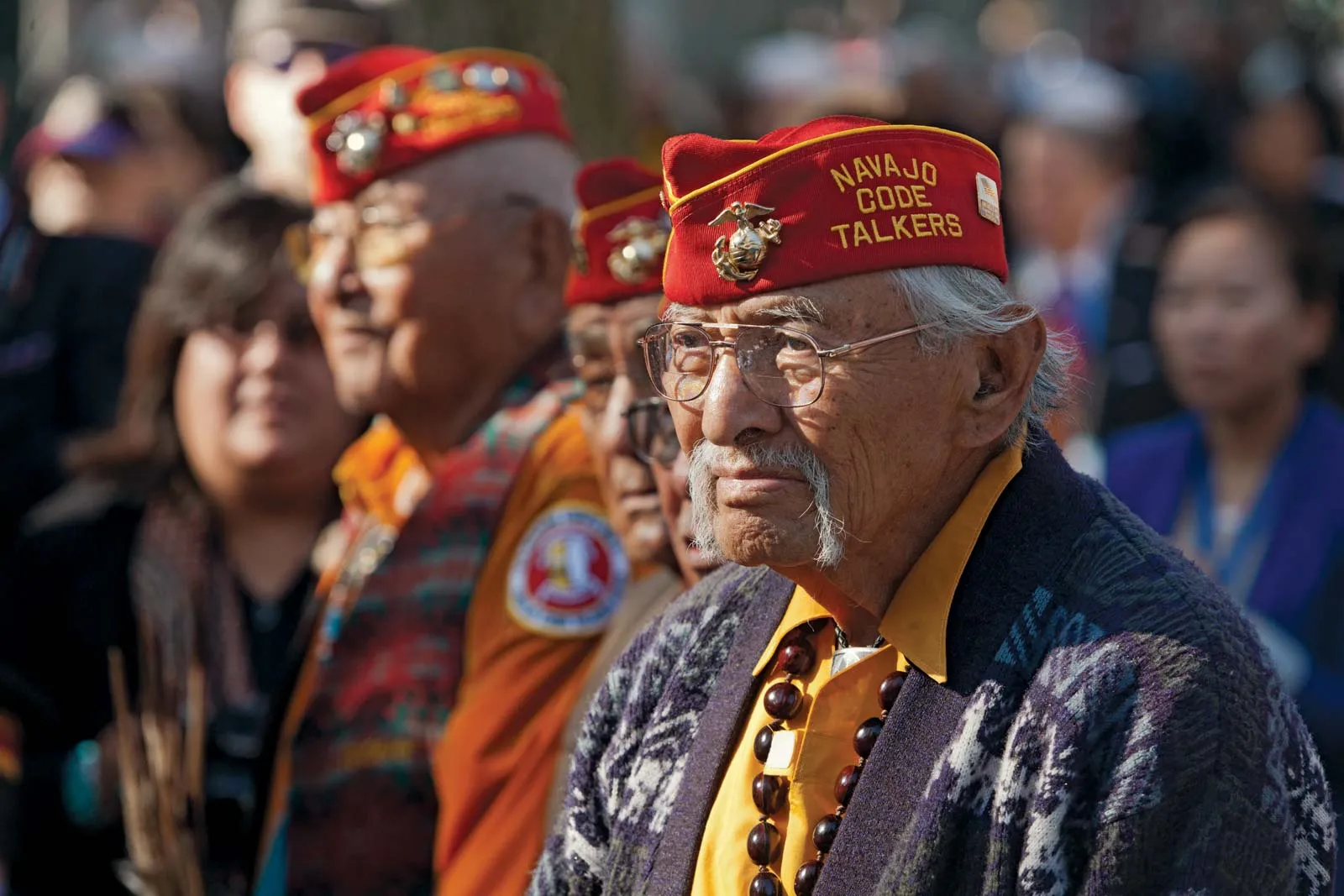
Throughout American History, Native Americans have distinguished themselves with bravery and courage in military service to their country, often without enjoying the same rights and privileges afforded other soldiers.  Native American Contributions in World War I During WWI, more than 10,000 Native Americans served in the American Expeditionary Force. The majority were volunteers, and most were not considered U.S. citizens. Only U.S. citizens were eligible for the draft. Despite this, the government required Native American men to register for the draft, causing frustration and sometimes rebellion. Many hoped their service would lead to the government granting them full U.S. citizenship. At the time, only Native Americans who accepted an allotment of land under the Dawes Act of 1887 received citizenship. As a result, thousands of Native Americans served before they even won the right to vote. It was during WWI that military officials realized the value of Native languages to...

read more
World War II Veterans

World War II Veterans

How Many World War II Veterans are Still Alive Today? According to Pew Research, the number of living WWII veterans dropped to under 300,000 in 2020 from over 930,000 in 2015. The oldest of these veterans is Lawrence Brooks, an Army veteran born in Louisiana in September 1909, drafted at the age of 31, and sent to the Pacific front with the 91st Engineers. One of the 1.2 million African-Americans served during the war, PFC Brooks mainly cooked and cleaned for his superior officers. The Coast Guard has contributed to the nation’s maritime protection since its previous incarnation was founded in 1790. The United States Revenue Cutter Service initially had a fleet of just ten cutters, known as the Revenue-Marine, to enforce tariffs and collect vital income for the young country. From this humble beginning, the Revenue Cutter Service’s responsibilities grew, taking on more maritime services and even homeland security missions, starting with the Quasi-War with France in the late...

read more