The Christy Collection

Military Stories and Articles

WW II – Buna Gona: MacArthur’s Jungle Slugfest in the Pacific

WW II – Buna Gona: MacArthur’s Jungle Slugfest in the Pacific

The first full year of World War II was a hard-fought one for the Allies in the Pacific Theater. In 1942, Thailand, the Philippines, Guam, Wake Island, Malaya, Singapore, Hong Kong, and more were in Japanese hands, as were tens of thousands of American, Australian, and British prisoners of war. In January of that year, Rabaul fell to the Japanese, alarming Australians as Imperial Japan advanced on Papua New Guinea.  Buna Gona Forces Japan to Halt Its Advance The enemy reached the heights...

read more
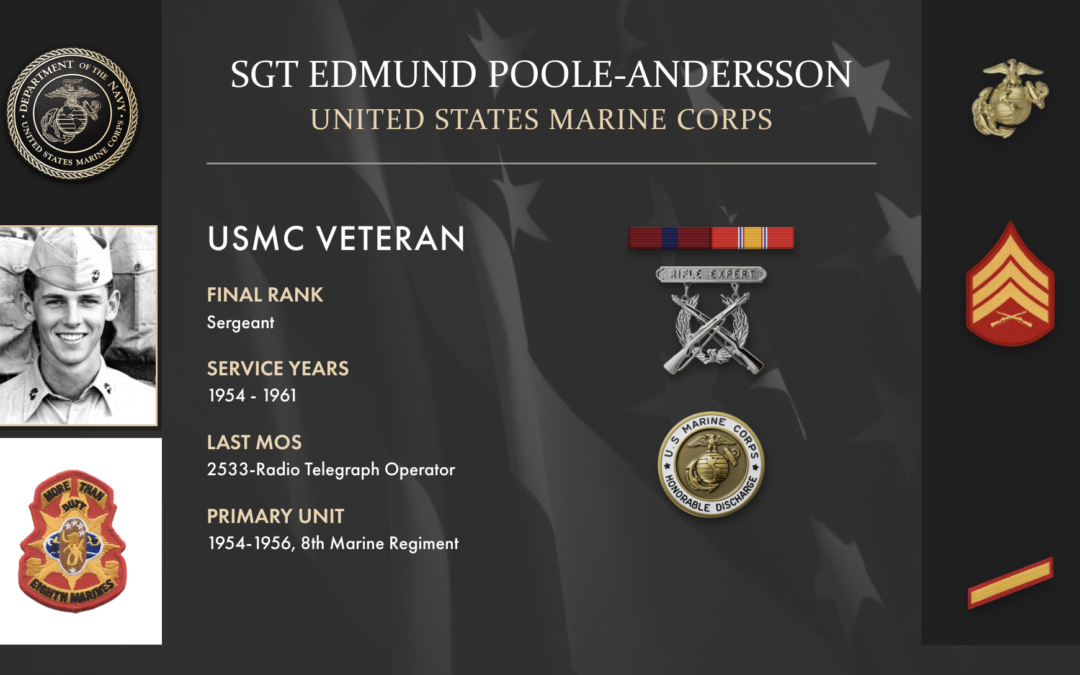
Service Reflections of Sgt Edmund Poole-Andersson, U.S. Marine Corps (1954-1961)

Service Reflections of Sgt Edmund Poole-Andersson, U.S. Marine Corps (1954-1961)

I grew up an adopted child in a dysfunctional family and was compelled to leave home at age 16. I managed to finish high school while paying for room and board earned from working two part-time jobs. In 1953, at age 17, I joined the Army National Guard (Combat Engineers, Charlestown, MA) to earn extra money and its drill team for the same reason, getting my first taste of military service. I was Captain of my high school hockey team, earned league All-Star honors, but had a passing but unimpressive academic record. Playing at the college level required remediation in prep school, which was unaffordable. So, I decided to test myself in the Marine Corps, a better option than the projected path that lay ahead. That decision changed my life!

read more
WW2 – The Angels of Bataan

WW2 – The Angels of Bataan

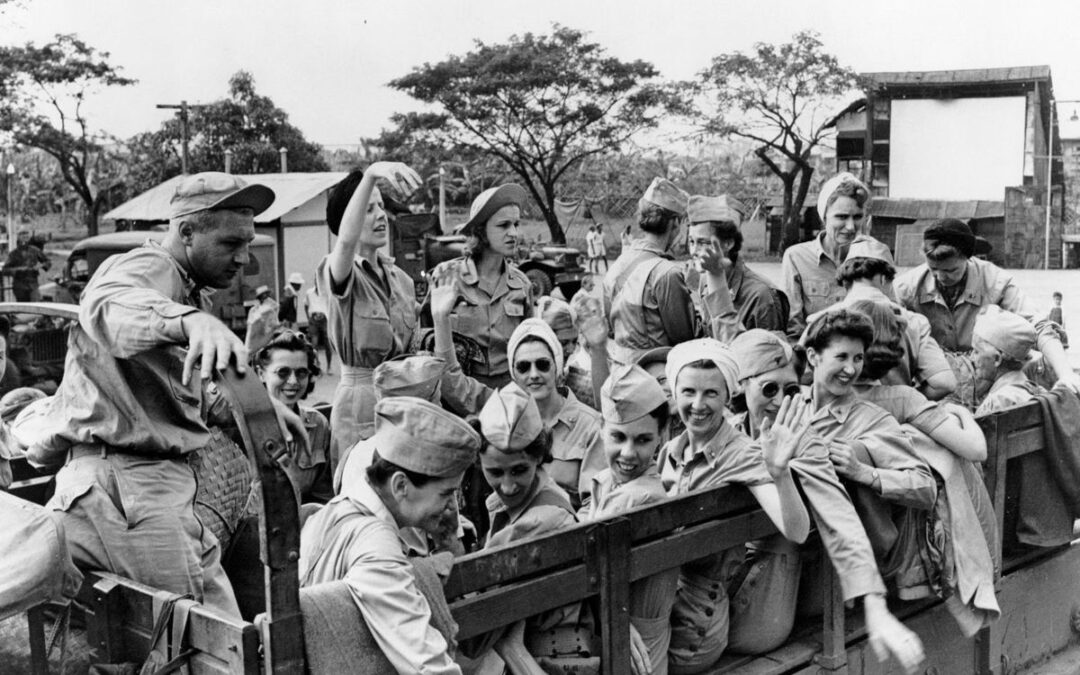
When Americans woke up Sunday morning on December 7, 1941, they were stunned to learn Japanese naval aircraft had attacked Pearl Harbor. What they would soon find out that was only the beginning. Pearl Harbor was just one part of the Japanese plan for the day. Within hours, Japanese naval and ground forces attacked and invaded Wake Island, Guam, Malaya, Singapore, Honk Kong, Thailand and Burma. The Onset of War: The Angels of Bataan Face Their First Test Ten hours after the devastating...

read more
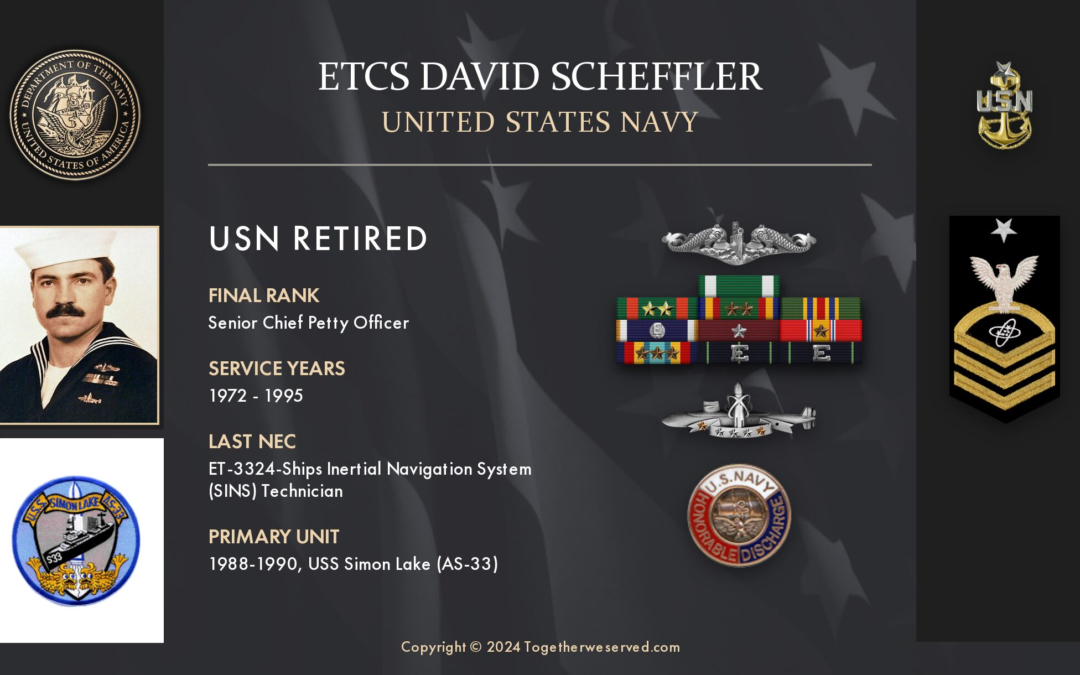
Service Reflections of ETCS David Scheffler, U.S. Navy (1972-1995)

Service Reflections of ETCS David Scheffler, U.S. Navy (1972-1995)

PRESERVING A MILITARY LEGACY FOR FUTURE GENERATIONS The following Reflections represents ETCS David Scheffler's legacy of his military service from 1972 to 1995. If you are a Veteran, consider preserving a record of your own military service, including your memories and photographs, on Togetherweserved.com (TWS), the leading archive of living military history. The following Service Reflections is an easy-to-complete self-interview, located on your TWS Military Service Page, which enables you...

read more
2LT Beauford Theodore Anderson, U.S. Army (1942-1952)

2LT Beauford Theodore Anderson, U.S. Army (1942-1952)

The tiny village of Soldier's Grove, Wisconsin, has a population of only 534 people, but it has a rich history. In the 1980s, it became the first town in America to get more than half its energy from the sun, making it the country's first "solar village." It's also where World War II veteran Beauford Theodore Anderson came of age.  The Heroism of Beauford Theodore Anderson Born in 1922, Beauford T. Anderson joined the Army at age 20 and was sent to the Pacific Theater. He returned to...

read more
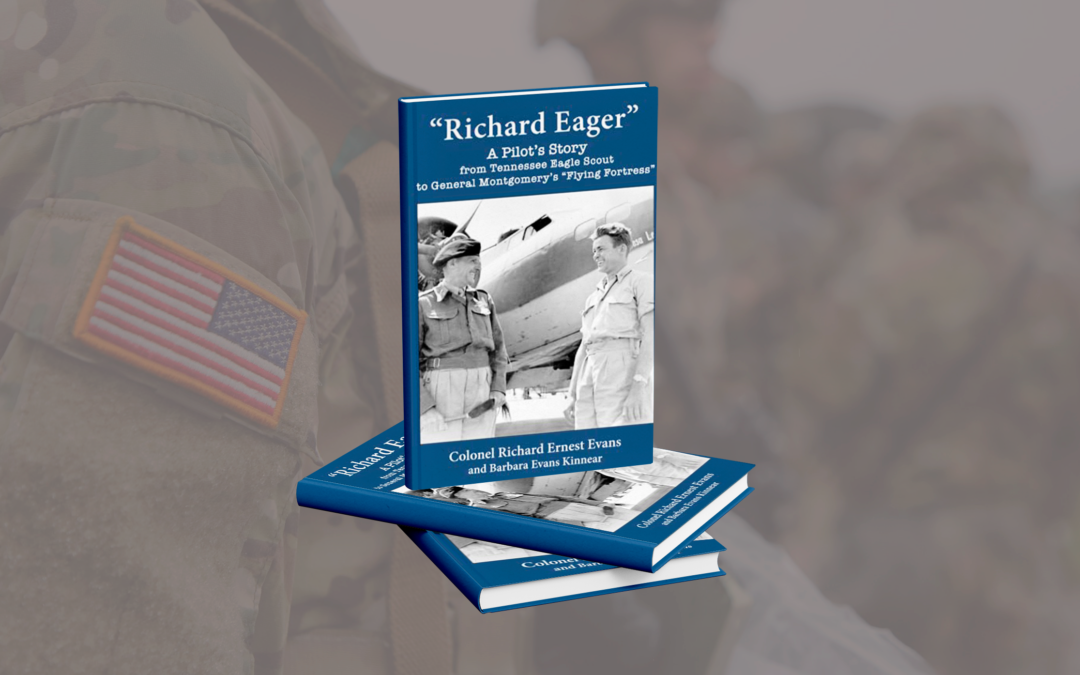
A Pilot’s Story from Tennessee Eagle Scouts to General Montgomery’s Flying Fortress by Richard Eager

A Pilot’s Story from Tennessee Eagle Scouts to General Montgomery’s Flying Fortress by Richard Eager

Some say the decades between 1930 and 1970 were the golden age of aviation. For many pilots, this was certainly the case. Aviation technology took a great leap forward during and after World War II. Pilots began testing the limits of their craft, from altitude to the sound barrier. Most importantly, the years saw the creation of the U.S. Air Force as an independent military branch.  About the Author of A Pilot's Story from Tennessee Eagle Scouts Starting from a must-win air war like World...

read more
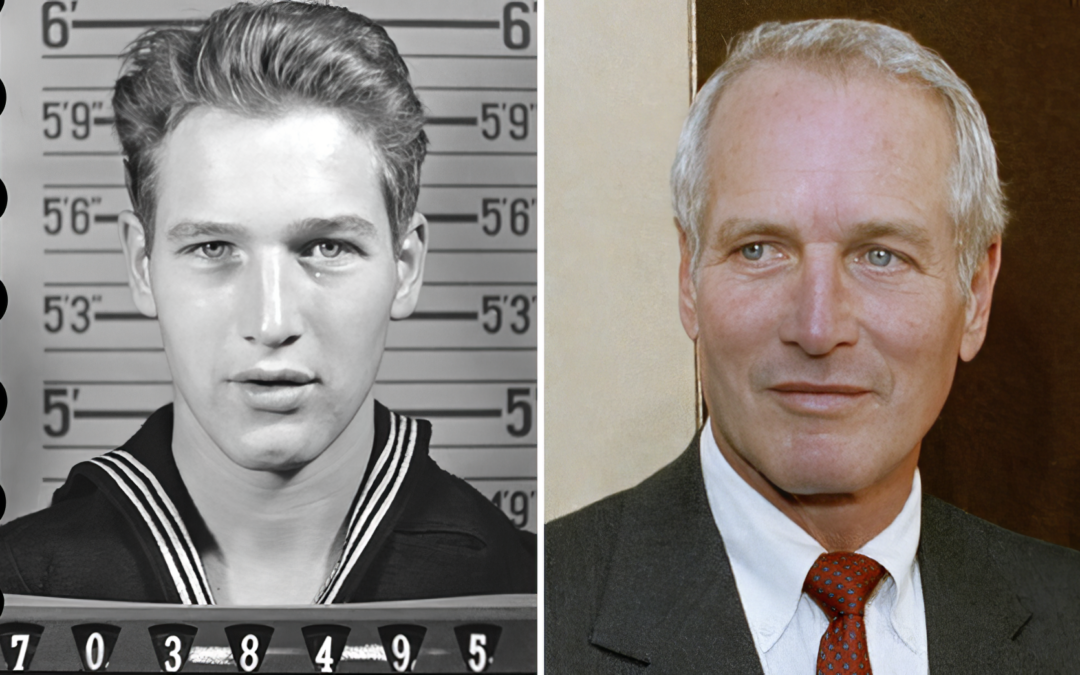
Radioman 3rd Class Paul Leonard Newman, U.S. Navy (1943-1946)

Radioman 3rd Class Paul Leonard Newman, U.S. Navy (1943-1946)

In the dazzling world of Hollywood, Paul Newman's name has become synonymous with timeless charm, talent, and philanthropy. A prominent American actor and director, renowned for his captivating charm, striking intelligence, and enduring good looks, he graced the silver screen for over half a century. Throughout his illustrious career, Newman made a name for himself by delivering riveting portrayals of iconic antiheroes. But long before he became an award-winning actor, Newman donned a uniform...

read more
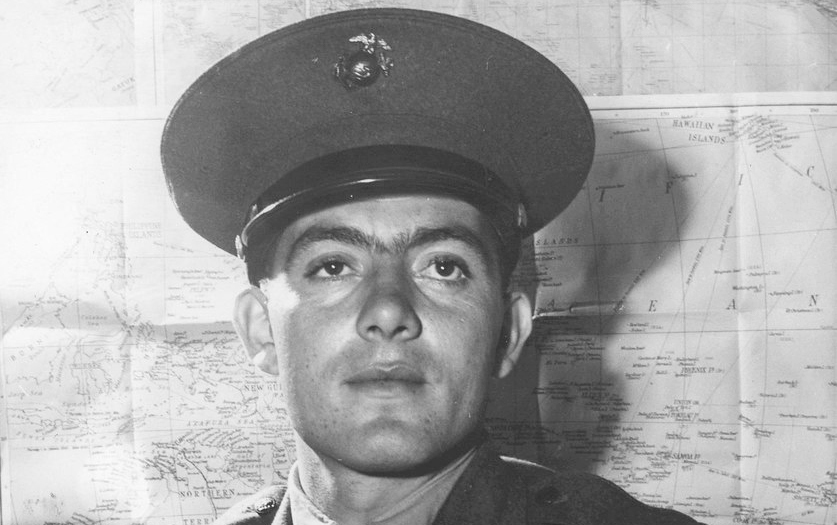
Gunnery Sgt. John Basilone, U.S. Marine Corps (1934-45)

Gunnery Sgt. John Basilone, U.S. Marine Corps (1934-45)

Today's United States Marines have many idols. Unsurprisingly, these are often other Marines, Marines who served in wars past but distinguished themselves and exemplified what it means to call oneself a United States Marine. Few of these idols loom as large as Gunnery Sgt. John Basilone.  Basilone was born to an Italian family in Upstate New York and raised in New Jersey. He was working as a golf caddy when he decided to join the Army in 1934. It was, of course, years before the United...

read more
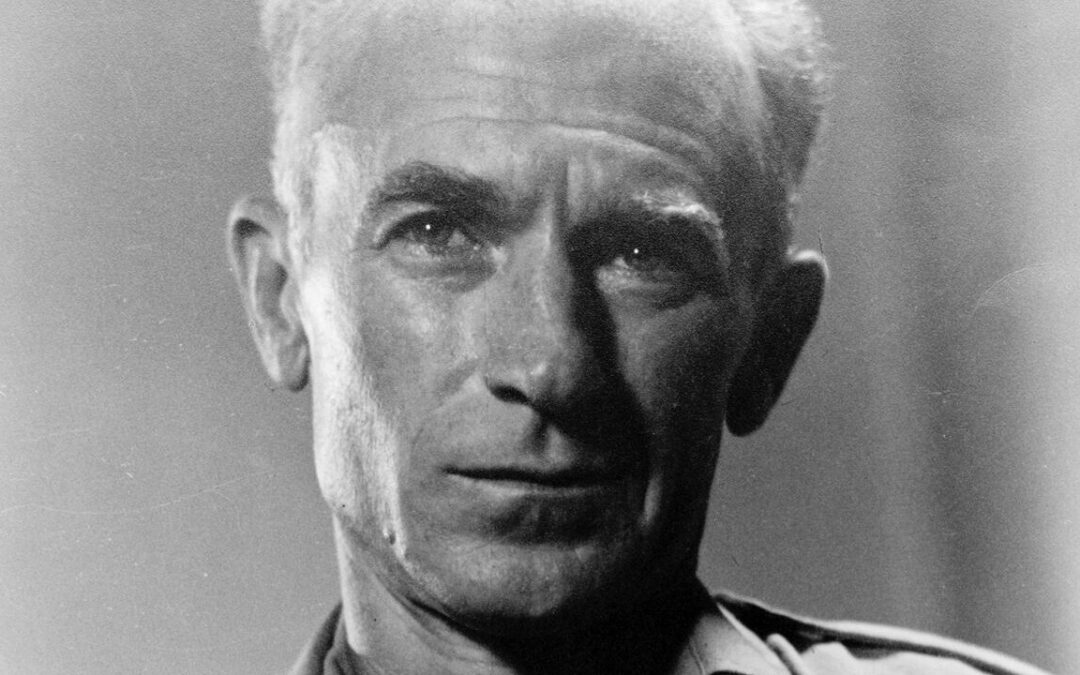
Ernie Pyle – Famous WWII War Correspondent

Ernie Pyle – Famous WWII War Correspondent

American journalist Ernest Taylor "Ernie" Pyle was one of the most famous war correspondents of WWII. Using his folksy writing style, Pyle connected with his readers and brought the realities of the battlefront to living rooms across America. At his peak, his columns appeared in 400 daily and 300 weekly newspapers. His devoted readers included political and military leaders and first lady Eleanor Roosevelt. His coverage of campaigns in North Africa, Italy, and France earned him a Pulitzer...

read more
George H.W. Bush And the Chichi Jima Incident

George H.W. Bush And the Chichi Jima Incident

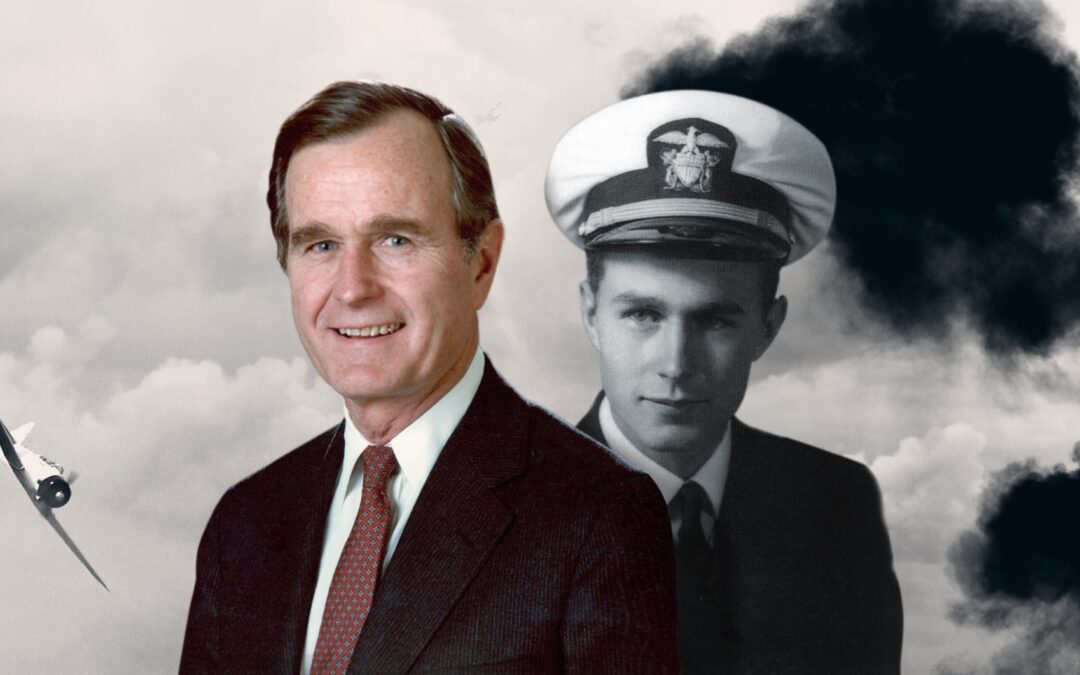
By the summer of 1944, continuous successes against the Japanese placed Allied forces on the doorsteps of its mainland. Convinced an invasion of Japan was necessary for a final victory, military commanders began planning for an amphibious landing on the strategically located Iwo Jima, roughly 575 miles from the Japanese coast. Once in the hands of the Allies, Iwo Jima would be a perfect place where B-29 bombers, damaged over Japan, could land without returning all the way to the Mariana...

read more
Maj Richard Bong, U.S. Army Air Forces (1941–1945)

Maj Richard Bong, U.S. Army Air Forces (1941–1945)

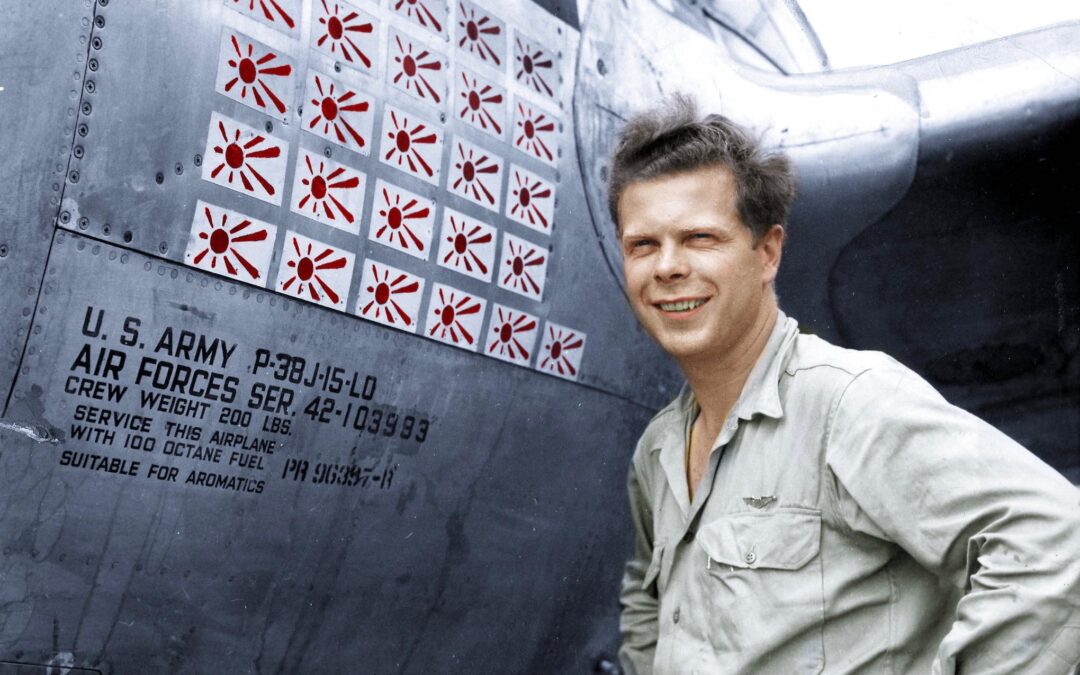
Richard Ira "Dick" Bong, was born September 24, 1920, in St. Mary's hospital in Superior, Wisconsin. He was the first of nine children born to Carl T. Bong and Dora Bryce Bong, living on a farm near the small town of Poplar, Wisconsin, about 20 miles southeast of Superior. Dick's father came to the United States from Sweden at the age of seven, and his mother was of Scots-English descent. Dick grew up on the family farm and attended the Poplar Grade School. Richard Bong then attended the...

read more