

PRESERVING A MILITARY LEGACY FOR FUTURE GENERATIONS
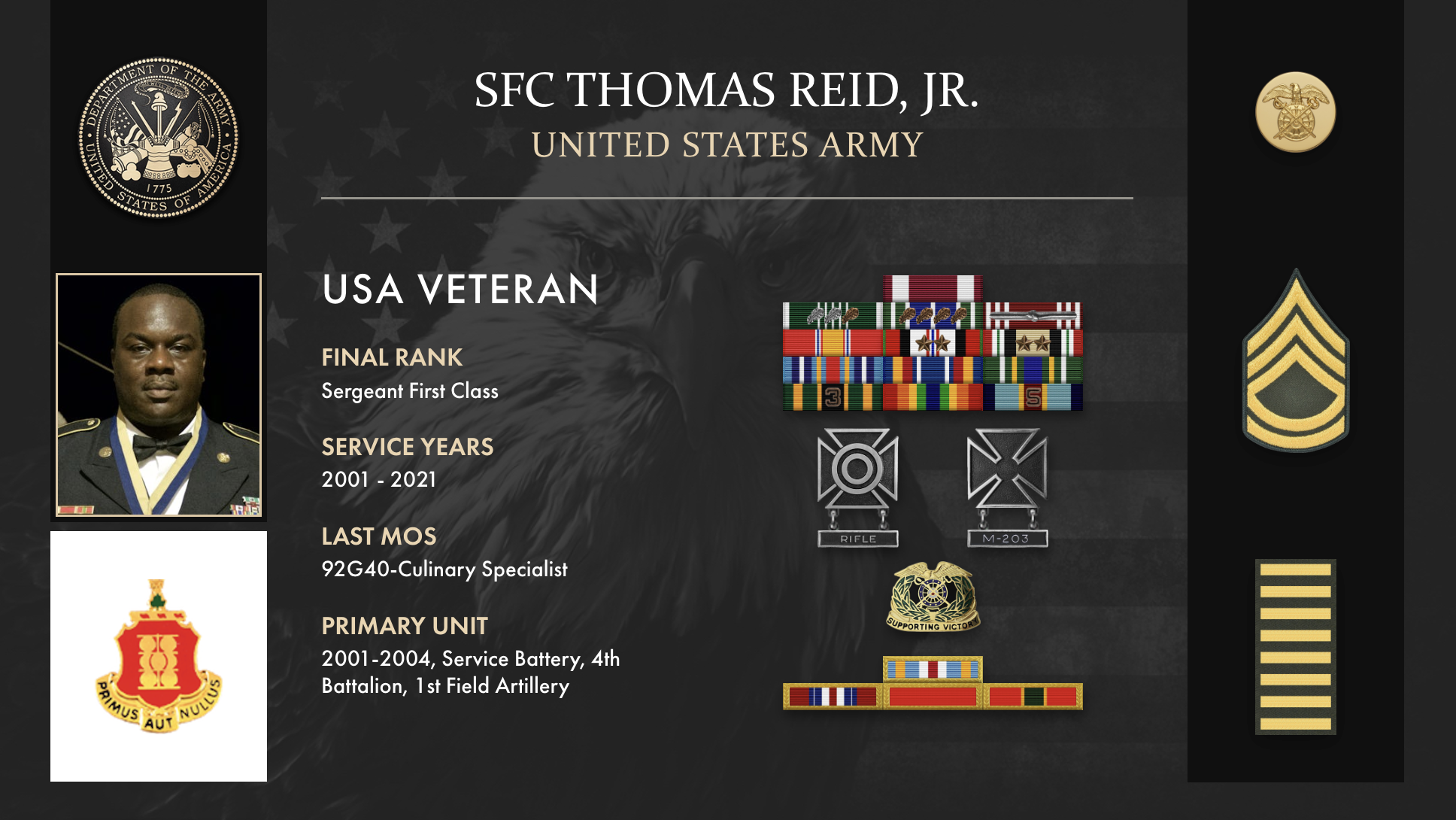
The following Reflections represents SFC Thomas Reid’s. legacy of his military service from 2001 to 2021. If you are a Veteran, consider preserving a record of your own military service, including your memories and photographs, on Togetherweserved.com (TWS), the leading archive of living military history. The following Service Reflections is an easy-to-complete self-interview, located on your TWS Military Service Page, which enables you to remember key people and events from your military service and the impact they made on your life. Start recording your own Military Memories HERE.
Please describe who or what influenced your decision to join the Army.
My decision to join the Army was deeply influenced by the legacy of service in my family—especially my father, grandfather, and uncle, all of whom served as Vietnam veterans. Growing up, I saw the strength, discipline, and humility they carried from their time in the military. They didn’t often talk about their experiences, but when they did, it was clear how much serving meant to them and how it shaped who they were. Their sense of duty, sacrifice, and commitment to something greater than themselves inspired me to follow in their footsteps. For me, joining the Army is not just a personal goal—it’s a way to honor their legacy and continue the proud tradition of service in our family.
Whether you were in the service for several years or as a career, please describe the direction or path you took. Where did you go to basic training, and what units, bases, or squadrons were you assigned to? What was your reason for leaving?
I served proudly in the U.S. Army for 20 years. I completed Basic Training at Fort Jackson, South Carolina, with Alpha Company, 2nd Battalion, 39th Infantry Regiment (A2/39). My Military Occupational Specialty (MOS) was as a cook, and throughout my career, I supported soldiers by ensuring they had the fuel they needed to complete the mission. While I remained in the culinary field throughout my service, I always had a strong passion for computers and cybersecurity. Even though I wasn’t able to officially switch into that field while in uniform, I spent a lot of time learning, studying, and staying connected to the world of technology on my own. That personal drive didn’t fade—it motivated me throughout my career and continues to guide my path in retirement. Retiring after 20 years of service, I left the Army proud of what I had accomplished and even more determined to pursue my passion in the cyber and IT fields in civilian life.
If you participated in any military operations, including combat, humanitarian, and peacekeeping operations, please describe those that made a lasting impact on you and, if life-changing, in what way?
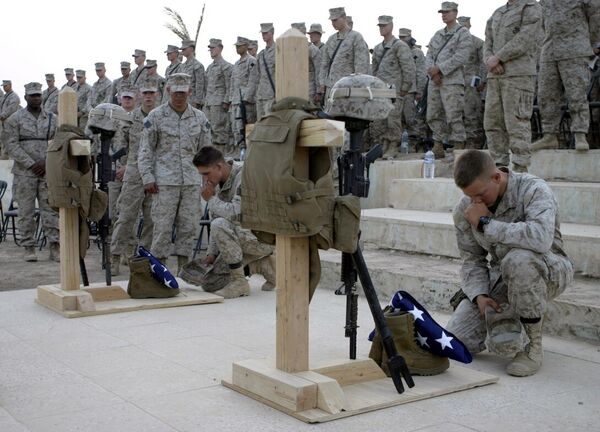
During my 20 years in the Army, I had the honor—and burden—of serving in both Operation Iraqi Freedom (OIF) and Operation Enduring Freedom (OEF). Those deployments were truly life-changing. Being in a combat zone brings everything into perspective: the value of life, the strength of brotherhood, and the true meaning of sacrifice. I saw firsthand the harsh realities of war—the long nights, the constant uncertainty, and the toll it takes not just physically, but mentally and emotionally.
But what impacted me most was losing close friends—people I trained with, served beside, laughed with. That kind of loss leaves a mark that never fully fades. Their memory is something I carry with me every single day, and it changed how I view life, leadership, and purpose.
Despite the hardships, those experiences also revealed the best in people—resilience, courage, and an unbreakable bond among soldiers. They taught me to never take a day for granted and to live in a way that honors those who didn’t make it home. The deployments shaped who I am today, not just as a veteran, but as a man who knows the true cost of freedom.
Did you encounter any situation during your military service when you believed there was a possibility you might not survive? If so, please describe what happened and what was the outcome.
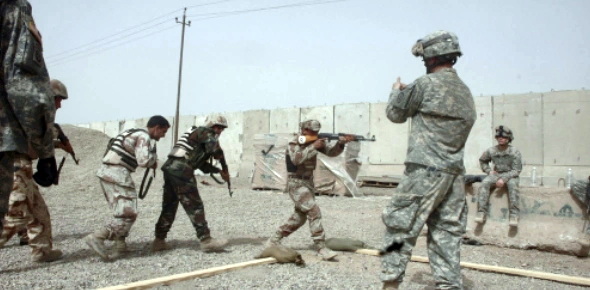
Yes, during my deployments to both Operation Iraqi Freedom (OIF) and Operation Enduring Freedom (OEF), there were moments when I truly believed I might not survive. One instance that stands out from OIF was when our convoy was traveling a route known for IEDs. About halfway through, we were hit by a roadside bomb. The blast shook our vehicle violently, filling the air with dust and smoke. For a split second, everything felt like it slowed down—I couldn’t hear anything but ringing in my ears and didn’t know who was hurt or if another attack was coming. Thankfully, our training and the quick actions of my team kept the situation from becoming worse, and we were able to make it out with our lives. But that day left a mark on me, reminding me how quickly things can change.
In OEF, I had another close call during a mortar attack on our forward operating base. We were caught completely off-guard; alarms sounded, but the rounds were already incoming. I remember diving for cover behind a barrier, feeling the concussions of explosions close enough to make my chest tighten. In that moment, I truly thought it was the end. When the attack stopped, we emerged to check on each other—shaken but alive. That experience reinforced how fragile life is and how much you rely on the people around you in those moments.
Both situations changed me forever. They deepened my respect for life, strengthened my bond with my fellow soldiers, and made me more determined than ever to live a life worthy of the friends we lost who didn’t make it home.
Of all your duty stations or assignments, which one do you have the fondest memories of and why? Which was your least favorite?
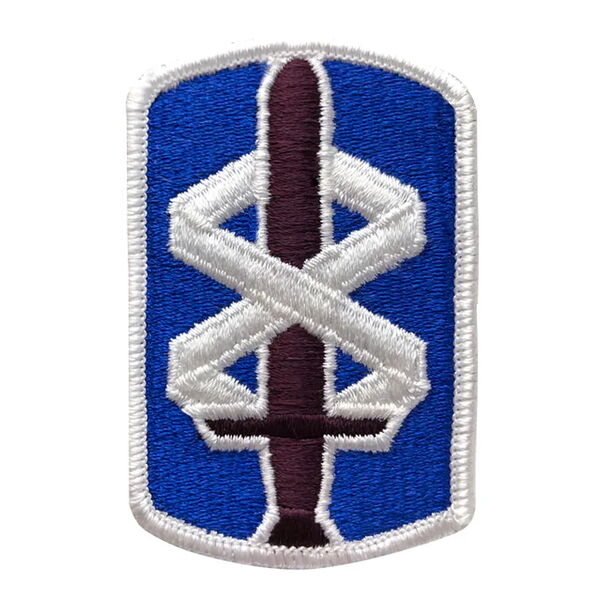
Of all my duty stations during my 20 years of service, Hawaii stands out as the one I have the fondest memories of. It wasn’t just the beautiful scenery or laid-back island life — it was what that time meant for my marriage and personal growth. Being stationed there allowed my spouse and me to truly reconnect and grow even closer. We shared experiences that brought us peace, balance, and a deeper understanding of each other. In fact, we renewed our vows while living there, celebrating 20 years of marriage — a moment that symbolized not only our love, but the strength we had built together through all the ups and downs of military life. That time in Hawaii helped shape the strong, lasting relationship we continue to cherish, now going strong for over 30 years.”
“In contrast, my least favorite duty station was Fort Lee, Virginia. Ironically, it was close to family — and I had high hopes that being nearby would mean stronger connections and more visits. But the reality was quite different. Despite the physical proximity, the emotional support I expected wasn’t there. Family didn’t visit, and it became clear that closeness in distance doesn’t always equal closeness in relationship. It was a tough realization, but one that helped me better understand the value of true support systems — the people who show up for you, no matter where you are. It made me even more grateful for my spouse and the military family I found along the way.
From your entire military service, describe any memories you still reflect on to this day.
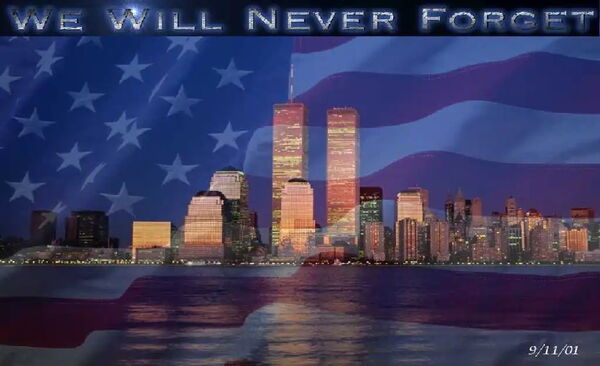
One of the most powerful memories I carry with me from my entire military career is the moment I arrived at Fort Riley, Kansas — just after 9/11 — and was assigned to 4th Battalion, 1st Field Artillery, SVC Battery. The nation was still reeling, emotions were raw, and war was no longer a distant concept — it was real, it was coming, and we all knew it.
When I stepped into the cook section, there were 17 of us — all junior enlisted, E4 and below — and one E7 in charge. At first glance, we were just a group of young men thrown together by circumstance. But what we became was something far more rare and unbreakable: a family forged by fire. That E7, our leader, wasn’t just giving out orders — he was mentoring us, holding us together, and preparing us for what lay ahead. Under his leadership, we didn’t just function — we thrived. We had each other’s backs in a way that only those who’ve served together in uniform can truly understand.
When we deployed, we went as one. There was no division, no doubt — just unity, trust, and brotherhood. We ate together, worked together, laughed together, and carried each other through the darkest and most uncertain days. We weren’t just feeding the fight — we were part of it, holding the line in our own way, knowing that every plate we served gave strength to those heading into danger. And we did it with pride, with heart, and with the unshakable knowledge that we could count on one another no matter what.
Even now, years later, we may not speak often — life moves fast, and we’re scattered across the country. But that bond? It hasn’t gone anywhere. It’s still there, just beneath the surface, ready to snap back into place at a moment’s notice. If one of us called today — no questions asked, we’d show up. That’s the kind of connection that time can’t touch.
That chapter of my life — 4/1 FA, SVC Battery, post-9/11, surrounded by brothers who became more than friends — is something I carry with me every single day. It taught me loyalty, resilience, leadership, and what it truly means to belong to something greater than yourself. That wasn’t just a duty station. That was a defining moment in my life.
What professional achievements are you most proud of from your military career?
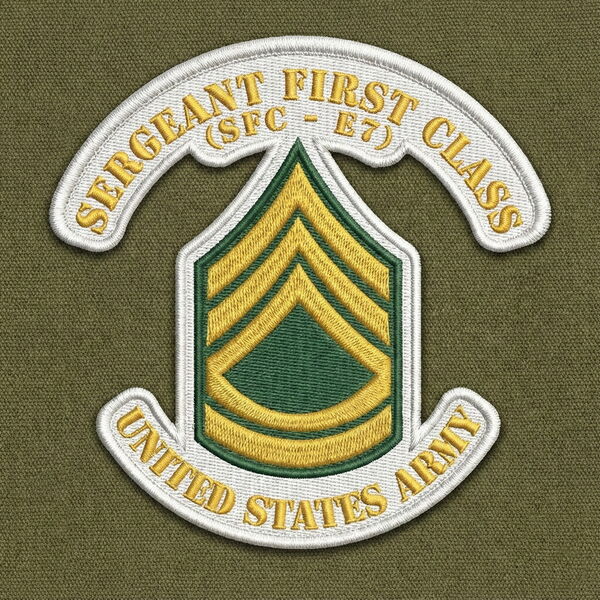
One of the professional achievements I’m most proud of from my military career is earning the rank of E7 (Sergeant First Class). Reaching this level represented not only a recognition of my dedication and hard work but also the trust and responsibility placed in me as a leader. Achieving E7 meant I was entrusted with guiding and shaping the next generation of soldiers, which is something I took very seriously.
Mentoring Soldiers throughout my career stands out as a deeply rewarding accomplishment. Helping young soldiers develop their skills, overcome challenges, and grow both professionally and personally gave my service a greater purpose. Watching them succeed and knowing I played a part in their journey was incredibly fulfilling.
Beyond my personal achievements, being able to foster a positive, disciplined, and motivated team environment where Soldiers felt valued and supported remains one of the proudest aspects of my military career. To me, leadership isn’t just about rank — it’s about inspiring others to be their best and preparing them for success in the Army and beyond.
Of all the medals, awards, formal presentations, and qualification badges you received, or other memorabilia, which one is the most meaningful to you and why?
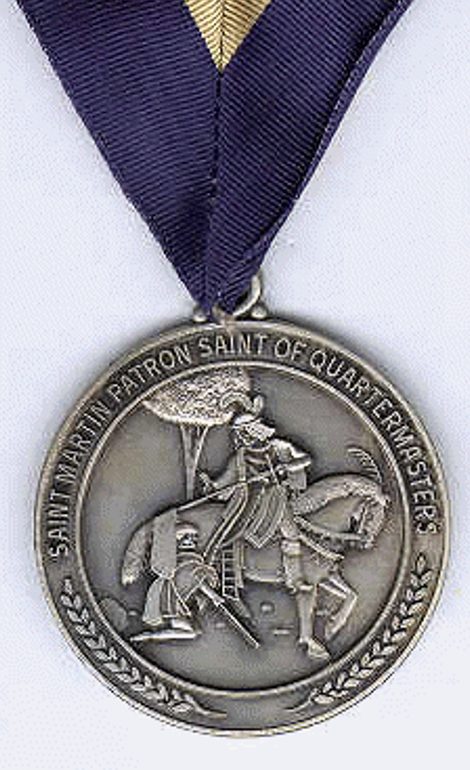
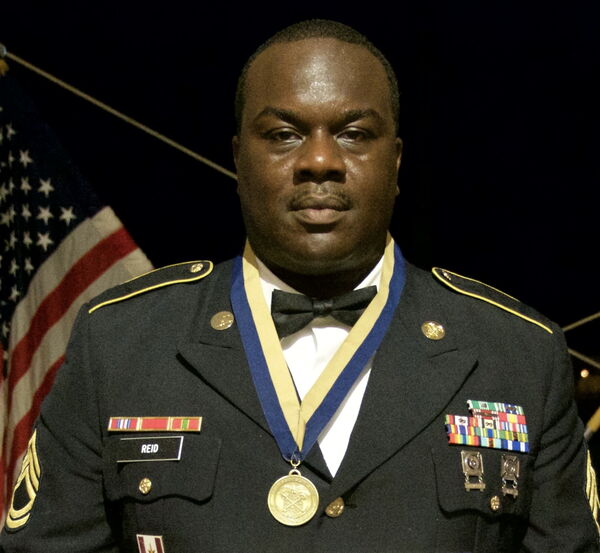
Of all the medals, awards, and badges I received during my military career, the Order of Saint Martin holds the most profound meaning for me. This award, which recognizes outstanding achievement in the field of logistics and sustainment, goes far beyond a simple decoration—it embodies the heart of what I stood for throughout my service.
As a cook, my role was often behind the scenes, but critical to the mission. The success of every operation depends not just on frontline action but on the reliability and excellence of those who provide the essential support—whether it’s ensuring soldiers are well-fed, equipped, or supplied. Receiving the Order of Saint Martin was a powerful validation of that often unseen work, a recognition that sustainment is truly a backbone of the Army.
More importantly, this award reminded me of the responsibility I carried every day: to lead with integrity, to care for the soldiers under my charge, and to uphold standards of excellence no matter the circumstances. It symbolized the countless hours spent perfecting our work, the teamwork, and the resilience required to keep operations moving forward despite challenges.
The Order of Saint Martin also connected me to a legacy—a long line of logistics professionals who quietly ensure that soldiers can carry out their missions. It made me proud to be part of something bigger than myself, something essential to our national security. This award is not just about personal achievement; it’s about honoring the commitment to service, leadership, and the silent strength that sustenance provides.
Every time I reflect on this medal, I am reminded that no role is too small, and that true leadership means recognizing the importance of every piece of the mission. It’s a symbol of perseverance, dedication, and the pride I have in having served alongside those who make the mission possible, day in and day out.
Which individual(s) from your time in the military stands out as having the most positive impact on you and why?
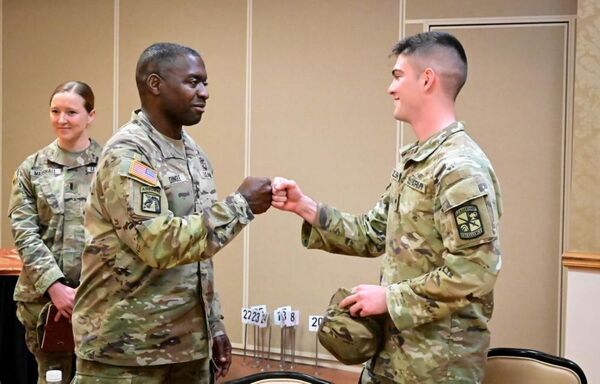
Throughout my military career, a few individuals left an indelible mark on me, shaping not only how I approached my duties but also how I grew as a person and leader. Two stand out most clearly: SPC McCoy and SFC Howard.
SPC McCoy was the very first person I encountered when I arrived at my new unit, and that initial interaction set the tone for my entire experience there. From the start, McCoy demonstrated a level of professionalism and genuine kindness that immediately put me at ease. In a time of transition and uncertainty, his readiness to assist, his positive attitude, and his unwavering dependability showed me what it truly meant to be a soldier and a teammate. He led by example without needing rank or title to command respect. McCoy’s approach to teamwork and commitment helped me understand the importance of lifting others up and creating a supportive environment—lessons that stayed with me throughout my career and into my life after service.
On the other hand, SFC Howard’s impact was complex but equally significant. During our time together, he was a competent leader who imparted valuable knowledge and skills that helped shape my understanding of leadership and responsibility. However, his personal struggles, which later led to difficulties after his military service, were a stark reminder of how crucial it is to balance one’s personal life with professional obligations. Watching someone with so much potential face challenges because of personal issues was a tough but important lesson. It made me more aware of the pressures soldiers face, both on and off duty, and reinforced my commitment to making choices that uphold integrity and accountability.
Together, these two men influenced me in very different ways—SPC McCoy through his unwavering positivity and dependability, and SFC Howard through the sobering reality that personal struggles can deeply affect even the strongest soldiers. Their stories taught me not only what leadership and loyalty look like but also the importance of resilience, self-awareness, and the need for support systems within the military family. They remain a part of my journey and helped shape the soldier and leader I became.
What profession did you follow after your military service and what are you doing now? If you are currently serving, what is your present occupational specialty?
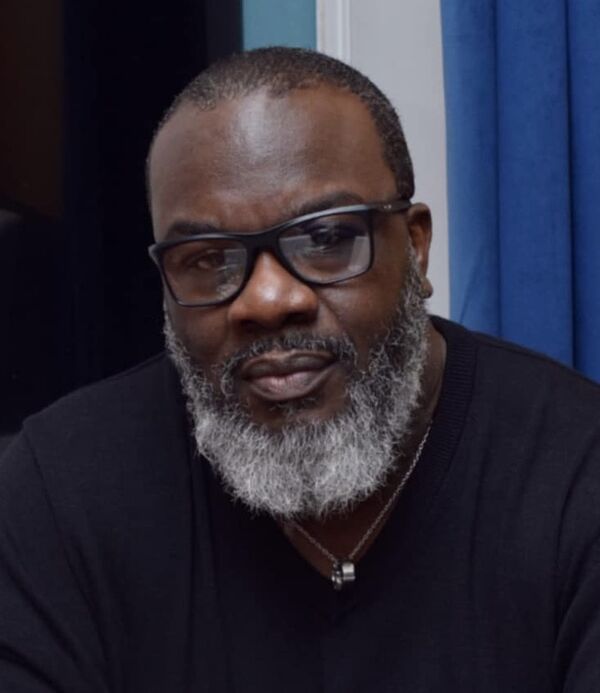
After retiring from the Army following 20 years of service, I transitioned into the cybersecurity field—a profession that had long inspired me during my military career. Although I started as a cook, my passion for technology and computers motivated me to pursue education and training in cybersecurity. This career shift allowed me to build on the discipline, problem-solving skills, and leadership I developed in the military, while working to protect organizations from cyber threats in today’s increasingly digital world.
Currently, I am actively working in cybersecurity, applying my knowledge and experience to safeguard critical information systems, identify vulnerabilities, and respond to potential cyber attacks. This role continues to challenge me and keeps me engaged in a fast-evolving field that is vital to national security and business operations alike.
What military associations are you a member of, if any? What specific benefits do you derive from your memberships?
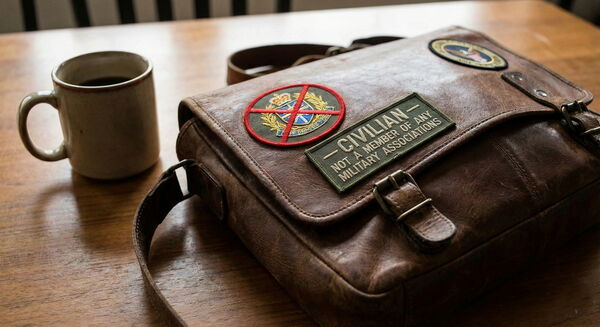
Currently, I am not a member of any military associations. However, I recognize the value these organizations offer in terms of camaraderie, networking, and support for veterans. I’m open to exploring memberships in the future to stay connected with fellow service members and access resources that can help with career development and personal growth.
In what ways has serving in the military influenced the way you have approached your life and your career? What do you miss most about your time in the service?
Serving in the military has profoundly influenced the way I approach both my life and career. The discipline, dedication, and sense of responsibility instilled during my 20 years of service became the foundation for everything I do. It taught me the importance of structure, perseverance through challenges, and maintaining a mission-focused mindset—even in the face of adversity. These lessons have guided me in my transition to a cybersecurity career, where attention to detail, teamwork, and resilience are just as critical.
Beyond skills, military service shaped my values: loyalty, integrity, and the commitment to something greater than myself. It taught me to lead by example, support those around me, and never lose sight of the bigger picture. These principles have been invaluable in both my professional and personal life.
What I miss most about my time in the service is the camaraderie—the deep bond with fellow soldiers who truly understood the sacrifices and challenges we faced together. That sense of brotherhood, knowing you had a team you could rely on in any situation, is something rare and irreplaceable. While civilian life offers its own rewards, the connection and shared purpose I experienced in uniform remain a cherished part of who I am.
Based on your own experiences, what advice would you give to those who have recently joined the Army?
Based on my 20 years of experience in the Army, I would advise those who have recently joined to embrace every opportunity to learn and grow—both personally and professionally. The Army will challenge you in ways you never expected, but those challenges are what build your character and resilience. Stay disciplined, stay focused, and remember that your attitude matters just as much as your skills.
Build strong relationships with your fellow soldiers—they will become your second family. The bonds you create during your service will carry you through tough times and provide support when you need it most. Also, don’t be afraid to seek mentorship and guidance from those who have been there before you. Their experience is invaluable.
Finally, never lose sight of your goals, both within the Army and beyond. Whether you want to make the military your career or transition into civilian life later, the skills and values you develop here will serve you well. Stay adaptable, keep pushing forward, and take pride in every step of your journey.
In what ways has TogetherWeServed.com helped you remember your military service and the friends you served with?
TogetherWeServed.com has been a valuable tool in helping me reconnect with my military past and the friends I served alongside. It allows me to preserve memories, honor our shared experiences, and stay connected with a community that understands the unique bond of military service.
PRESERVE YOUR OWN SERVICE MEMORIES!
Boot Camp, Units, Combat Operations
Join Togetherweserved.com to Create a Legacy of Your Service
U.S. Marine Corps, U.S. Navy, U.S. Air Force, U.S. Army, U.S. Coast Guard
SHARE:




0 Comments