


PRESERVING A MILITARY LEGACY FOR FUTURE GENERATIONS
The following Reflections represents Sgt Howard Johnson’s legacy of his military service from 1969 to 1973. If you are a Veteran, consider preserving a record of your own military service, including your memories and photographs, on Togetherweserved.com (TWS), the leading archive of living military history. The following Service Reflections is an easy-to-complete self-interview, located on your TWS Military Service Page, which enables you to remember key people and events from your military service and the impact they made on your life. Start recording your own Military Memories HERE.
Please describe who or what influenced your decision to join the Marine Corps.
One of my family members served with Washington in the Revolutionary War, John Cahoes. He was actually on a sortie to capture an English General. They had to cross from New York to New Jersey in a rowboat, crossing between English warships in the dark of night. Intel had it that the British general had a kept maiden at a local pub, and the Americans caught him with his pants down. His troops were encamped just down from the pub. They caught him in bed and hauled him back down to the bay before they let him put his pants on. Then they rowed back across the bay between the warships.
The captured English General was traded for a captive American general. Part of the trade was to get better treatment for American soldiers held captive on those British ships. Those ships were horrendous, and many American soldiers were lost. One relative served with the Minnesota Volunteers in the Civil War as a drummer boy. My maternal grandfather and paternal great Uncle served in WWI. My father and his brother fought in Germany in WWII. My maternal uncle died fighting in Sicily in WWII, clearing the way for Patton; he was an early version of paratroopers. A German machine gun wounded my father’s brother. My father was wounded, but he was running contraband for his officers at the time, so that was kept hush-hush. He recovered. One uncle served during the Korean War. My brother served in Vietnam with the Marine Corps, manning a motor. He now suffers greatly from the effects of Agent Orange. He also has PTSD. He is 100 % disabled. His brother-in-law was also a Marine who had been stationed in Cuba.
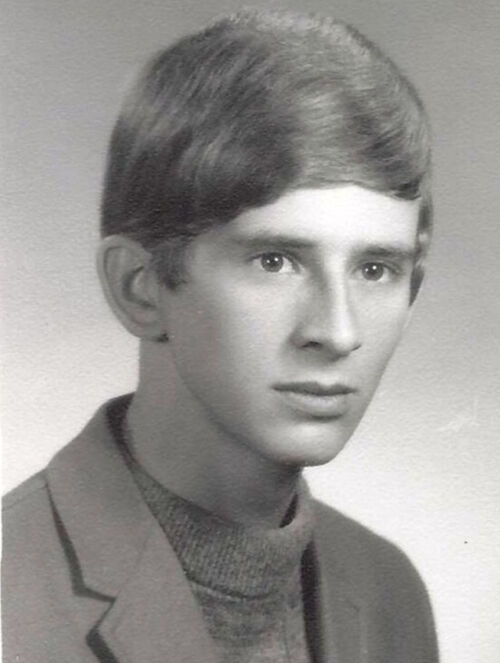
When a close friend of mine in my high school enlisted in the Marines in 1969, I decided I needed to go with him, thinking he needed to be looked after (I was dating his sister at the time). He was not athletic; instead, he played in a band and was not muscular. I was a football player, ran track, and worked out, so I thought it would be best if we went into the Marines on the buddy plan. The recruiters liked my test scores and asked why I wasn’t going to college. My reply was that I had no money. So they pushed me to go for more training, so I went in for the air wing with a guaranteed billet. That tacked on two more years in the Corps. That guarantee didn’t go as well as it could have. MSG Livingston told me that the guarantee did not have to be met until my last day of enlistment. But he did get me into the wing as he liked my work ethic. I grew up listening to Dad’s Military stories, and it just seemed natural to continue with the tradition of serving. The Marines had the best uniforms and looked like they could take care of business, so that is where I chose to enlist. By the way, my buddy was in Nam and was exposed to Agent Orange. He died while working with the San Bernardino Sheriff’s Department undercover. It was Multiple Myeloma that took his life and is heavily associated with Agent Orange. During my practice, I had many other American servicemen who struggled with service-connected disabilities. God, the pain and anguish some of them carried.
Whether you were in the service for several years or as a career, please describe the direction or path you took. Where did you go to boot camp, and what units, bases, ships, or squadrons were you assigned to? What was your reason for leaving?
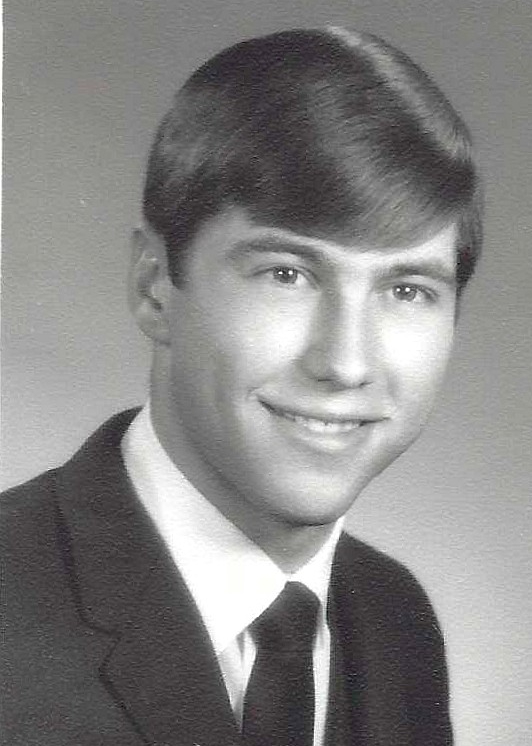
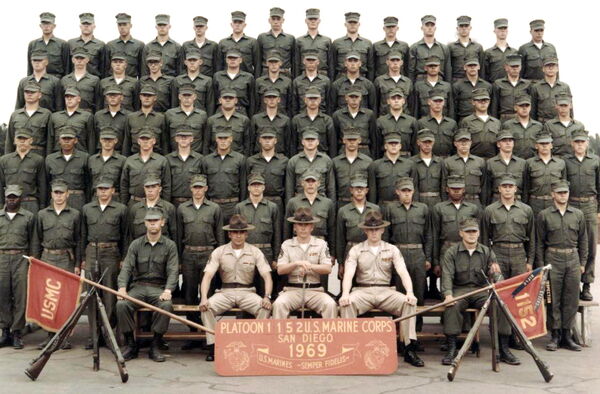
I was also looking to get away from small-town USA, and my best bet was to enlist and, if I made it through, use the GI Bill for college. I was sent to MCRD San Diego. Plt. 1152. After finishing boot camp, I had hoped to go to Memphis to be in the wing. But when I was assigned to Electronics school, I would be staying at MCRD San Diego. I was devastated, thinking it would be like boot camp again. Eventually, I realized it was a great gig, and this education gave me a shot at a profession post-Marine Corps. While in Basic Electronics, I saw a blurb on becoming an officer. I put my name in the hat, and after several interviews, I made it to Base Commander, and he also approved my application. I was then recommended to Bain Bridge, Maryland, which is a prep school for Annapolis. I thought that if I could make it as an officer, I would make it a career. But after requalifying with the M16 just before shipping out to Bain Bridge, I returned to the Schools Battalion and was told to report to sick bay. I was told there that my eyesight was not good enough to attend Annapolis. So I was given a set of glasses and could barely find my way back to the barracks. I threw them away. I was told later by a Marine Major that someone else was given my billet, probably a congressman’s son. My eyes really weren’t bad as I shot expertly without glasses. So I went back to the electronics school’s Battalion. Then my mindset was just to stay out of trouble and make the most of my enlistment. The GI Bill would help me pay for college, which became my goal. I was with the Schools Battalion when it was moved to 29 Palms. Southern California had an earthquake the night before the move, and our trip to 29 Stumps was very circuitous because of downed overpasses, buckled roads, and damaged buildings. At 29 Palms, I was designated instructor for basic electronics. It was fun at first, but the isolation and sand got to me. I had met a staff sergeant who was in charge of orders, so I had him put me in for orders to anywhere else in the Corps. First try damned near got me court martialed, second try got me transferred.
I landed on Okinawa in 1972. I was assigned to MACS4 in Futenma. The air strip handled helicopters, sub chasers, and some C-130s. Here I was billeted in a hotel rather than a Quonset hut. Ran into some friends from the Electronics Battalion while there. It was those guys who got me into Karate and scuba diving. My brother told me not to make friends in the Corps as they would probably die in combat. But these friends changed my mind, and now I have friends who are still friends 55 years later. We toured the Island, taking pictures, snorkeling, diving, and saw the famous suicide cliffs. I had great experiences on Oki—comments on that to follow. I was sent back to Pendleton to finish my enlistment in January 1973. Before I was mustered out, I applied to be a cop in San Diego, but they weren’t interviewing until December, and I was mustered out in August. My cousin’s husband was an iron worker in Southern California, and he took me on a construction site to see what that was like, and my back said no way. I left the Corps in August 1973 to go to college back in Minnesota. It was time to use the GI bill. I guess after missing out on Annapolis, I didn’t have a reason to stay in. Most of my close friends had already left and were in college. My high school friends were already graduating from college.
I had learned to survive in the Corps, and Civilian college life was a breeze. I missed the Marine Corps, though. It was hard to relate to college kids at first. Some of the college professors were idiots, but a few liked the fact that I had served in the Marines and were very encouraging to me. I have kept up with a few of my Marine brothers over the years, and now, I cherish those friendships. I have visited MCRD San Diego and Pendleton on occasion. Marine Graduation Parades are phenomenal. Pride wells up while watching the new Marines graduate. When my daughters were young, they would get mad at the DIs for yelling at their troops. No matter what I said, they couldn’t understand that the DIs were just doing their job.
To this day, I wonder, what if I had stayed in?
If you participated in any military operations, including combat, humanitarian, and peacekeeping operations, please describe those that made a lasting impact on you and, if life-changing, in what way?
I was never in combat. But as Sergeant of the Guard on Okinawa, I had many confrontations that I won’t forget, like being Sergeant of the Guard during a typhoon. Water built up on the flight deck, so operations were suspended. We actually played football on the runway in knee-deep water. We were soaked no matter what we wore. Windshields were down on the jeeps, so we got the full effect of the storm while on duty. I had one sentry that I found asleep on his bunk. I took his shotgun and 45 and waited for him to wake up. He was a Canadian transplant, and he was mad. He wanted to fight until I told him he could be going to the brig in the morning, which deflated his bravado. This same Marine ran over an elderly Okinawan woman and killed her. He was court martialed and wasn’t seen again. Another night, a sentry came in and reported that someone was in the warehouse at 0100 hours. I sent the sentry to the back of the building, and I went to the front. We had been having issues with the locals breaking in and stealing supplies. I saw a flashlight in one section, and I slipped up behind him. He froze when he felt the 45 touch his skull. Turned out it was the supply sergeant. To say the least, I chewed him a new backside.
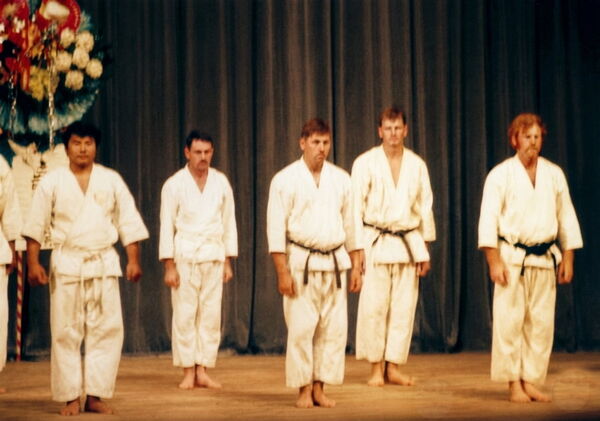
Being in Karate on the Island was also a challenge and gave me a new sense of confidence that built on what the Corps had instilled in me. Sparring with students more advanced than me was quite a lesson in self-preservation. I had only been in Karate class for 2 weeks and was told to go to the main dojo in Futenma to spar with other students. My bad luck, I kicked the head sensei’s grandson in the crotch. Two weeks later, I was told to go back there to spar again. Well, my opponent was an Okinawan in his late twenties, and the so-called white belt he wore was in tatters. That was my first clue that I was set up. Well, I had gained some skill by then and went toe to toe with this guy. Turned out he was a second-degree brown belt. He had trained for years by that point. He became enraged when I kicked him out of the ring. I smiled at him, thinking what John Wayne would do, and that was gas on the fire. I ended up losing the match by one point, and my sensei was very happy with the outcome. The corp does give you some hand-to-hand fighting skills. Later, when going for my Black Belt, we had listened to the “Thrilla from Manila” the night before. On the day of the test, they assigned me to fight my sparring partner, Mike Dunn. I guess they didn’t want the Marines hurting any more of the Okinawan students. Hell, he knew all my moves, so what could I do to win my match? Well, “float like a butterfly and sting like a bee” came to mind. ( I am not kidding, both of these episodes are 100% true). So I did the Mahomed shuffle, scored, and kept scoring. I got my Black Belt. Mike was pissed at me for years.
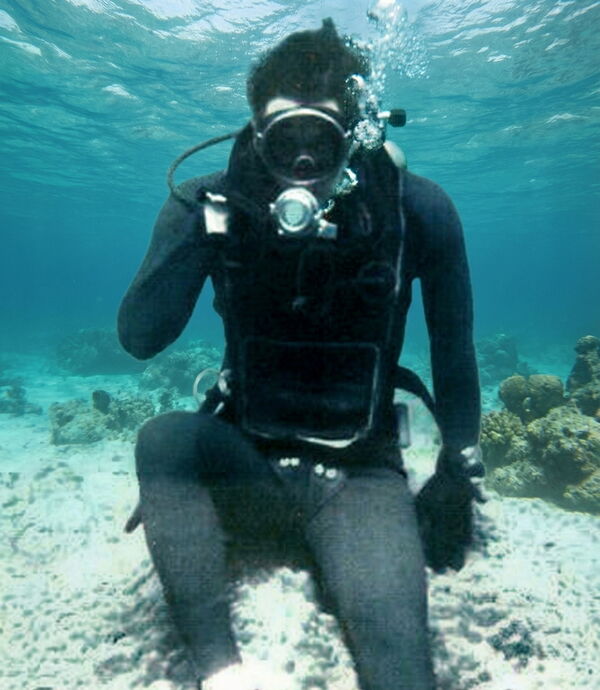
Scuba diving in Okinawa was also a challenge. There were so many ways to get into trouble doing scuba. For example, I nearly drowned in a lobster cave when my equipment caught on coral. Life does pass before your eyes when you realize the situation you are in. I remembered seeing a female dancer at a bar in Naha, and she was able to move her abdomen like a snake, and that hit me as I floated in that cave. So I did what she did and was able to break free. No, I didn’t drown that day. Another close call, I was pulled out to sea by the tide as Mike Dunn and I descended to 120 feet off Nimbo beach (I believe it is the correct spelling). It took us 4 hours of swimming to get back onto land. Several local fishermen went by us without offering help during that swim. More on that later.
Another experience: I found a student diver going through the open-water portion of his diving certification. He was in the process of drowning when we found him. My dive partner and I saved him by inflating his flotation device and then parking him on a nearby reef. We had earlier told the dive instructor to kick this Lieutenant out of the Dive class, as he just didn’t have what it takes to dive. We then approached the Captain, who was leading the open water class, and it was the same instructor we told to drop this diver from class. We pointed out to the Captain that he had lost one of his class members. Thankfully, the Captain would not have recognized us with our dive masks on, so we got away with chewing the Captain out for losing track of one of his divers. We made him go back and deal with the waterlogged Lieutenant.
All of these experiences help you mature. These experiences are not like those of a combat Marine by any means, but they do put hair on your chest. I should add that some of the karate fights I had also became pretty intense, leaving some lasting physical effects. A year on Okinawa was a growing experience. My confidence grew and served me well later in life. I think of when I was testifying in the courtroom. I always supported my injured patients, although I hated being in court. The opposing attorneys always try to break you down when you are on the stand because it makes them look good to the jury and weakens your testimony, but they couldn’t break me. I had survived four years in the Corps, and these attorneys didn’t compare to what I had been through. I would actually smile while on the stand to get their goat. The DIs couldn’t break me, so these self-important suits couldn’t do it either. Usually, if you could make the opposing attorney mad at you, you were sure to win the case. One attorney had only lost 4 cases in her entire career. One was against me. My attorney, Fred Soucie, would just sit back and let me go. By the way, he was a boxer for the U of Minnesota and liked the fact that I was a Marine, a fighter who wouldn’t back down. I think you get the point. No attorney I met in court was tougher than any Marine DI. Thanks to the Corps, my patients benefited greatly from what I had become.
Did you encounter any situation during your military service when you believed there was a possibility you might not survive? If so, please describe what happened and what was the outcome.
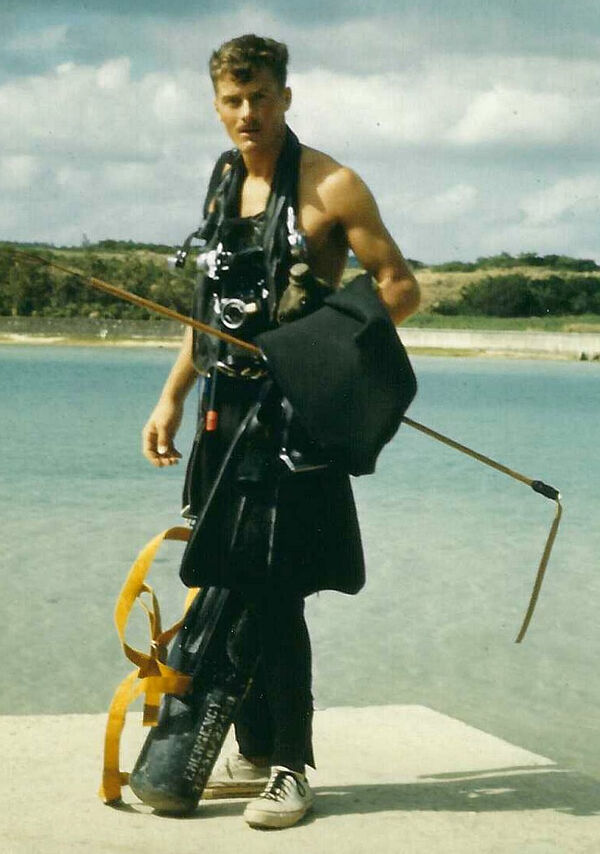
Almost drowning in a lobster cave on Okinawa was close to dying. I was low on air when I could finally break loose from the coral that I was hung up on and made it to the surface. I lost my lunch, developed vertigo while down, and struggled to find the surface. Some never survive when vertigo hits during a dive. Getting swept out to sea while scuba diving was something you never forget. I ran out of air just before making the surface after being down 120 feet, just as I started to breathe seawater. I couldn’t draw any air from my tank, and my lungs were ready to burst. But I hit air just as I hit surface. The shock hit when there was no land in sight when we surfaced. You feel panic when you don’t know which way is the right direction. You fight the panic and go into survival mode. By riding the ocean swells, I eventually saw a sliver of land on the horizon, and the two of us set out in that direction. We didn’t have great odds with us, but we didn’t quit swimming. It never crossed our minds to stop. I felt total exhaustion when we hit the beach just before dark. My dive partner and I didn’t talk about that incident for many years. We merely accepted the fact that we were still alive.
After boot camp, a few of us made a weekend trip to Tijuana. We ended up taking a wrong turn, ending up in an alley where the locals pulled knives on us. We managed to make an end run around a taxi before they could block our exit, and we were not injured.
We were always reminded that if we were injured or died while off base, we could be court martialed for damaging government property. That is what we were!
Of all your duty stations or assignments, which one do you have fondest memories of and why? Which was your least favorite?
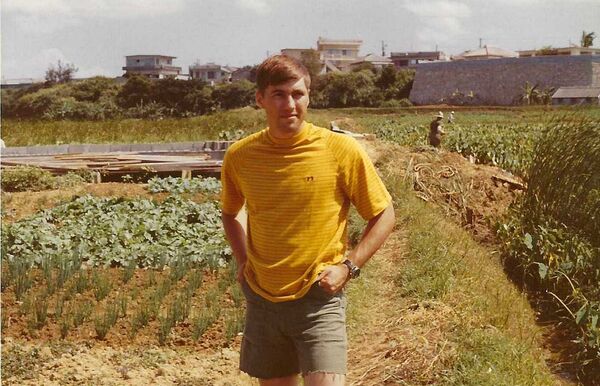
Okinawa was the best base to be on. There was always an adventure, and no two days were the same. One night, we were at the EM club, and a fight started over the music playing on the jukebox. The OD showed up with my friend Charlie Macalic, who was the Sergeant of the Guard. Someone grabbed the OD’s service pistol, and a shot rang out. The EM club emptied in a matter of seconds. No one was wounded. That story is still good for a laugh.
The worst base was 29 Palms because of the heat, the sand, and the lack of entertainment. Somehow, we always made the most of life, so I didn’t totally hate 29 Stumps. By the way, there was a Sicilian pizza place in town that was the best. Hiking into Palm Springs in the middle of the day in summer, when your car breaks down, the rattlesnakes at 29 Stumps were not much fun either, so not the best base.
Returning to MCRD, San Diego, after many years, all of the bad memories of boot camp were gone. Pride took its place as I watched the newly minted Marines march on the parade deck, passing in review. The Marine band played, and hearing the DIs bark orders made me feel 10 feet tall. Diego was great, but I was always nervous around the DI’s. Okinawa was never dull. Scuba diving, martial arts, the nightlife, and exploring the island were awesome. We called Oki the poor man’s Hawaii. This is where my greatest Marine friends were made. I had so many great experiences in such a short period of time. I have never matched that.
From your entire military service, describe any memories you still reflect on to this day.
OMG, I think back to so many of those memories frequently. Being in the courtroom testifying for injured patients, so many attorneys try to break you down on the stand, and I fall back on everything that made me a Marine, and I know they can’t break me. It is like having a bulletproof vest on while on the stand. The opposing attorney will often go ballistic when they can’t break you. That is usually when you win the case. When you look at the jury and address them, they feel your confidence, which I feel I gained as a Marine. Towards the end of boot camp, while marching back to our Quonset huts one night, everything clicked in a way that the DIs had worked so hard for. We all felt it in our souls. We also felt the same pride during our graduation parade. I often think of Karate on Oki as well as Scuba diving there. The friends I made in the Marines are closer to me than any friend I have ever known. I feel I can depend on them to back me in any situation, even to this day. Oh, the stories that fly when we get together, our wives just shake their heads. We try to get together every other year now, but each reunion is like we had just been together a few days before.
What professional achievements are you most proud of from your military career?
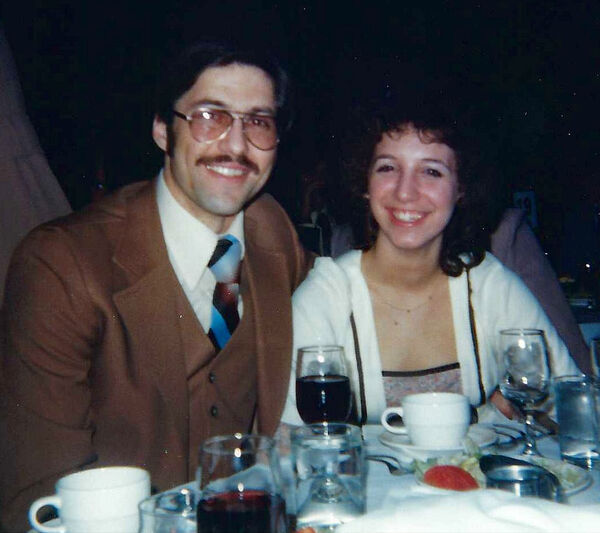
Getting my Sergeant’s stripes and being an electronics instructor at 29 Palms, and having an honorable discharge from the Marine Corps. So many times, I flaunt that when I am asked what sets me apart from others. I have served on several different boards of Directors. Being a Marine has been one of my assets during my application to those boards. That is one of my first accomplishments that I mention when testifying in court. This may not be considered an achievement, but the lifelong Marine friends I have are what I am also so proud of. I said earlier in this document that my original short-term goal was to get the GI bill by going into the Marines. Well, that GI bill got me through college and then onto 4 years of Chiropractic college. I practiced for 46 years, helping so many people. All because of 4 short years in the Marine Corps.
Of all the medals, awards, formal presentations and qualification badges you received, or other memorabilia, which one is the most meaningful to you and why?
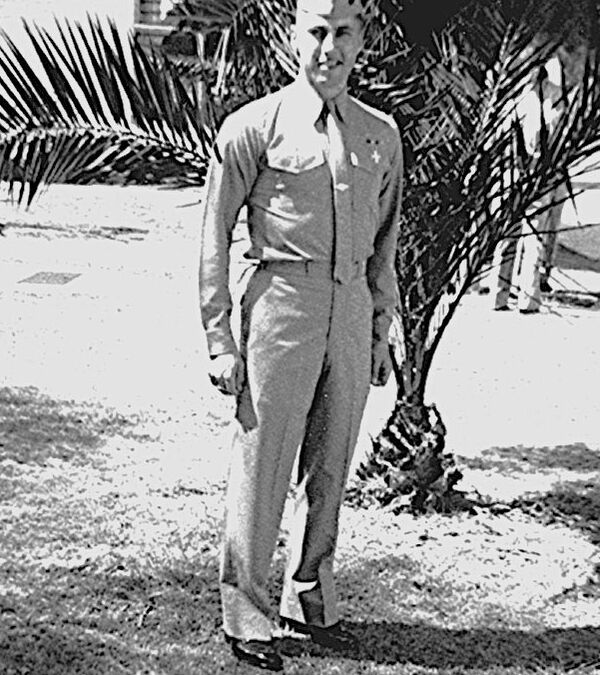
Being awarded the globe and anchor. Being a Marine was the beginning of many achievements in my life. My grandsons are so proud of their Marine Grandfather. Veterans Day is when they are so aware of that and so proud to show off their Marine Grandfather. Isn’t that worth all that you go through? My grandsons and I went to a traveling Vietnam Memorial. Some of my Marine friends were on that wall. They had displayed pictures of local servicemen who had paid the ultimate price, some of whom I knew personally. My middle grandson stated, “But you were a hero, weren’t you, Grandpa?” and my reply was no, those names on that memorial are the Heroes. He struggled with that. But stolen valor is not something to take lightly, not even when it is my grandsons.
Not as important, but a good achievement would be my black belt. My Marine background made that achievement easier; the confidence and the intense training were nothing new because of the Marines. Lastly, the Honorable Discharge was an incredible achievement. I have it on the wall of my office for all to see, and none of my high school friends or college friends have that. I don’t let them forget that fact.
Which individual(s) from your time in the military stand out as having the most positive impact on you and why?
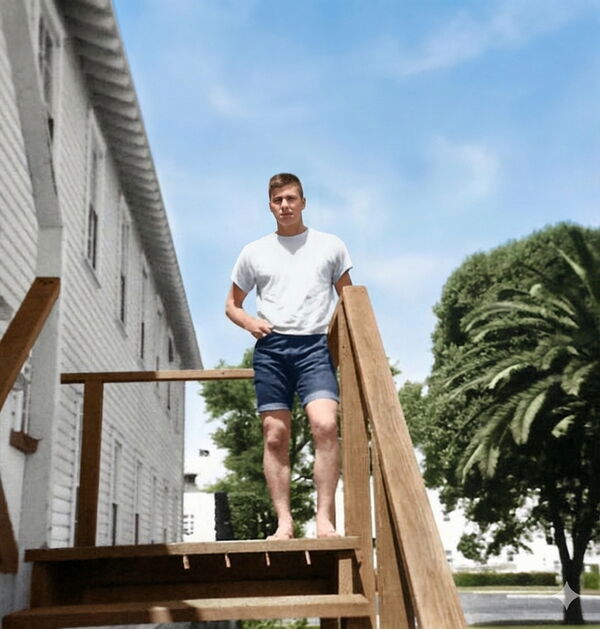
Master Sergeant Livingston of Schools Battalion, because he treated me with respect as a Lance Corporal. He had confidence in my decision-making. He always considered my opinion when working with my basic electronics classes. Next was Staff Sergeant Stafford; he was with me in Electronics school and then again while on Okinawa. He was always willing to discuss my concerns or issues. He was a calming personality, and he treated his subordinates fairly. Both of these Marines were influential in my promotions. Mutual respect is empowering.
List the names of old friends you served with, at which locations, and recount what you remember most about them. Indicate those you are already in touch with and those you would like to make contact with.
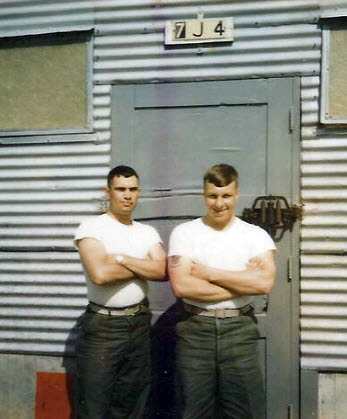
Mike Bair was also known as Private Aspirin in boot camp. We have been in touch via TWS and have met several times, although our first contact after boot camp was roughly 45 years after boot camp. What a blessing and inspiration he has been. Agent Orange has devastated him, yet he remains upbeat and always encouraging. I knew him immediately when he called me after 45 years. He became an Air Force Officer after his time in the Marines. Then a school teacher.
Mike Dunn in Dallas, Texas, was my cohort in Karate and Scuba diving while on Okinawa, and the one who probably caused most of my close calls with death. He is still great to spend time with and quite a gentleman. I was in the Schools Battalion and on Okinawa at MACS 4 with Dunn. I never mentioned this, but on the last day Dunn was on Okinawa, we went alpha male on each other in Karate class, and both of us ended up limping, bloody, and crippled. Neither of us won that match. But in a way, we became better friends. He worked at GTE and often had to assist the FBI and local law enforcement in monitoring questionable groups via phone taps. During that time, they had the first clues that we had sleeper cells in the US, well before 9-11.
Dan O’Reilly was on Okinawa with me and was the person who tracked me down and connected me with other Marines from MACS 4. He was from Alabama and truly was a rocket scientist after the Corps. He worked with every shuttle on takeoff and landing. Another Marine who made Okinawa fun. He has turned out to be a great friend after all these years. He earned multiple black belt degrees in civilian life.
Charlie Macalic was also in the school’s Battalion and on Okinawa with me—one tough Texan. We have gotten together many times over the years. He went on to the Marine reserves and then the Army reserve, where he was called back to active duty with the Army because his reserve unit outshot and outscored the regular Army during active drills in Idaho in the 80s. He went on to train thousands of army tankers in Texas. He also initiated training troops with laser weapons before moving on to live ammo. He did this with M16s, machine guns, mounted machine guns, and tanks. He has been recognized many times for improving the performance of the army tank personnel. He would constantly challenge my thought process and call me out if he thought I was professing some BS. He could tell some stories about Army life. The General covered his ass on many occasions.
I would love to be in touch with Master Sergeant Livingston and with Staff Sergeant Stafford. Both were a big part of the Electronic Schools Battalion. Both were positive experiences and positive influences for me as a Marine.
Can you recount a particular incident from your service, which may or may not have been funny at the time, but still makes you laugh?
Too many for just one: In boot camp, J.J. Clements fell asleep on his feet while we were in formation. At the time, we were waiting for the platoon to finish head call. Staff Sergeant Ornales told me to hit him as I was next to J.J. Well, my left hand isn’t strong or coordinated, so J.J. basically was merely slapped by me. The next instant, I am flying backward through the other rows of boots and land on my butt. SSGT. Ornales had hit me because of my ineffectual slap on J.J. I returned to my position in the formation and was told to hit J.J. again. This time, it was J.J. who went flying when I hit him. When J.J. returned to the formation, he apologized for getting me in trouble. I chuckle every time I think of it.
At 29 Palms, we had an IG coming. We were ordered to clean, paint, and fix up our billets. As Marines, we were taught to improvise. We had no brushes or supplies to accomplish our tasks. Well, one Jar Head went over the security fence at Schools Battalion at night and broke into Gunnys’ storage locker, and we then were able to obtain brushes. Another roommate went down to the supply depot, drove right in, and picked up five 5-gallon buckets of Marine green paint. Another drove to Victorville and rented a sprayer. There were no ladders, but that wasn’t an issue; we had bunk beds. We were almost done painting when the bunk bed collapsed. The Marine with the paint sprayer sprayed one of the other Jar heads, and the fight was on. It took till 0400 to clean up the mess. By 0800, we were in formation. The IG did stick his head in the door to our billet and then left. To say the least, what a letdown. But no one was court martialed. There are other stories, but I can’t tell them using this medium.
What profession did you follow after your military service, and what are you doing now? If you are currently serving, what is your present occupational specialty?
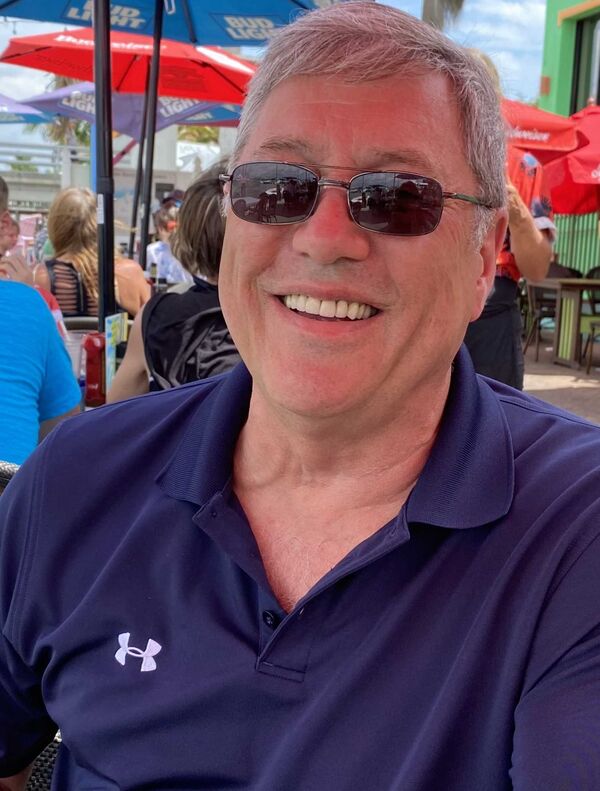
While at 29 Palms, my lower back flared up, and I had difficulty walking due to back spasms. I went to sick bay, and the Navy Doctor on duty that day threatened to have me written up for dereliction of duty. He did not do an exam. It was then that I realized that he was an idiot. After my discharge, I saw other Medical Doctors who had no clue how to treat low back pain or migraine, other than to throw drugs at you. While in college, a Chiropractor treated me for Migraine and low back pain with great success, with instant results. He convinced me I could also help others the same way.
That is what I did for 46 years. I eventually found that I could work with Medical Doctors, but had to make detailed referrals for my patients. Co-treatment was often better than me treating patients by myself. That cooperation was noticed, and mutual respect helped get me appointed to the board of directors of a large Chiropractic management group, and I served on that board for 20 years. I am now retired as a Chiropractor after 46 years. During my years of practice, I gained the trust of many medical specialists and general practitioners, which helped in getting appropriate care for my patients. Since retiring, my wife and I travel and often visit old Marine buddies.
What military associations are you a member of, if any? What specific benefits do you derive from your memberships?
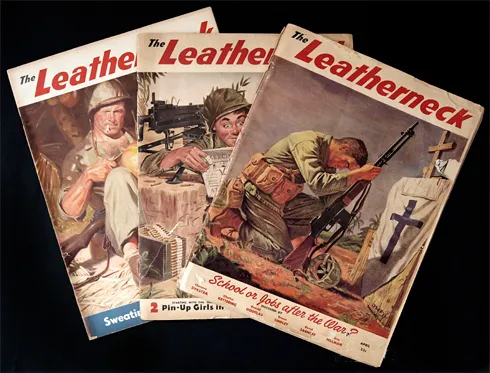
I belong to TWS. The benefit is connecting with other Marines, including one of my boot camp Drill Instructors. I get Leatherneck Magazine, which is an incredible magazine. Once read, I give them to the local VA Hospital. Being part of TWS and receiving Leatherneck Magazine lets me stay in touch with Marines and see what they are doing. TWS has helped me contact Marines that I served with. For that, I am forever grateful.
In what ways has serving in the military influenced the way you have approached your life and your career? What do you miss most about your time in the service?
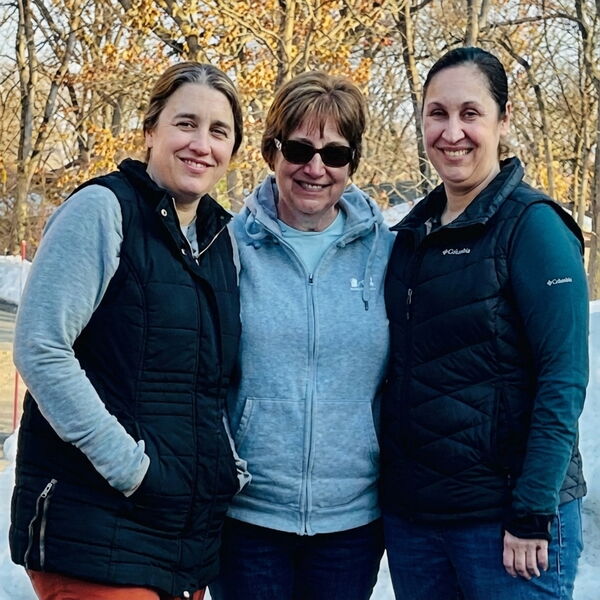
The discipline I gained from the Marines got me through college and again through chiropractic college, where the stress was incredible. The pride of being a Marine gave me strength in the courtroom when harangued by opposing attorneys. I guess I just never faced a challenge greater than the Corps. I continue to work out, which helps maintain my health. I don’t back down when confronted. That helped me get appointed to many Boards and boards of directors. My children did not like my disciplined lifestyle, but they do now as they raise their own families.
I miss the other Marines. I miss wearing the uniform. I miss the challenge. I miss the pride that I felt as a Marine. I don’t miss the poor wages. I also feel my confidence and demeanor helped me while serving on many of the professional boards I served on. I miss the esprit de corps.
There were times when I wondered where the next check would come from. But as I told my daughters, I would work 2 or 3 jobs to provide for them. I would sleep 3-4 hours so that I could schedule more work, so they would not want. I think that hit home eventually with my daughters. Heather is now a police officer in Minneapolis, Minnesota, and Ali is married to a police officer in Elk River, Minnesota. Ali works in Insurance. Both daughters also have their BS degrees. So Rhonda and I did something right.
Based on your own experiences, what advice would you give to those who have recently joined the Marine Corps?
Listen, pay attention, and learn as much as possible from every situation you are faced with. Always put your best effort into all that you do. It is the harder path to take, but the benefits will be tenfold. You can not know the future, but you will be better prepared for the future if you put effort into being the best Marine you can be. A more recent thought, read and study what other Marine heroes accomplished, and learn from them.
In what ways has TogetherWeServed.com helped you remember your military service and the friends you served with?
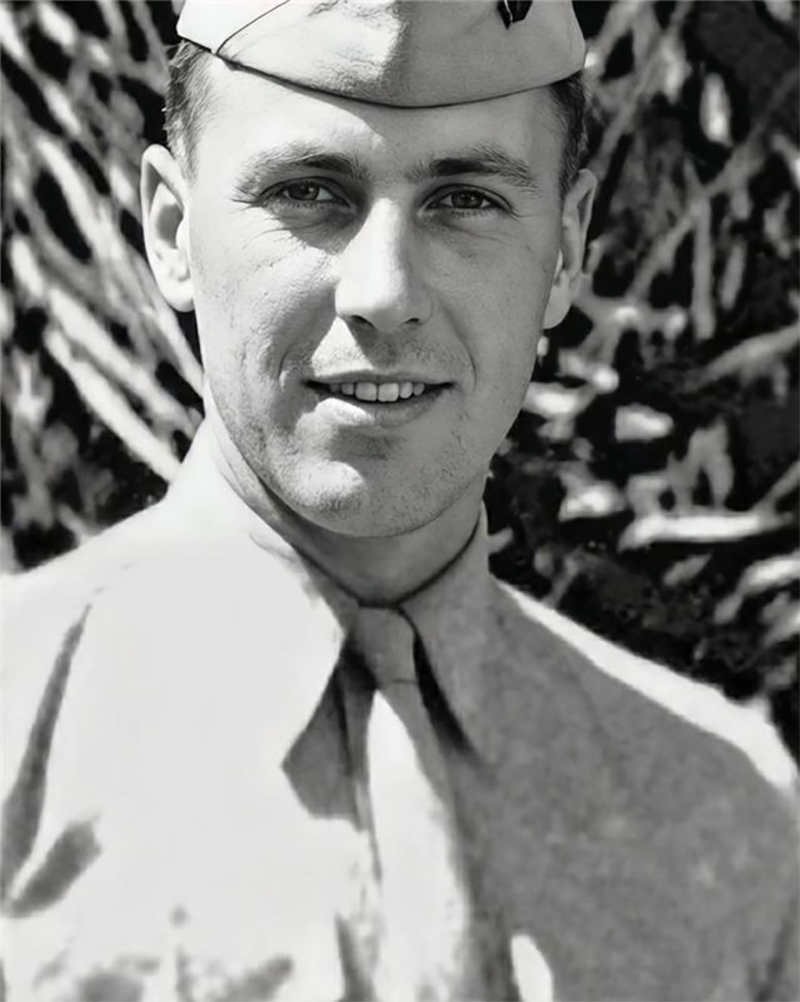
TWS put my name out there so other Marines can reach me. TWS has made me take the time to think about the questions in Service Reflections, bringing back many memories as they were meant to. It is hard to put some of this down in words. I never felt like a True Marine because I had never been in combat. Some of the forums have helped me deal with that doubt. I have enjoyed the forums, and I try to honor those who have passed by reading their obits.
There is nothing else like TWS, and TWS provides a unique connection to the past. Thank You.
PRESERVE YOUR OWN SERVICE MEMORIES!
Boot Camp, Units, Combat Operations
Join Togetherweserved.com to Create a Legacy of Your Service
U.S. Marine Corps, U.S. Navy, U.S. Air Force, U.S. Army, U.S. Coast Guard
SHARE:




0 Comments