

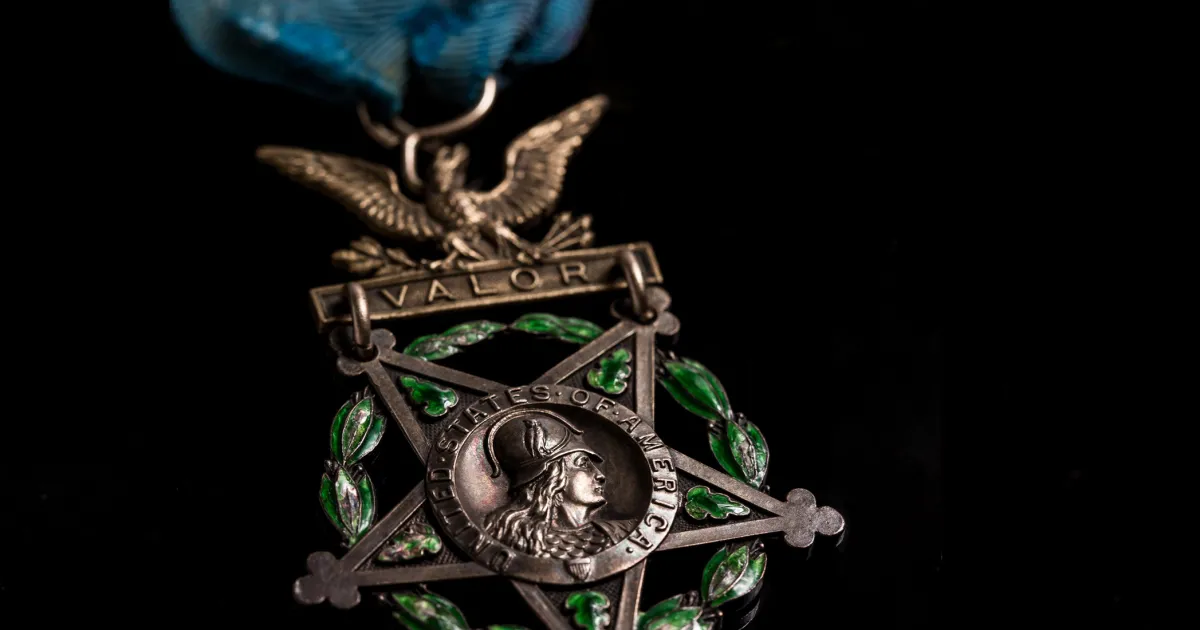
These days, to be considered for the Medal of Honor, a member of the U.S. armed forces has to have a pretty well-documented action of “conspicuous gallantry and intrepidity at the risk of life above and beyond the call of duty.” The action has to happen in combat, with incontestable evidence, usually involving eyewitness accounts.
Early Medal of Honor Stories Were Barely Recorded
But the earliest Medal of Honor stories weren’t as well-documented. They tend to be so short and so limited that we barely know anything about the conspicuous gallantry of the recipients, let alone the recipients themselves.
When the United States military was established, it didn’t have the kind of awards and decorations system we have in place today. Officers in the Revolutionary War were awarded special gold medals, but (with the exception of the three enlisted men who captured British spy John Andre), the only award for your average troop was the Badge of Military Merit, which later became the Purple Heart.

In the Quasi-War, the Barbary War, the War of 1812, and various Indian Wars, the U.S. had no medals to give. Soldiers in the Mexican War were given certificates for their service. The truth is that Americans associated decorations with European monarchies and aristocracy and deemed military decorations unfit for soldiers of a constitutional republic. That all changed during the Civil War.
Congress authorized “Medals of Honor” for the Union Navy in December 1861, and the Union Army in July 1862, and it quickly became the first truly enduring U.S. individual valor decoration in the modern sense. To celebrate the earliest recipients of America’s highest award for combat valor, here are a few incredible stories from the first Medals of Honor ever awarded.
Bernard J. D. Irwin’s First Medal of Honor Action
Irwin was an Irish immigrant who came to the United States, enlisted in the New York militia, and later became a surgeon and physician. Within 20 years of immigrating, he became an assistant surgeon in the U.S. Army. This was a very good thing for 2nd Lt. Nicholas Bascom.
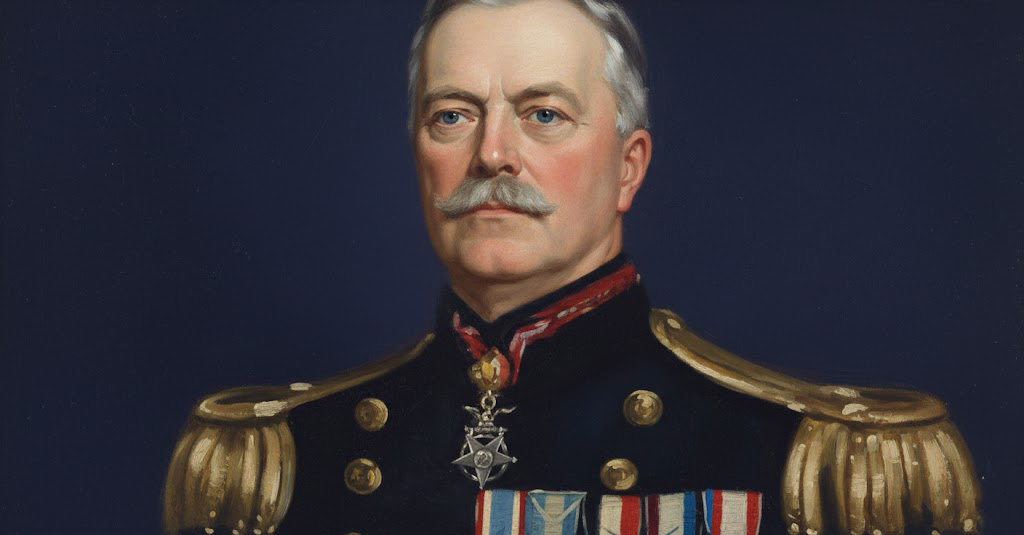
Bascom was leading the 7th Infantry against the Apache leader Cochise in the Arizona Territory in 1861, but the Apaches caught him and his 60 men by surprise. Hearing Bascom was under siege and outnumbered, Irwin led a rescue mission with just 14 men. The doctor surrounded the Apache party, tricking Cochise into thinking he was surrounded by a much larger force. The Natives broke and ran, and Bascom’s party was saved.
The Medal of Honor didn’t exist when Dr. Irwin led his relief column, but upon his retirement, he was awarded it after the fact, making his daring rescue the first Medal of Honor action.
John Davis Saved His Ship and Earned the Medal of Honor
Davis was a quarter gunner aboard the USS Valley City, a wood-hulled steamship and one of 13 gunboats in the Union North Atlantic Blockading Squadron. Their mission was to shut down the blockade-running ports in North Carolina. On February 10, 1862, the flotilla approached Elizabeth City, its four shore-based guns and a “mosquito fleet” of rebel gunships.
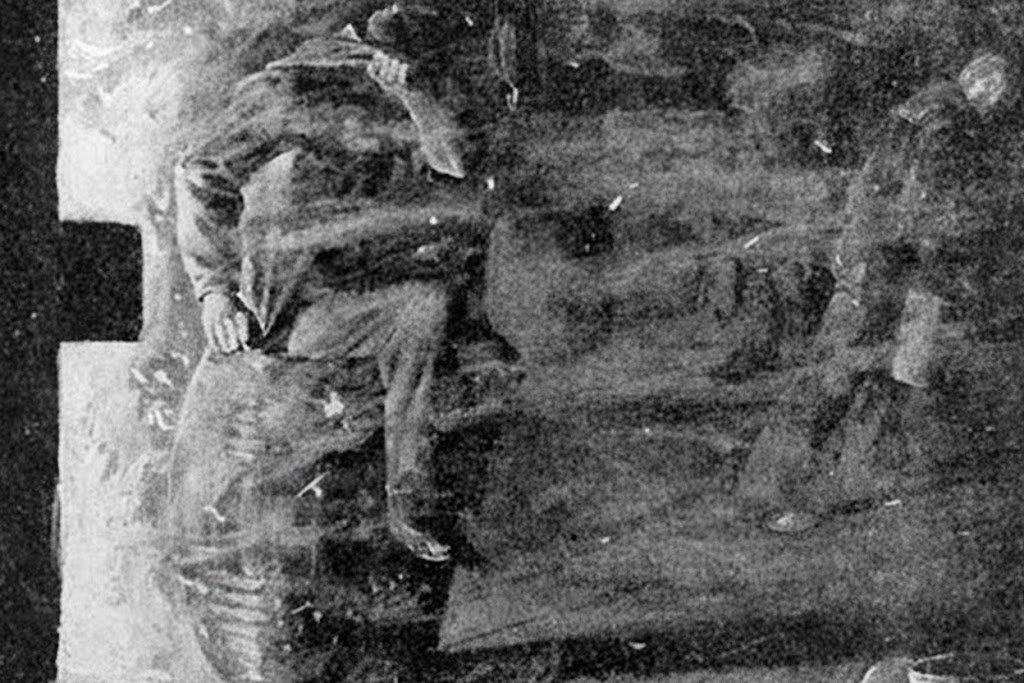
While taking fire from the shore batteries, an enemy round penetrated the hull of the Valley City and passed through the ship’s magazine, exploding and destroying powder division protection bulkheads. Still under fire, Davis threw himself onto a barrel of gunpowder to prevent the magazine from exploding while passing the powder to the ship’s gunners.
Joshua Chamberlain and the Medal of Honor
It was July 2, 1863, the second day of the Battle of Gettysburg. Chamberlain’s 20th Maine held the extreme left of the Union line on Little Round Top. After repeated Confederate attacks and low ammunition, Chamberlain ordered a downhill bayonet charge that swept the Confederate force back and stabilized the flank.
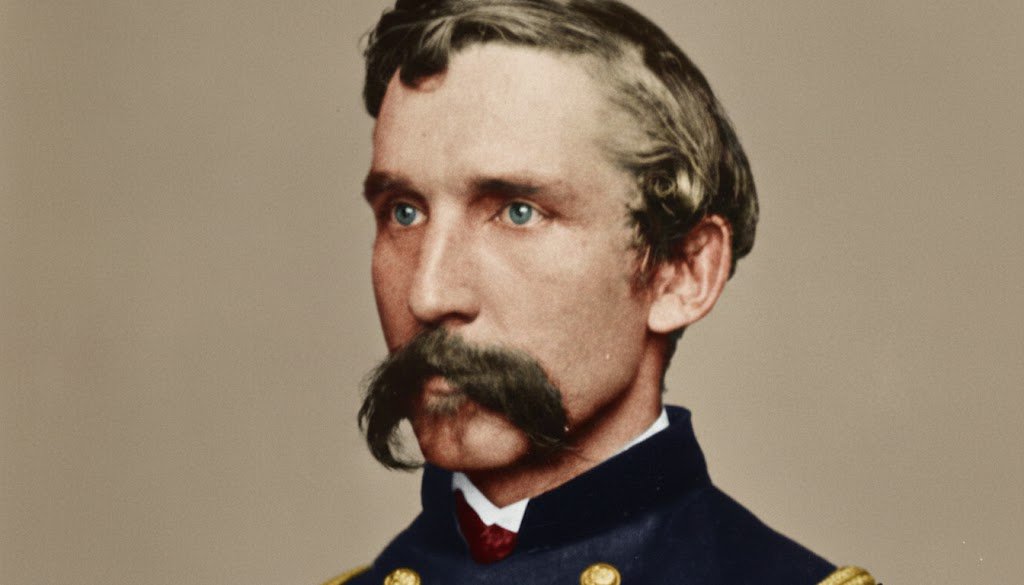
His Medal of Honor citation merely reads: “Daring heroism and great tenacity in holding his position on the Little Round Top against repeated assaults, and carrying the advance position on the Great Round Top.” This might literally be the understatement of the century. Holding Little Round Top prevented the rebels from moving artillery there, folding the Union flank, and winning the battle. A loss at Gettysburg might have prolonged the war—were it not for the 20th Maine’s cold steel.
Francis Brownell’s Early War Medal of Honor
Brownell received his Medal of Honor, the first Civil War action to merit the Medal of Honor, for avenging the first Union casualty of the war. It was May 23, 1861, the day Virginia seceded from the Union, that Brownell and Col. Elmer Ephraim Ellsworth led the 11th New York Volunteer Infantry Regiment across the Potomac to occupy Alexandria. Upon arriving, they saw an inn flying a giant Confederate flag, and marched over to take it down.
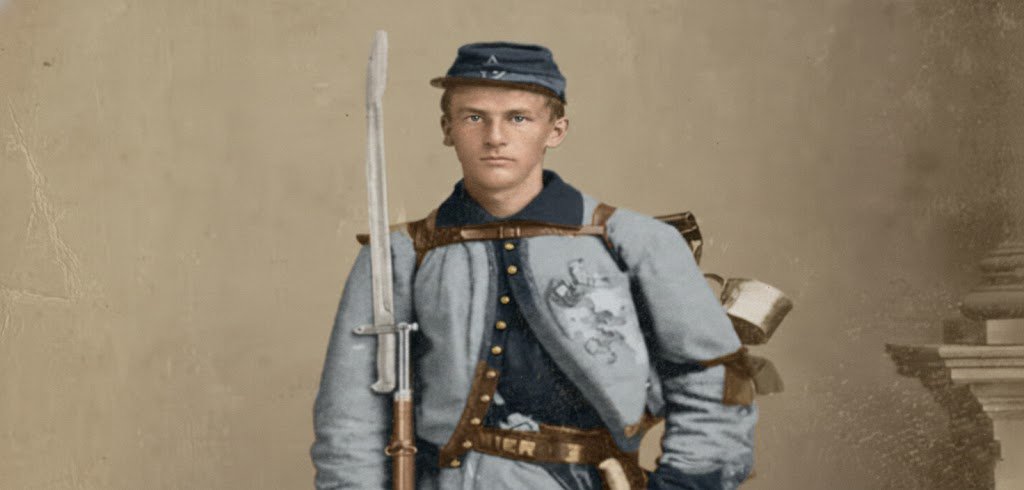
As the two men walked down the steps, the inn’s owner, James W. Jackson, emptied a barrel of his shotgun into the colonel. Brownell lunged forward and bayoneted Jackson as he fired off the second barrel. Ellsworth became a martyr for the Union cause and Brownell became a national hero.
Oliver Otis Howard’s Medal of Honor and Return to Battle
Howard’s Civil War resume reads like he was trying to make history. A brigade commander with the Army of the Potomac, it was during a heated fight at Fair Oaks in June 1862, when he was wounded, lost an arm, and received the Medal of Honor. That may not seem like a Medal of Honor action by modern standards (unless you’ve seen the caliber of a Civil War bullet), but less than three months later, he was back in action in time to fight the Battle of Antietam.
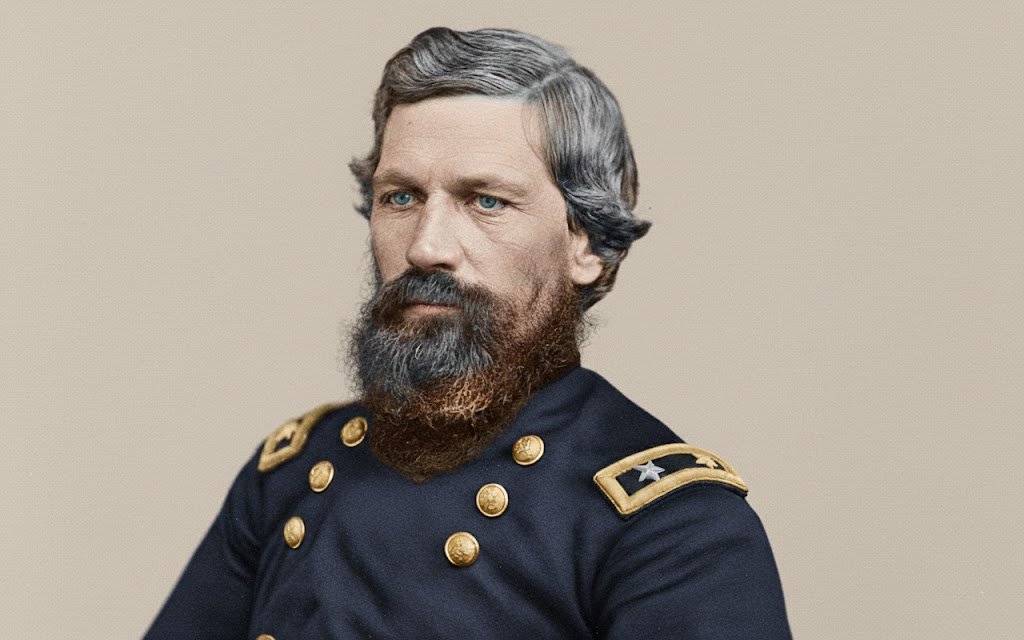
He also fought at Bull Run, Chancellorsville, Gettysburg, Atlanta, and Sherman’s March to the Sea. In his postwar career, he became the head of the Freedmen’s Bureau and founded Howard University.
Read About Other Profiles in Courage
If you enjoyed learning about 5 Medal of Honor Stories Overlooked by History, we invite you to read about other profiles in courage on our blog. You will also find military book reviews, veterans’ service reflections, famous military units and more on the TogetherWeServed.com blog. If you are a veteran, find your military buddies, view historic boot camp photos, build a printable military service plaque, and more on TogetherWeServed.com today.
SHARE:




0 Comments