Military Campaign Stories

Maj Clark Gable, U.S. Army Air Forces (1942-1947)

Maj Clark Gable, U.S. Army Air Forces (1942-1947)

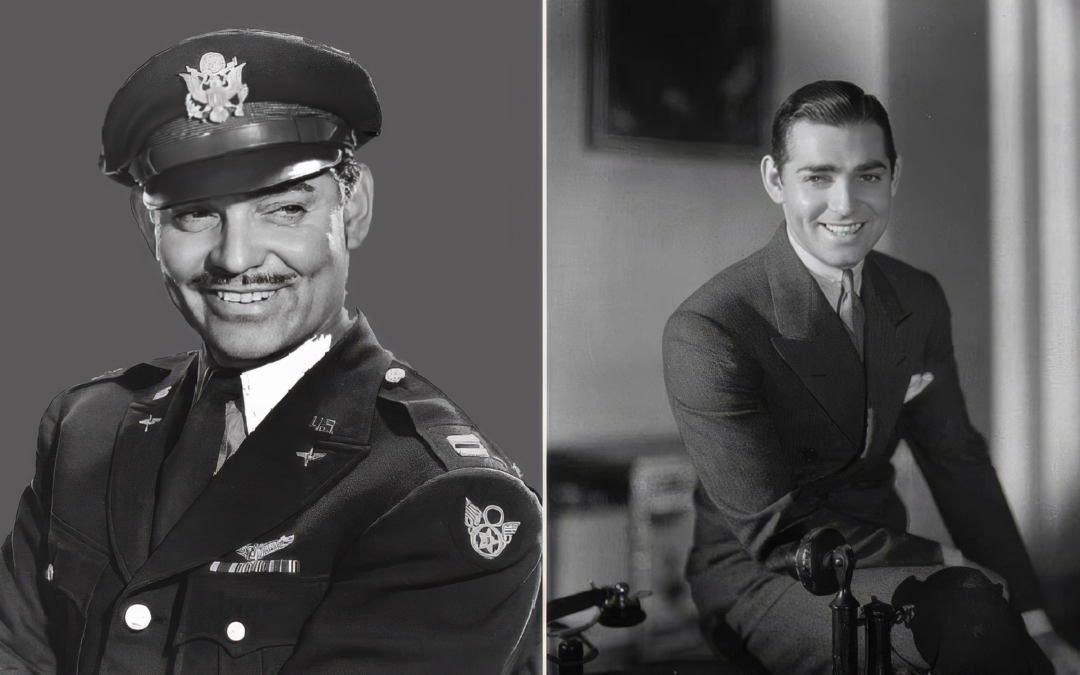
Clark Gable, of the U.S. Army Air Forces between 1942 and 1947, is best known as the ‘King of Hollywood’, the womanizing man’s man with a filmography of over 60 productions. However, he had a passion for flying combat missions and defied death in World War II. Born William Clark Gable in 1901, his father Will was an oil-well driller living in Cadiz, Ohio. Baptized Catholic, his mother Adeline died when he was just ten months old, and his father refused to raise him in the faith. Gable’s father remarried in 1903, and he was raised by his stepmother Jennie. She taught him the piano, and Will taught him to repair automobiles and hunt. Young Clark also developed a taste for literature, and would recite Shakespeare. Gable’s Childhood and First Marriage Gable was inspired to become an actor at 17 after seeing the play The Bird of Paradise. However, he worked with his father in Oklahoma in the oil industry, his stepmother had passed away. At the age of 21, Gable received an inheritance from...
read more
80th Anniversary of The Pearl Harbor Attack

80th Anniversary of The Pearl Harbor Attack

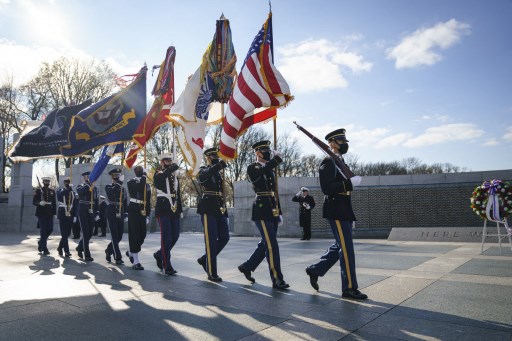
Marking the 80th Anniversary of Pearl Harbor The United States will be marking the 80th anniversary of Pearl Harbor on December 7th, 2021. Eighty years prior to this date, the Imperial Japanese Navy and Air Force launched a surprise attack on the United States’ naval base on the Hawaiian island of Oahu. Over 2,400 people were killed during the Japanese attack, mainly US Navy personnel, but also over 60 civilians including firefighters who came to the aid of the US armed forces. Eight of the nine US Navy battleships in the Pacific were damaged, with four sunk. One former battleship, the USS Utah, was also capsized with 64 dead. USS California (sunk with 100 dead)USS West Virginia (sunk with 106 dead)USS Oklahoma (capsized with 429 dead)USS Arizona (exploded with 1,177 dead) The official name of the memorial is National Pearl Harbor Remembrance Day. Why is Pearl Harbor Day Celebrated? It isn’t, broadly. The anniversary of the attack on Pearl Harbor is observed every December 7th, and...

read more
WW1 – Meuse-Argonne Offensive

WW1 – Meuse-Argonne Offensive

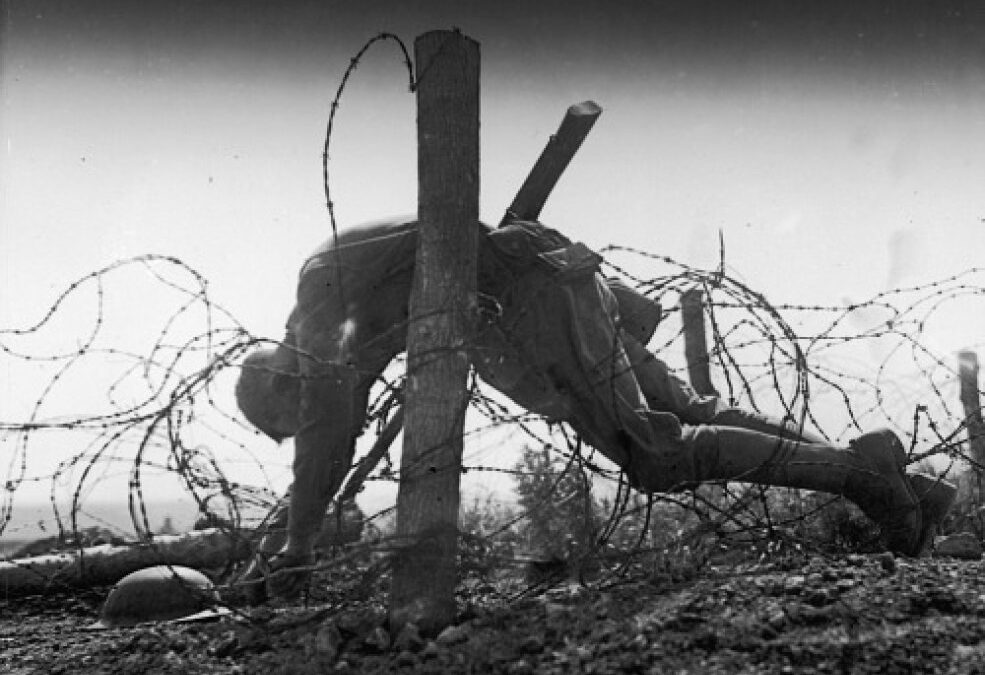
World War I will be remembered as one of the bloodiest wars in human history. Millions of soldiers died on both sides, and whole generations of young men were wiped out. Armies were bogged down in impenetrable trenches, resulting in thousands dying in futile assaults against fortified enemies. The war also introduced new and terrible weapons, such as the machine gun, which made the war even more horrific and bloody. There were many terrible battles, but the worst one for the American Expeditionary Forces (AEF) was the Meuse-Argonne Offensive. On August 30, 1918, the supreme commander of Allied forces, Marshal Ferdinand Foch, arrived at the headquarters of General John J. Pershing's 1st US Army. Foch ordered Pershing to effectively shelve a planned offensive against the St. Mihiel salient as he wished to use the American troops piecemeal to support a British offensive to the north. Outraged, Pershing refused to let his command be broken apart and argued in favor of moving forward with...

read more
Parallel Lives, Shared History

Parallel Lives, Shared History

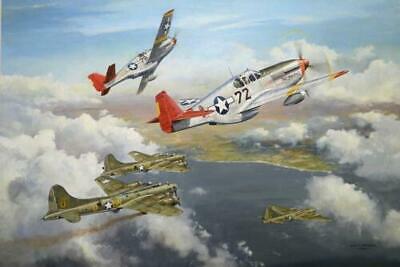
Herb Heilbrun and John Leahr were twenty-one when the United States entered WWII. Herb became an Army Air Forces B-17 bomber pilot. John flew P-51 fighters. Both were thrown into the brutal high-altitude bomber war against Nazi Germany. However, they never met because the Army was rigidly segregated - only in the air were black and white American fliers allowed to mix. Both came safely home, but it took a chance meeting 20 years ago when the two retired salesmen met at a reunion of the Tuskegee Airmen in Cincinnati. That meeting led them to review their parallel lives and discover their shared history. It began in 1995 when Herb read in the newspaper that the city was honoring the local chapter of the Tuskegee Airmen, the all-black 332nd Fighter Group. They flew "Red-Tail" P-51s on missions escorting bomber squadrons from Italy into Germany and German-held territories. Herb could still remember hearing, amid the radio chatter over the target, the distinctive voices of the...

read more
Veteran of Three Wars Under Three Flags

Veteran of Three Wars Under Three Flags

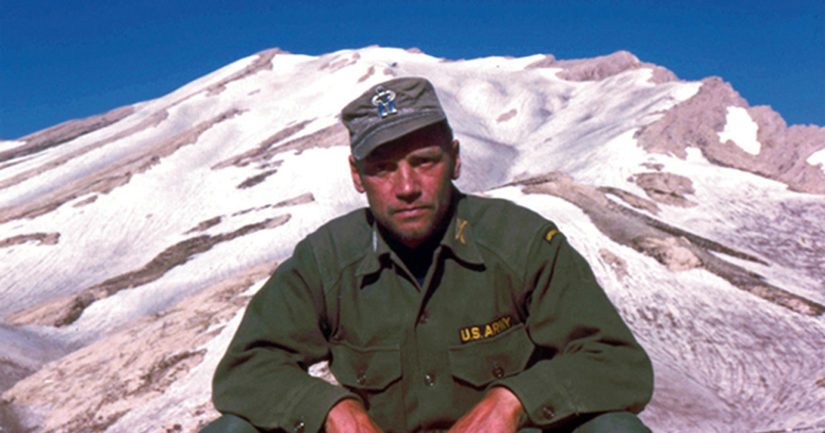
Lauri Allan Torni, later known as Larry Thorne, spent the majority of his life-fighting communists. First, the Soviets while in the service of Finland and Germany during World War II and then the Vietcong and North Vietnamese as a U.S. Army Special Forces officer during the Vietnam War. Biography Veteran of Three Wars Larry Thorne Lauri Torni was born in Finland, the son of a sea captain, in 1919. He enlisted in the Finnish Army at the age of 18 and was near the completion of his enlistment when the Soviet Union attacked Finland in late 1939. With his service suddenly extended as part of Finland's mass mobilization of troops, Torni was transferred to the front line, where he began a reputation as a determined fighter and strong leader. His heroism fighting the Red Army in what became known as the Winter War quickly caught the attention of his commanders resulting in commissioning as an officer. The Winter War ended with the Moscow Peace Treaty in March 1940. In 1941, when Hitler...

read more
Vietnam War – Operation Crazy Horse (1966)

Vietnam War – Operation Crazy Horse (1966)

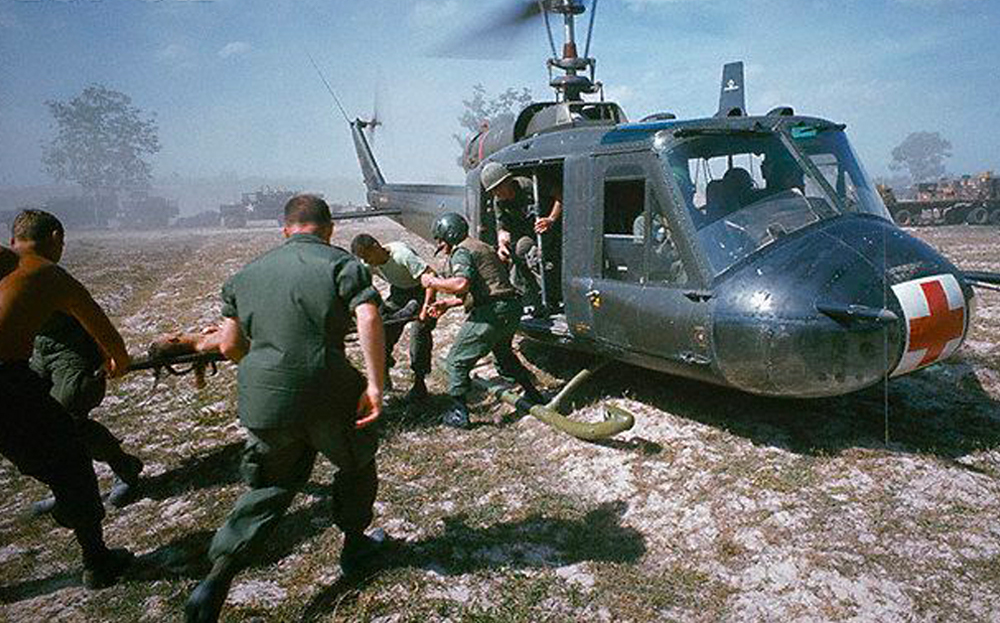
On May 20, 1966, close to dusk and in a light rain, B Company, 1st Battalion, 8th Cavalry (ABN/AMB), 1st Brigade, 1st Cavalry Division, commanded by Capt. Roy D. Martin was airlifted by Chinook helicopters (CH-47s) into a small clearing located in the mountains east of the Vinh Thanh Valley, Republic of Vietnam. The clearing had been designated LZ Horse and could accommodate only one CH-47 at a time.  The company had been ordered to the LZ to begin operations in search of a large NVA/VC force that had been heavily engaged with other units of the 1st Brigade since May 16th. Specifically, B Company along with C Company 1/8th were to link up on the morning of the 21st and generally proceed along a trail and streambed to the northeast of LZ Horse to engage and defeat an enemy force suspected of being in the area. Capt. William Mozey had arrived earlier that afternoon and had been committed in support of another unit who was heavily engaged to the north of LZ Horse. C Company had...

read more
WW2 – Behind Enemy Lines – The 82nd and 101st Airborne on D-Day (1944)

WW2 – Behind Enemy Lines – The 82nd and 101st Airborne on D-Day (1944)

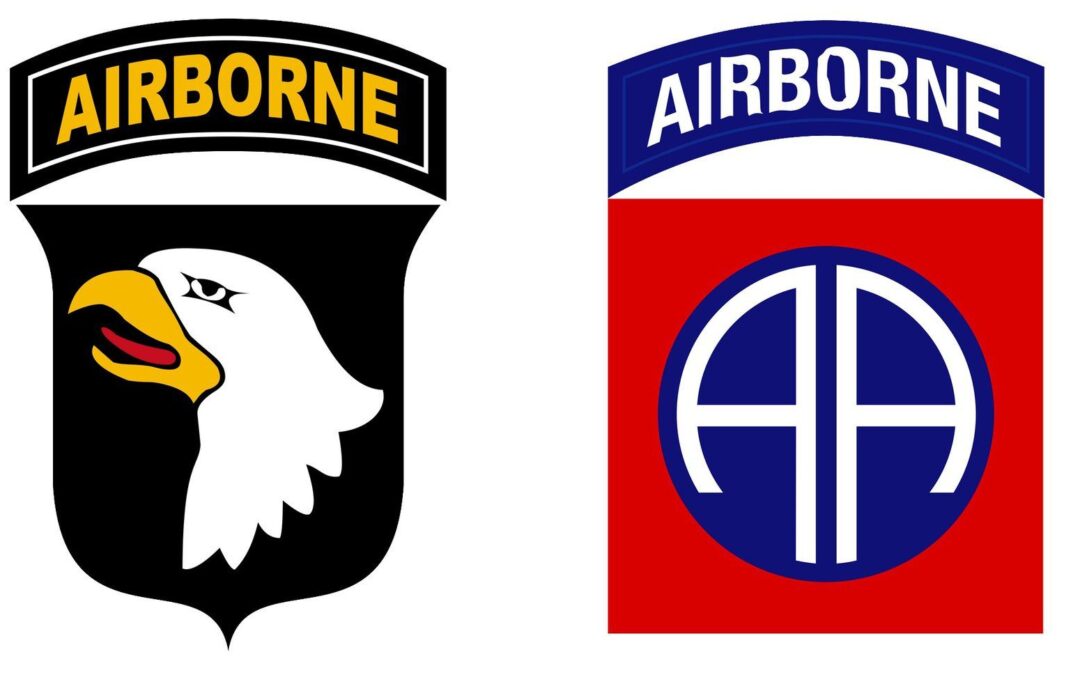
The amphibious landings of D-Day were hours away when the first combat missions by the US Army started in France. The invasion of Normandy began with a large-scale parachute drop that included 13,100 Soldiers of the 82nd and the 101st Airborne Divisions. The attack occurred during the night in the early hours of June 6th, 1944, and was the vanguard of the Allied operations in Normandy. D-Day Airborne Assault: Planning and Preparation The troops were all part of the US VII Corps assigned to capture Cherbourg, the coastal city in Normandy, that would serve as a supply port for the Allied troops after the landing. They were also tasked with a specific mission: to block approaches into the vicinity of the amphibious landing at Utah Beach, to capture causeway exits off the beaches, and to establish crossings over the Douve River at Carentan to assist the US V Corps in joining up the two American beachheads. Once the paratroopers landed, all hell broke loose. The heavy fighting marked the...

read more
Sgt Drew Carey, U.S. Marine Corps (1980-1986)

Sgt Drew Carey, U.S. Marine Corps (1980-1986)

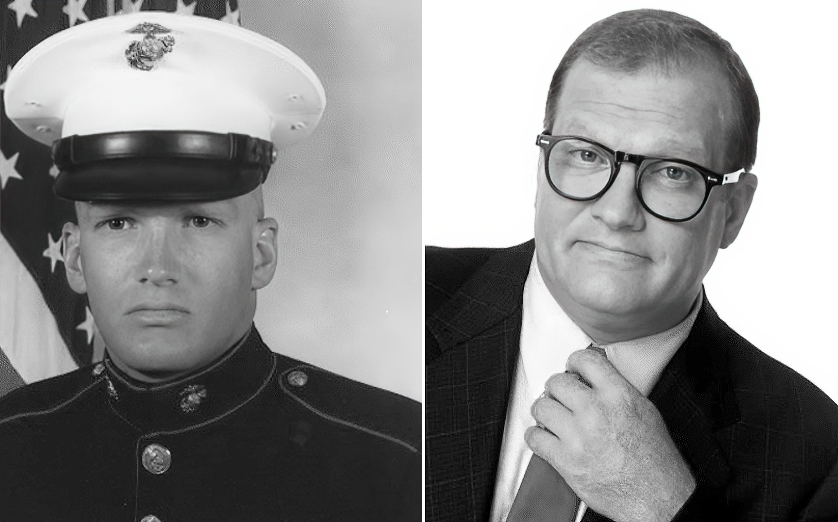
Drew Carey, who served in the US Marine Corps between 1980 and 1986, maybe better recognized as the host of the game show The Price is Right, or for his previous work as host of improv comedy show Whose Line is it Anyway? It might surprise some to learn, however, that his distinctive haircut and glasses are artifacts from his years of service as a Marine. Drew Carey Found Purpose in the Marine Corps Born the youngest of three sons to the Carey family of Old Brooklyn in Cleveland, Ohio, at the age of eight Carey lost his father Lewis to a brain tumor. Due to this, and sexual abuse from a member of his extended family, Carey battled depression throughout his youth. He took up marching band in high school, playing the cornet and trumpet. When he graduated from high school he attended Kent State University, yet he was expelled twice for poor academic performance. He twice attempted suicide by sleeping pills before the age of 25. Leaving college without a degree, he enlisted in the Marine...

read more
MA2 Doris Miller, U.S. Navy (1939–1943) – Navy Named Aircraft Carrier for Pearl Harbor Hero

MA2 Doris Miller, U.S. Navy (1939–1943) – Navy Named Aircraft Carrier for Pearl Harbor Hero

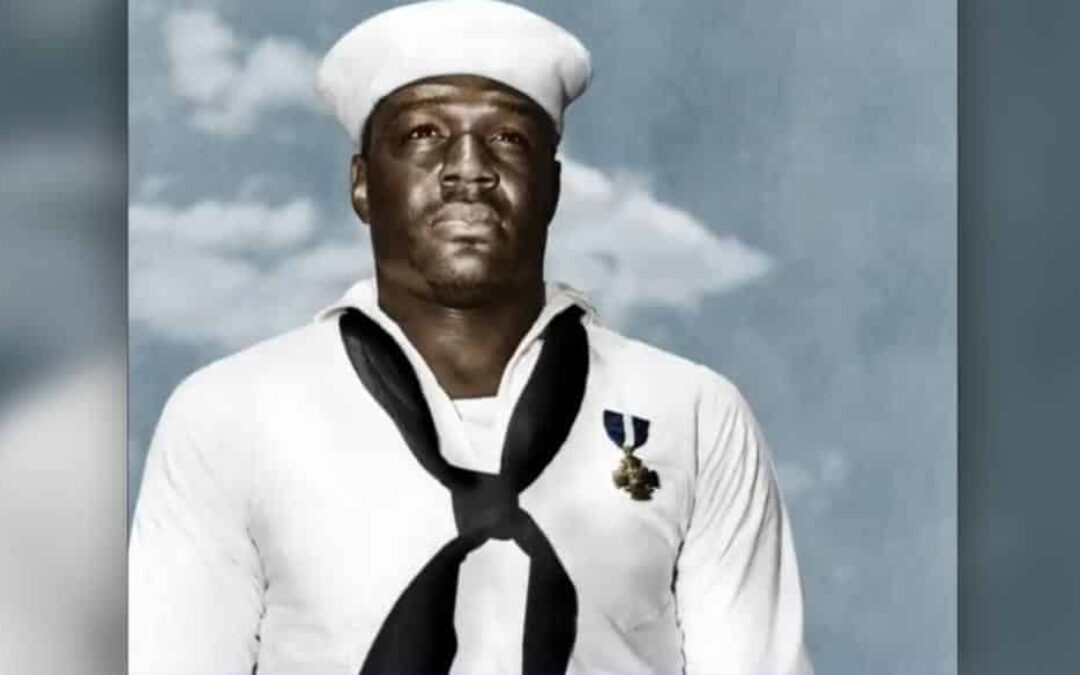
On Martin Luther King Jr. Day, January 20th, 2020, at Pearl Harbor, the Navy announced that a $12.5 billion aircraft carrier will be named after Mess Attendant 2nd Class Doris Miller, the first African American to receive the Navy Cross for valor for his actions on December 7, 1941, when he manned a machine gun on the USS West Virginia to fire back at attacking Japanese planes. "I think that Doris Miller is an American hero simply because of what he represents as a young man going beyond the call of what's expected," said Doreen Ravenscroft, president of Cultural Arts of Waco (Texas) and team leader for the Doris Miller Memorial. Doris Miller Was The First African American Who Earn The Navy Cross In 1941 an African American was not allowed to man a gun in the Navy, and as far as rank was concerned, "he could not really get above a Messman level," Ravenscroft said. Miller's actions started to turn the tide, she added. "Without him really knowing, he actually was a part of the civil...

read more
MajGen Smedley Butler, U.S. Marine Corps (1898–1931) – Medal of Honor Recipient

MajGen Smedley Butler, U.S. Marine Corps (1898–1931) – Medal of Honor Recipient

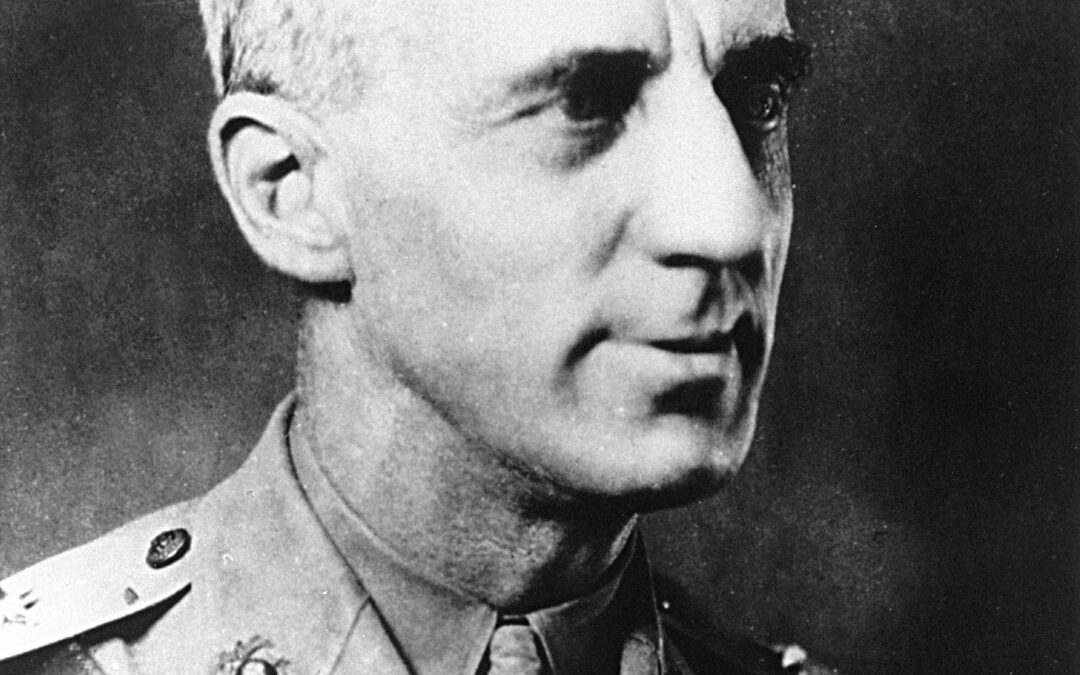
Smedley Butler may be the best-known double Medal of Honor recipient and one of the most popular military Generals in U.S. history. Butler served 33 years in the Marine Corps and had a role in the Spanish-American War in Cuba, the Philippine-American War in Manila, the Boxer Rebellion in China, the Banana Wars in the Caribbean, the Mexican Revolution, and World War I. Butler's first Medal of Honor was earned during the Mexican Revolution when the then-major fought block to block in the streets of Vera Cruz to rid the city of the. resistance. His second award occurred a year later in 1915 when his Marines engaged in hand-to-hand combat with the Caicos resistance, a lower society of miscreants who formed a gang to wreak havoc in Haiti. Smedley Butler is One of the Most Revered Military Generals in U.S. History His wartime heroics became legendary, and he is one of the most recognized Marines of all time. Butler also introduced the Marine Corps' first unofficial mascot, a bulldog named...

read more
Sgt Alvin York, U.S. Army (1941–1947) – Medal of Honor Recipient

Sgt Alvin York, U.S. Army (1941–1947) – Medal of Honor Recipient

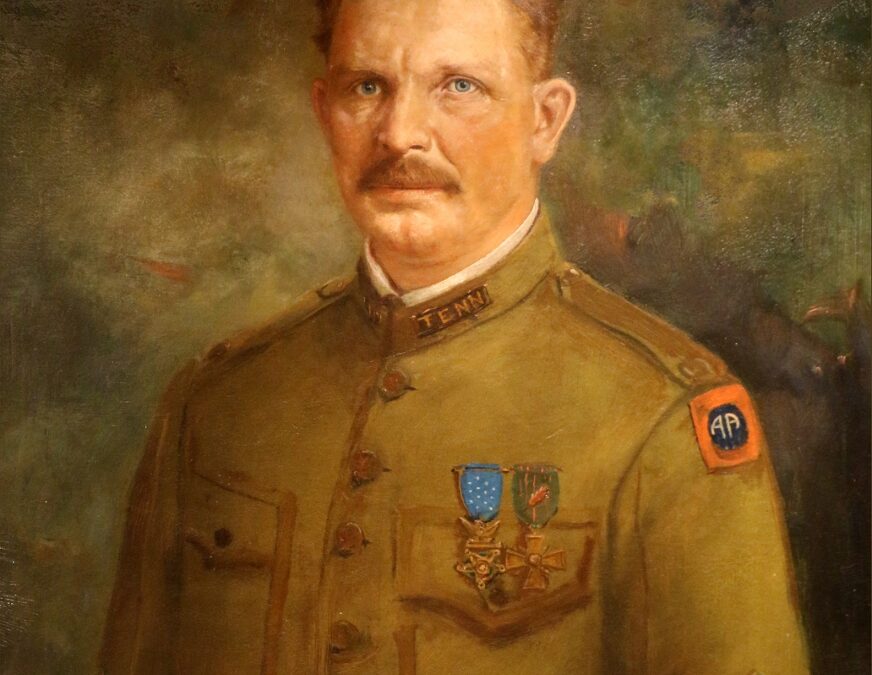
Sergeant Alvin York was seemingly born to a hardscrabble existence and anonymity in death, but World War One changed that forever. The story of York is one that twists and turns like the Mississippi river as he went through redemption and battled personal demons. The Early Struggles of Alvin York At the end of it, all was the story that could have secured fame, finance, and his future - but York turned his back on it all to go back to the simple life and try and make a positive impact on the community in which he lived. York's early upbringing laid the foundations for the heroic feats that he would perform later on in life. He was born in a log cabin in 1887 close to Pall Mall in Tennessee, the third of 11 children. His upbringing was typical of the poor, subsistence farmers living in the area. Alvin was only sent to school for nine months as his father wanted him to help out on the farm and hunt to provide extra food on the table. This lack of schooling may have set York back in...

read more
Destroyed Military Records. A Disaster with Long-Lasting Repercussions

Destroyed Military Records. A Disaster with Long-Lasting Repercussions

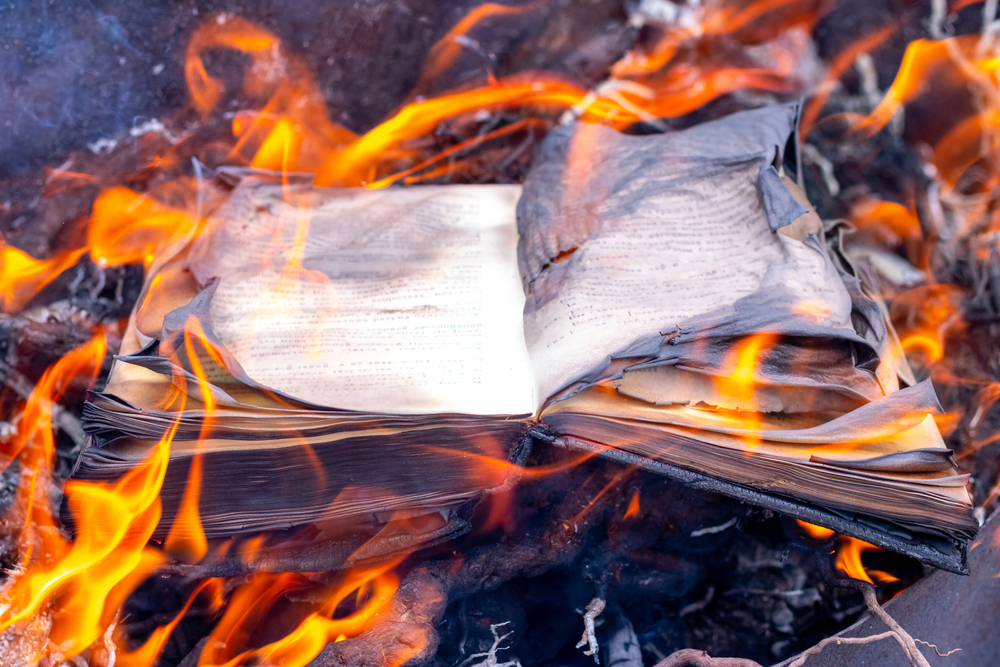
In 1973 a devastating fire in the National Personnel Records Center destroyed about 17 million military personnel files. A loss with long-lasting repercussions, it affects our understanding and knowledge of many individual WWII stories. The Fire at the National Personnel Records Center Here in New Orleans, the destructive power of fire and especially water is well known. Large disasters such as floods, earthquakes, and fires affect our national consciousness, and their devastating power often goes beyond the destruction of buildings and landscapes. In many cases, invaluable records, images, and other memories of human experience are lost in their wake. One such disaster affects our understanding of World War II to this day in that it took millions of records of those who fought it: the 1973 fire at the National Personnel Records Center in St. Louis. Design Flaws in the NPRC and the Fire Hazard The National Personnel Records Center was formed in 1956 in an effort to streamline...

read more