

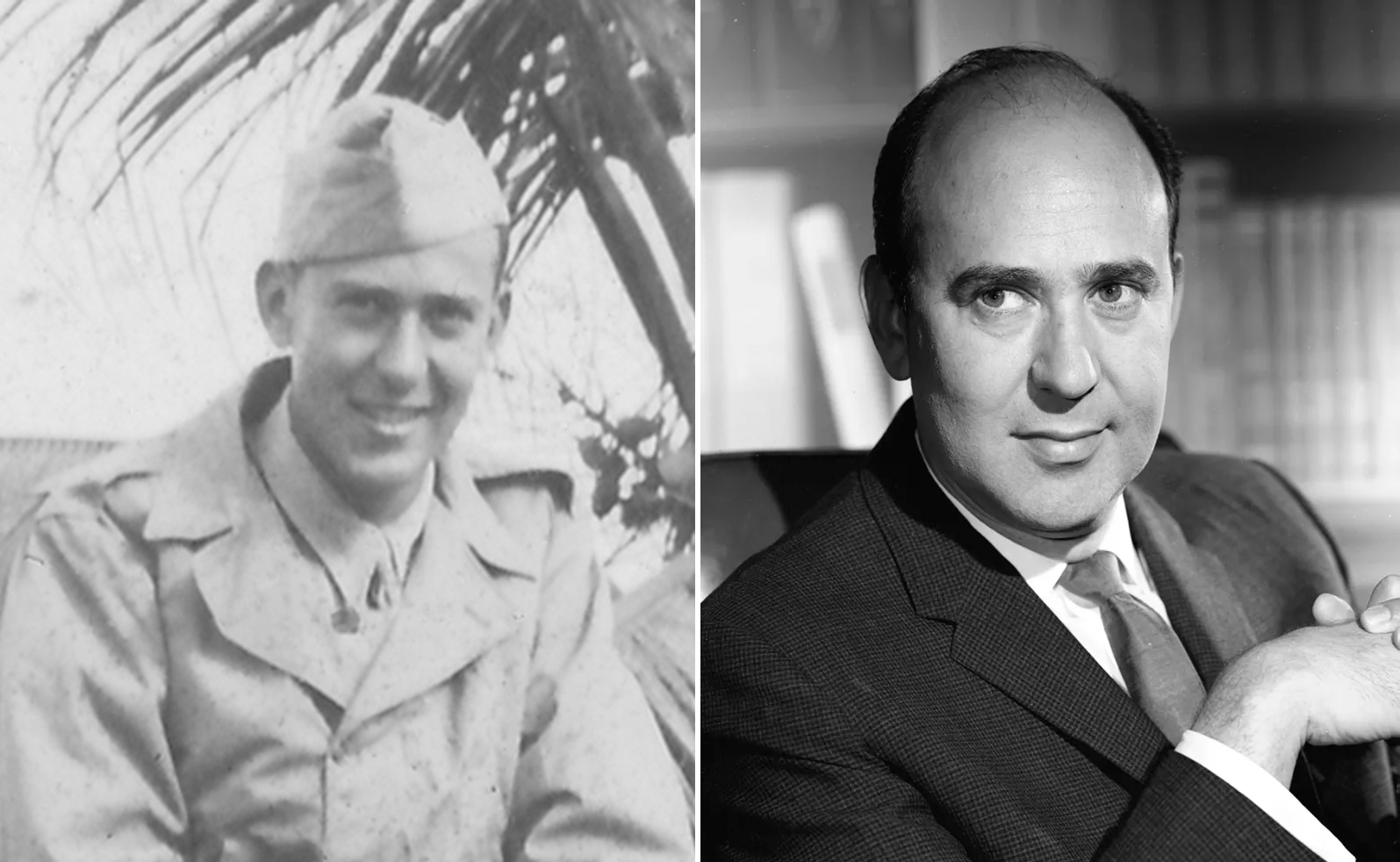
Carl Reiner was a multifaceted American entertainer, celebrated for his significant contributions to comedy, television, film, and literature. But did you know that Carl Reiner was also a veteran? Carl Reiner’s World War II service took him from a Signal Corps radio classroom to the Army’s Special Services entertainment units, where he used humor to boost morale across the Pacific instead of fighting on the front lines. That experience not only kept him out of some of the war’s deadliest battles, it launched a lifetime in comedy that TogetherWeServed proudly honors today.
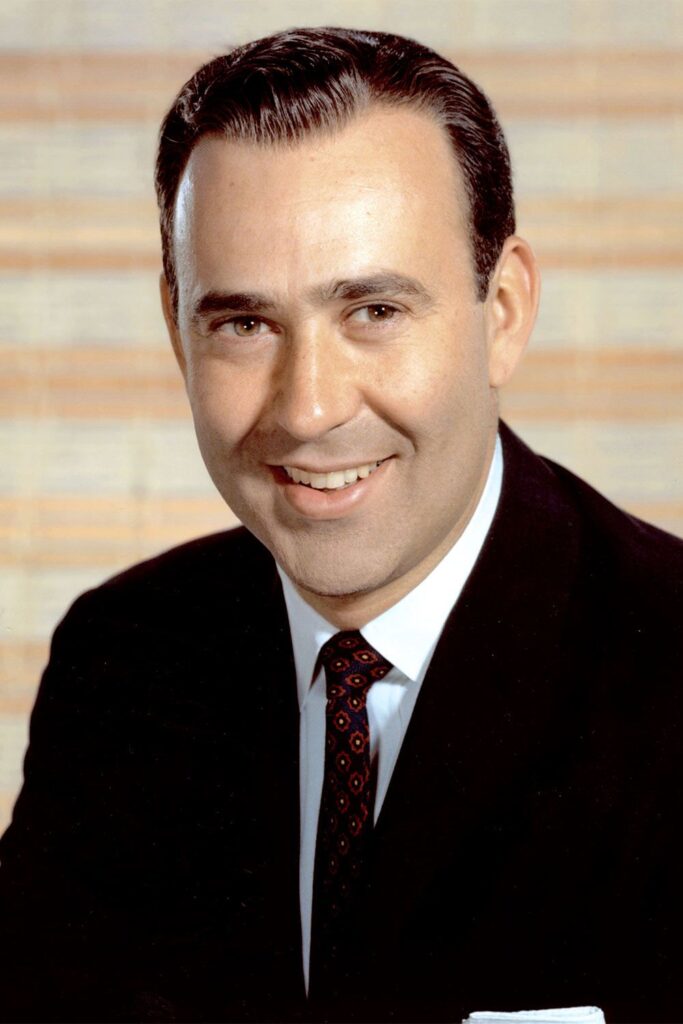
Carl Reiner’s Early Life
Carl Reiner was born on March 20, 1922, in the Bronx, New York, to Jewish Austrian immigrant parents, growing up in a working-class home during the Great Depression. His mother was a homemaker, and his father was a watchmaker and an inventor. When Carl Reiner was sixteen years old, he worked as a machinist’s helper, repairing sewing machines for eight dollars a week. He discovered acting in his teens through a Works Progress Administration (WPA) acting class, the same training that would later help him land a critical audition while in uniform. The WPA was a New Deal program that was designed to put the unemployed back to work. Reiner took the class, and his instructor, Mrs. Whitmore, suggested he audition for Paul Gilmore at the Daly Theater, on Sixty-third Street and Broadway. By the time Reiner was seventeen, he had joined the Gilmore Players and wanted to become a serious dramatic actor.
Carl Reiner’s Military Training and Early Assignments
On October 27, 1942, with America fully engaged in World War II, Reiner joined the United States Army Air Forces, beginning a four-year period of active-duty service.
Reiner was initially assigned to the Signal Corps and trained as a radio operator, a technical specialty vital to wartime communications. After recovering from a bout of pneumonia, he was selected for specialized language training in French at Georgetown University’s School of Foreign Service, where he even directed a play in French. Following language school, he was sent to Hawaii and worked as a teleprinter (teletype) operator, handling high‑priority messages in the Pacific theater.
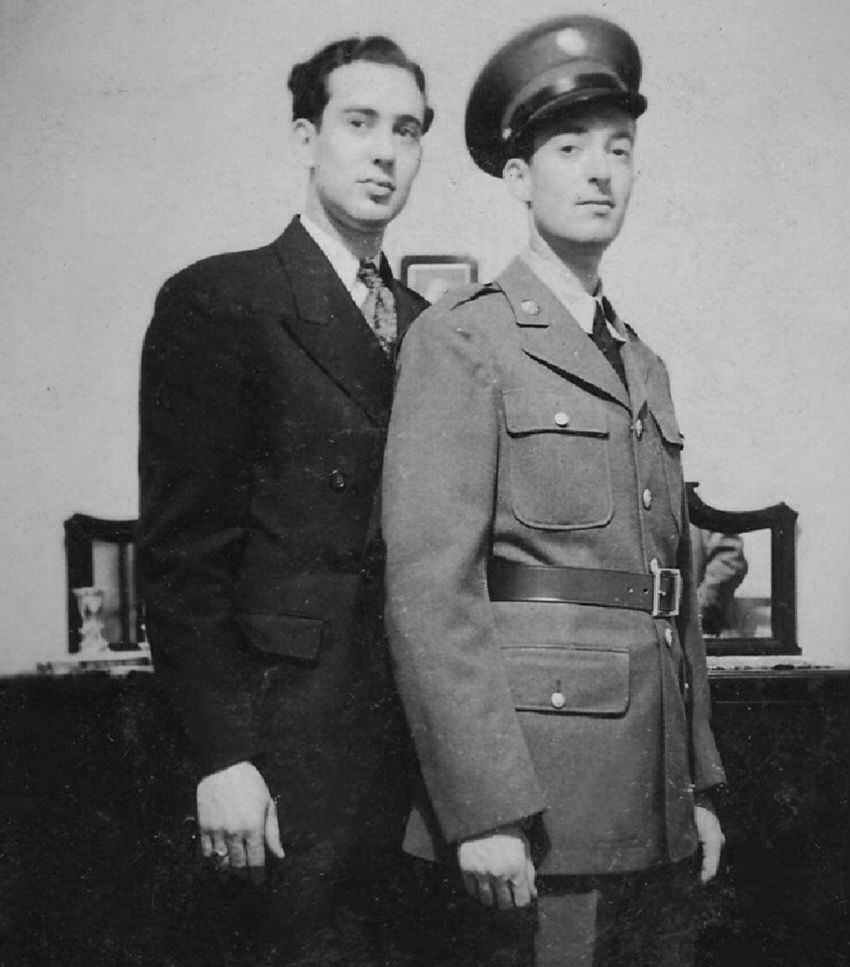
While stationed in Hawaii, Reiner attended a performance by a Special Services entertainment unit, immediately recognizing a chance to return to the stage even in wartime. He auditioned for the unit, drawing on his WPA training and natural comic timing, and was accepted; this transfer moved him from a communications billet into full‑time morale‑building work. Reiner was then attached to Major Maurice Evans’s Army Entertainment Section, a respected theatrical troupe that brought professional‑quality performances to troops far from home.
Carl Reiner Performing for the Troops in the Pacific
From roughly 1943 to 1946, Reiner toured bases across the Pacific, including Hawaii, Guam, and Iwo Jima, performing in plays and variety shows for servicemembers. Their troupe was charged with touring the Pacific theater to put on such plays as G.I. Hamlet (1944) and and other classics, giving Reiner nightly opportunities to refine his improvisational skills before military audiences.
In later interviews, Reiner noted that a well‑timed audition for the “entertainment brigade” likely spared him from deployment into the brutal fighting around Iwo Jima, underscoring how close he came to a very different fate.
Carl Reiner’s Rank, Discharge, and Return to Civilian Life
During his service, Reiner rose to the rank of noncommissioned officer; sources list him as a corporal in Army Entertainment Section records and as a staff sergeant in Army Air Forces summaries.

He remained on active duty through the closing stages of the war, concluding his tour and receiving an honorable discharge in 1946 after approximately four years in uniform.
Following discharge, Reiner went to work in resorts and small theaters, emceeing variety shows and performing stand‑up, clearly building on the stage craft forged during his military tours.
From Army Stages to Comedy Legend
The confidence and improvisational discipline Reiner gained performing for servicemembers set the foundation for his postwar success on Broadway, live television, and early network comedy.
He became a central figure on Sid Caesar’s Your Show of Shows and later created The Dick Van Dyke Show, bringing a sharp, character‑driven comedy style that echoed the timing honed entertaining troops in wartime tents and makeshift theaters.
Reiner’s collaborations with fellow World War II veteran Mel Brooks—including the iconic “2000 Year Old Man” sketches—further exemplified how veterans channeled their service experiences into a lifetime of laughter for millions.
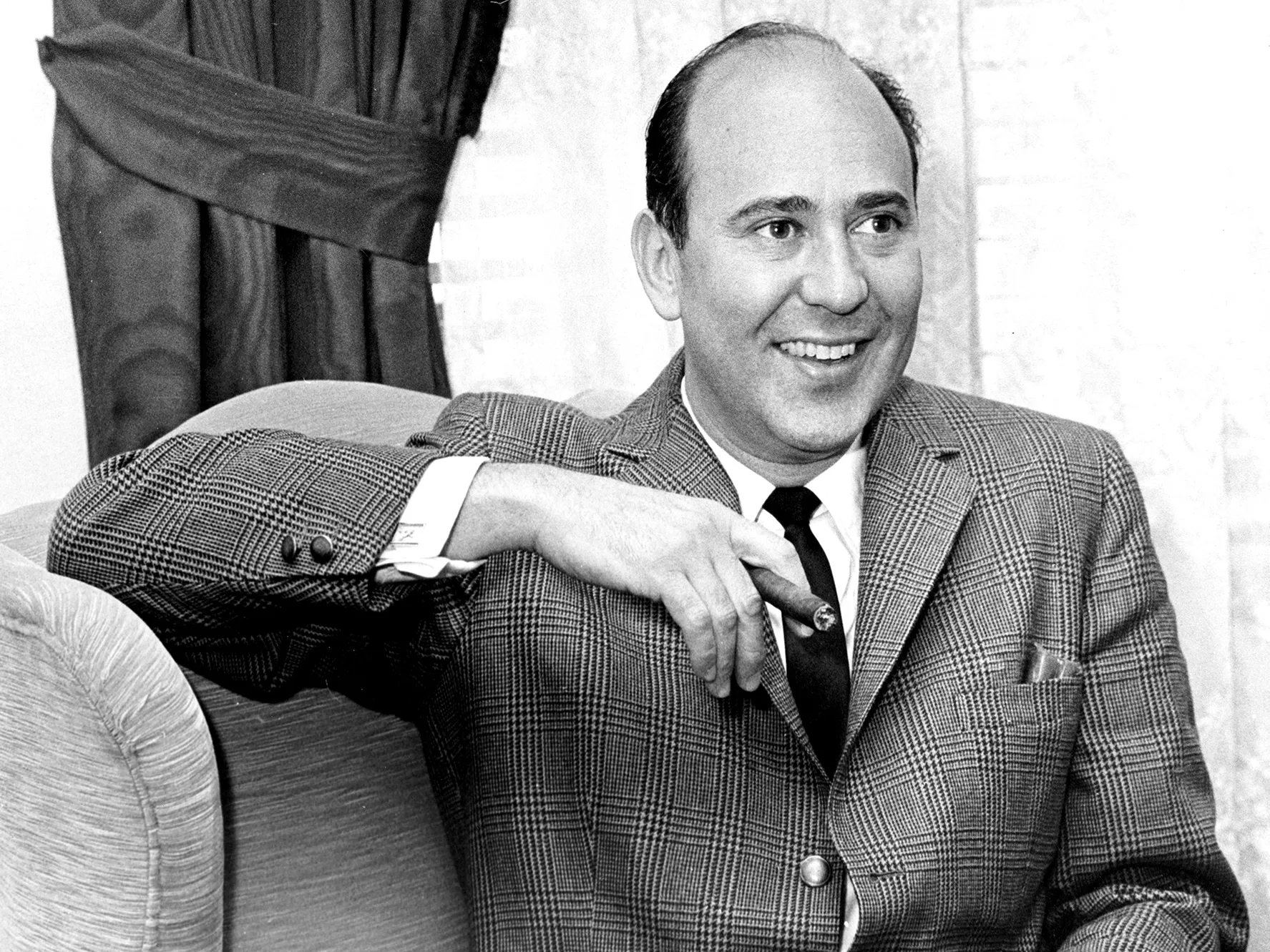
Carl Reiner was a stage, film, and television actor, a comedian, a television writer, a screenwriter, a playwright, a novelist, a memoirist, and a film director. He succeeded in balancing a prolific career that included writing, directing, producing, and acting. Following World War II, Reiner accumulated a number of stock company and Broadway stage credits. In 1947, he starred in the touring company of Call Me Mister (1946). In 1948 and 1949, he appeared on Broadway in Inside U.S.A. (1948), and later he performed in Alive and Kicking (1950).
Carl Reiner’s Famous Quotes
Carl Reiner, the comedy titan, delivered timeless wisdom through his wit and candor. Here are some of his most famous quotes:
“A lot of people like snow. I find it to be an unnecessary freezing of water.”
“Lust is easy. Love is hard. Life is most important.”
“Inviting people to laugh with you while you are laughing at yourself is a good thing to do. You may be a fool but you’re the fool in charge.”
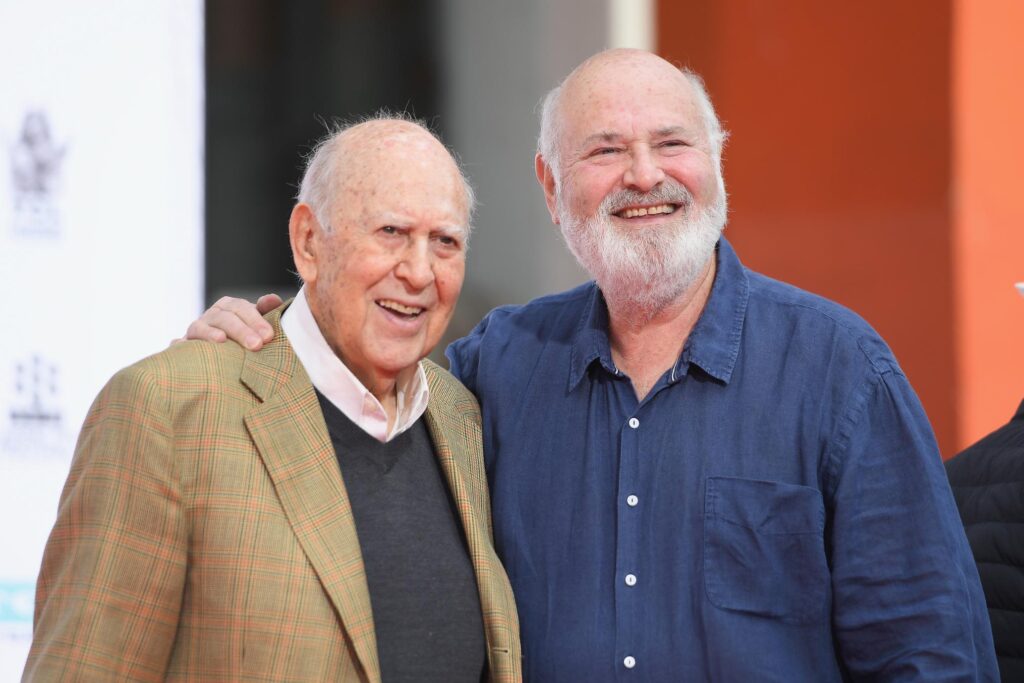
“I’m a charming coward; I fight with words.”
“The absolute truth is the thing that makes people laugh.”
“When you denigrate people, they have two ways to fight back—with their fists and guns, or their mouths. And mouths are seemingly the easiest way to not get hit back.”
“Every morning, I would actually look at the obituaries before I had breakfast. And as a joke I said if I was not in it, I would have the breakfast.”
“I am an atheist. I have a very different take on who God is. Man invented God because he needed him. God is us.”
Carl Reiner’s Awards and Accomplishments
Carl Reiner was a comedy legend whose seven-decade career earned him widespread acclaim as an actor, writer, director, and producer.
Some of his his key awards and accomplishments
- 11 Primetime Emmy Awards, including wins for writing and producing The Dick Van Dyke Show (1962–1966), acting on Caesar’s Hour (1957–1958), and guest spots like Mad About You (1995).
- 1 Grammy Award for Best Spoken Comedy Album for The 2000 Year Old Man in the Year 2000 (1999), with multiple nominations for his collaborations with Mel Brooks.
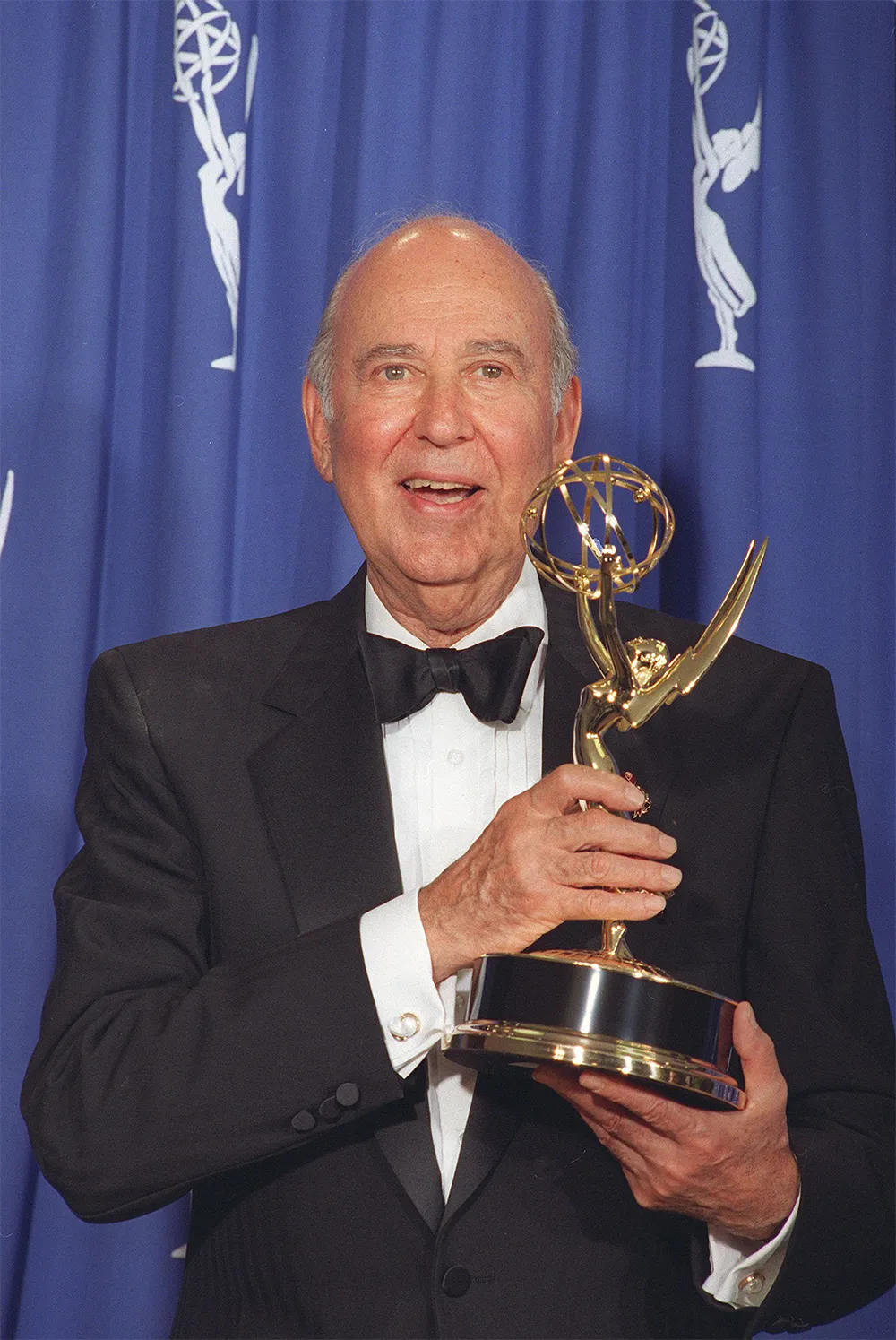
- Mark Twain Prize for American Humor from the Kennedy Center (2000).
- Television Hall of Fame inductee (1999).
- Hollywood Walk of Fame star for television (1960, at 6421 Hollywood Blvd).
- Directors Guild of America Honorary Lifetime Achievement Award (2007).
- Writers Guild of America Laurel Award (1995) and Valentine Davies Award (2009).
- Created and starred in iconic comedy routines like the “2000 Year Old Man” with Mel Brooks, plus directing hits like Oh, God! and acting in Ocean’s Eleven.
Carl Reiner’s Charitable Work and Philanthropy
Carl Reiner was recognized for his philanthropic efforts, notably receiving the Humanitarian Torch of Learning Award, which highlighted his commitment to charitable causes:
- Sponsored the Carl Reiner Charity Celebrity Tennis Tournament annually from 1974 to 2001 in La Costa, California, directed by tennis pro Mike Franks; featured 400 players (100 pros) to raise funds for children’s causes.
- Longtime supporter of Big Brothers of America (now Big Brothers Big Sisters), mentoring at-risk youth through the national mentoring organization.
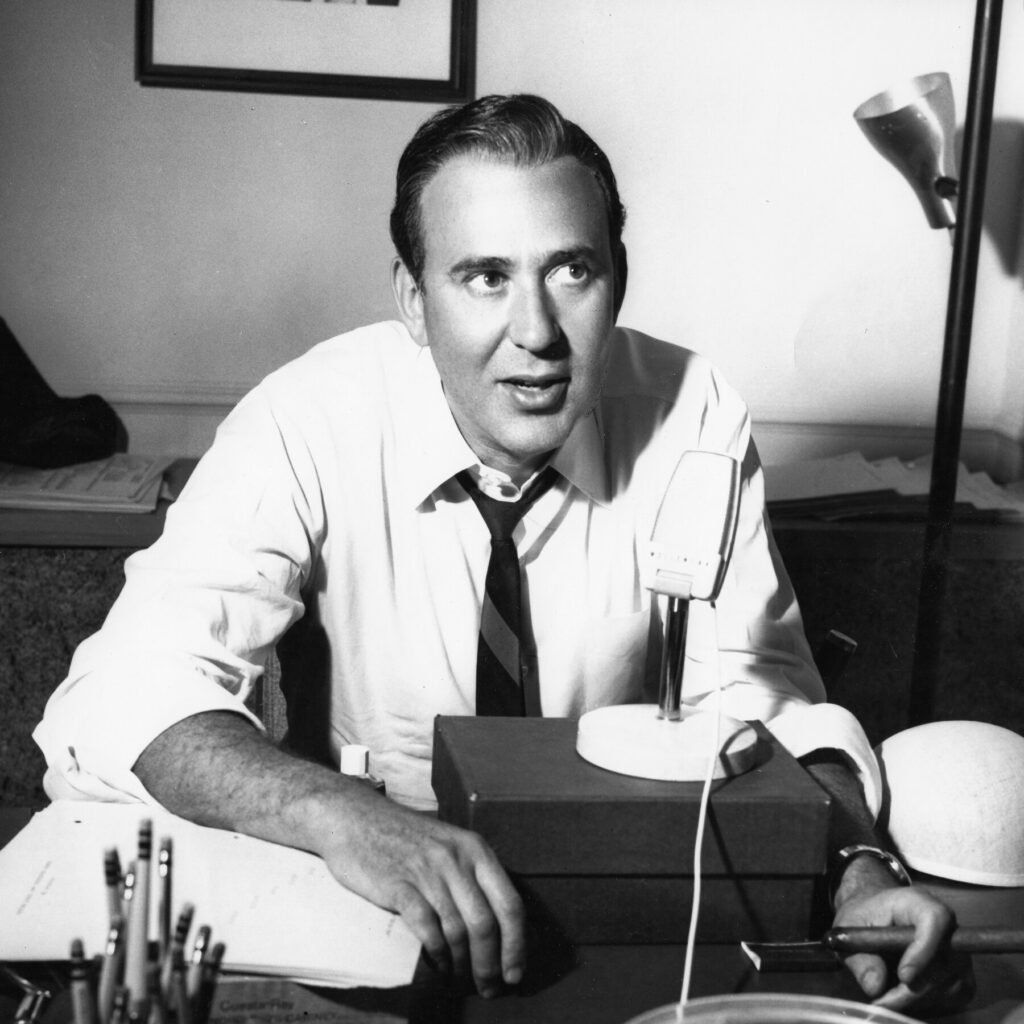
- Advocated for Educational Resources and Services (ERAS), aiding learning-disabled students with educational programs and resources.
- Contributed to Just for Kids Foundation and similar groups focused on children’s welfare, health care, and education initiatives.
- Founding Advisory Board member of the National Comedy Center, donating his personal archives in 2021 to preserve comedy heritage for future generations.
Carl Reiner’s Family Legacy and Recent Loss
Carl Reiner died on June 29, 2020, at the age of 98, leaving behind a family deeply rooted in the arts, including his son, writer–director Rob Reiner, whose films such as This Is Spinal Tap and When Harry Met Sally became modern classics.
In December 2025, Rob Reiner and his wife Michele Singer Reiner were found dead in their Los Angeles home at age 78, a sudden and tragic loss that shook the entertainment community and those who honor Carl Reiner’s enduring military and creative legacy.
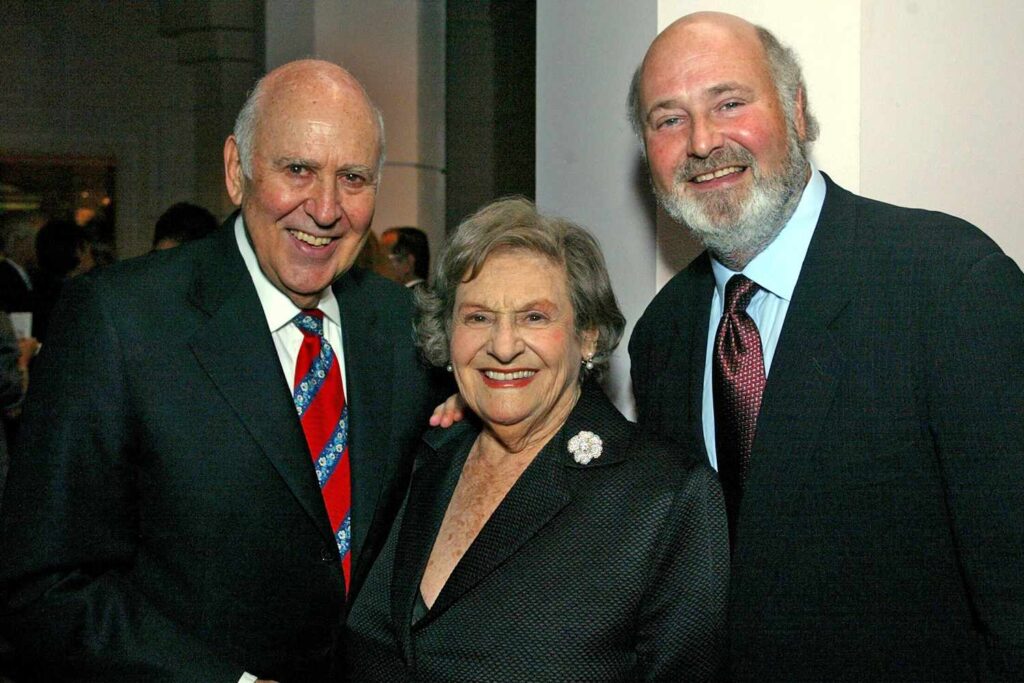
TogetherWeServed salutes Carl Reiner’s World War II service in the U.S. Army, his devoted work lifting the spirits of his fellow servicemembers, and the remarkable legacy carried forward—and now poignantly memorialized—through his family and body of work.
Learn About Other Famous Veterans On The TogetherWeServed.com Blog
If you enjoyed reading about Cpl Carl Reiner’s military service, please browse the stories of other famous people who served on our blog. You will also find military book reviews, veterans’ service reflections, famous military units and more on the TogetherWeServed.com blog. If you are a veteran, find your military buddies, view historic boot camp photos, build a printable military service plaque and more on TogetherWeServed.com today.
SHARE:




0 Comments