

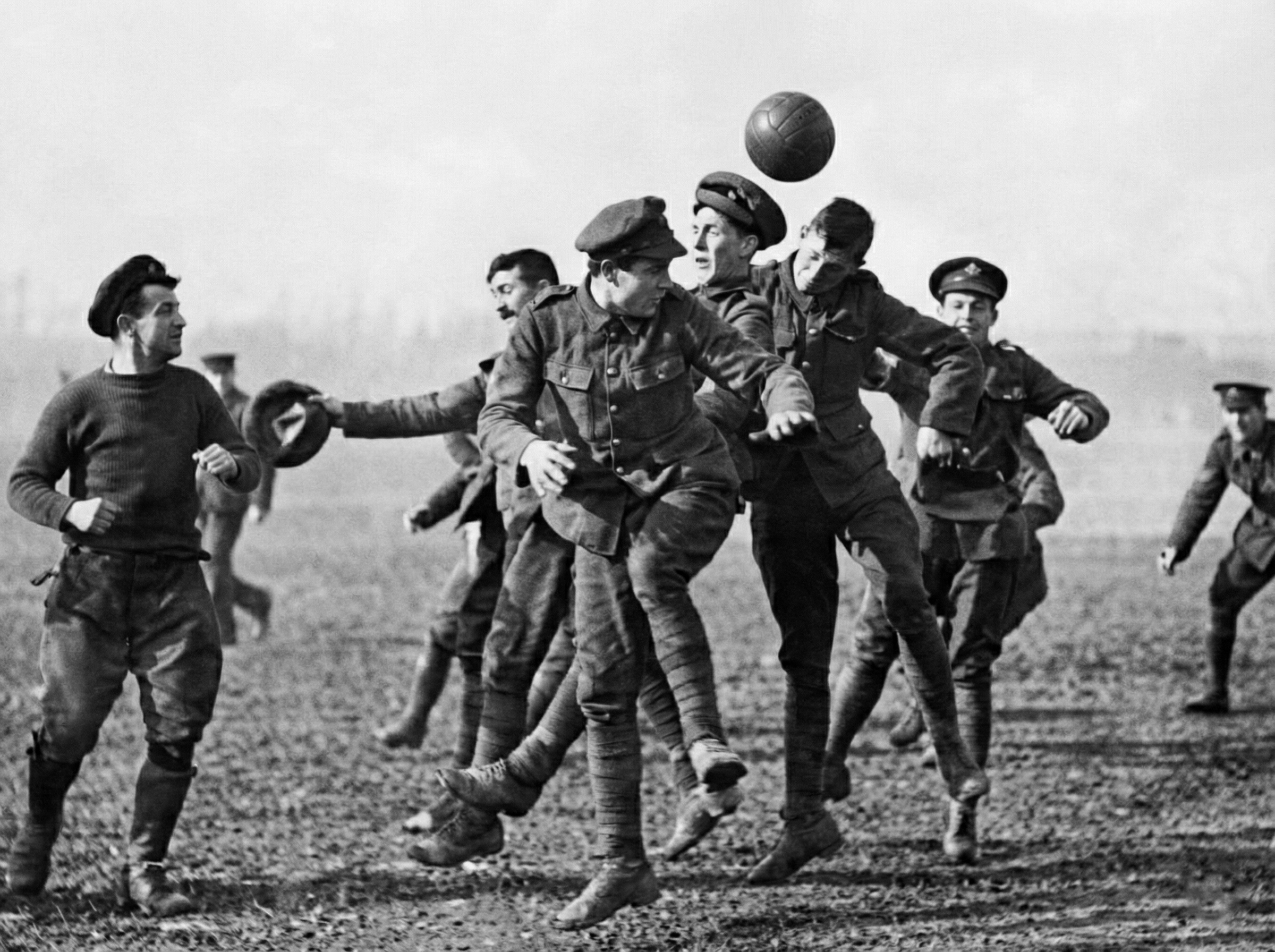
War makes great fertilizer for legends. The worse the fighting gets, the more people cling to stories that prove human beings haven’t completely forgotten how to act like human beings. The Christmas Truce of 1914 is one of those stories: a rare moment of peace in one of the ugliest wars in history.
But over the last century, the truce has picked up a lot of baggage. Along the way, there was one big soccer match, everyone along the Western Front joined in, and it became a magical day when World War I “stopped.” The real story is a lot more complicated, and in a way, more impressive.
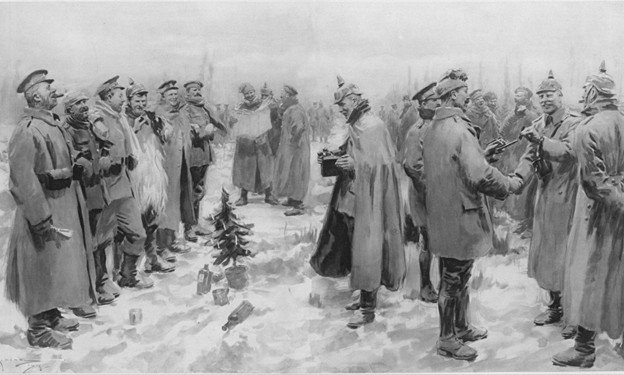
Christmas Truce Begins Without Orders
The Truth
By December 1914, World War I was only a few months old and already a nightmare. What was supposed to be a quick war had bogged down into trenches stretching from the North Sea to Switzerland. Men lived knee-deep in mud, under constant artillery barrages, staring at the same enemy sandbags day after day.
Nobody in charge planned a Christmas break. Political and military leaders had every intention of fighting straight through the holidays. A few church figures (including Pope Benedict XV) called for a ceasefire, but governments ignored them. The people who actually stopped fighting were the ones in the trenches.

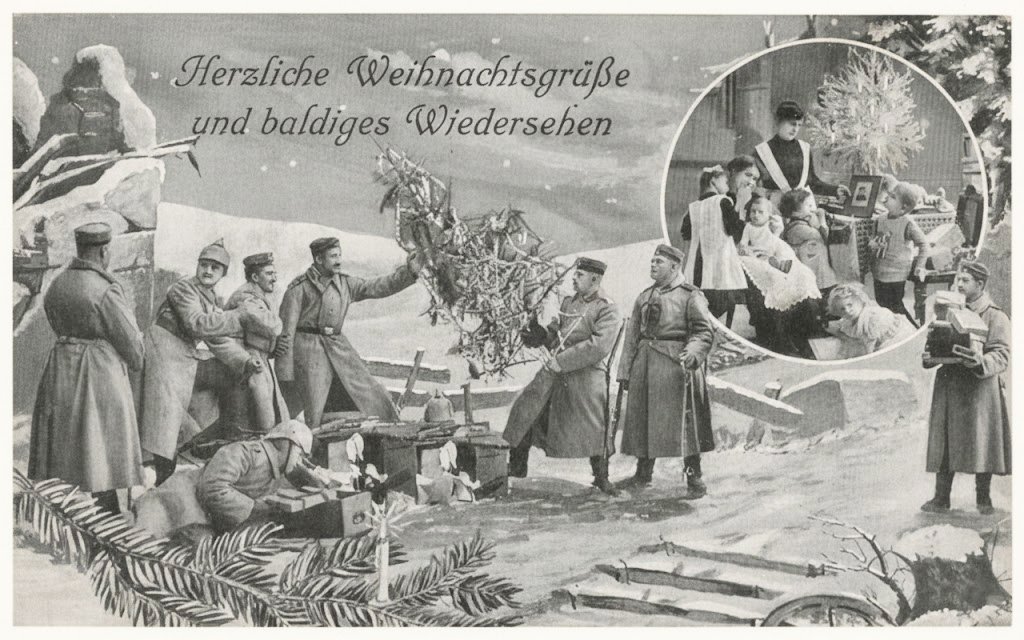
Along parts of the British–German line in Flanders, the days leading up to Christmas brought a freeze that hardened the mud into something like solid ground. As Christmas Eve approached, German units began placing candles on their parapets and small trees along their trench lines. They sang carols in German as British troops, understandably suspicious, watched through periscopes with fingers on triggers.
Then the call-and-response started. Germans sang “Stille Nacht.” British troops answered with “The First Noel.” Shouted insults turned into shouted greetings. Someone yelled “Merry Christmas!” in broken English. Someone on the other side yelled it back.At first, men just poked their heads above the parapet. Then a few brave idiots climbed all the way out. Once nobody got shot for that, others followed.
Christmas Truce Forms In Patches
What emerged from that was not a single coordinated ceasefire but a patchwork of local truces. In some sectors, British and German troops met in no man’s land, shook hands, swapped cigarettes and photographs, and agreed not to fire for a while. In others, nothing happened; the guns kept going, and anyone who tried to fraternize would’ve been in serious trouble. The truce was real, but it was never universal.
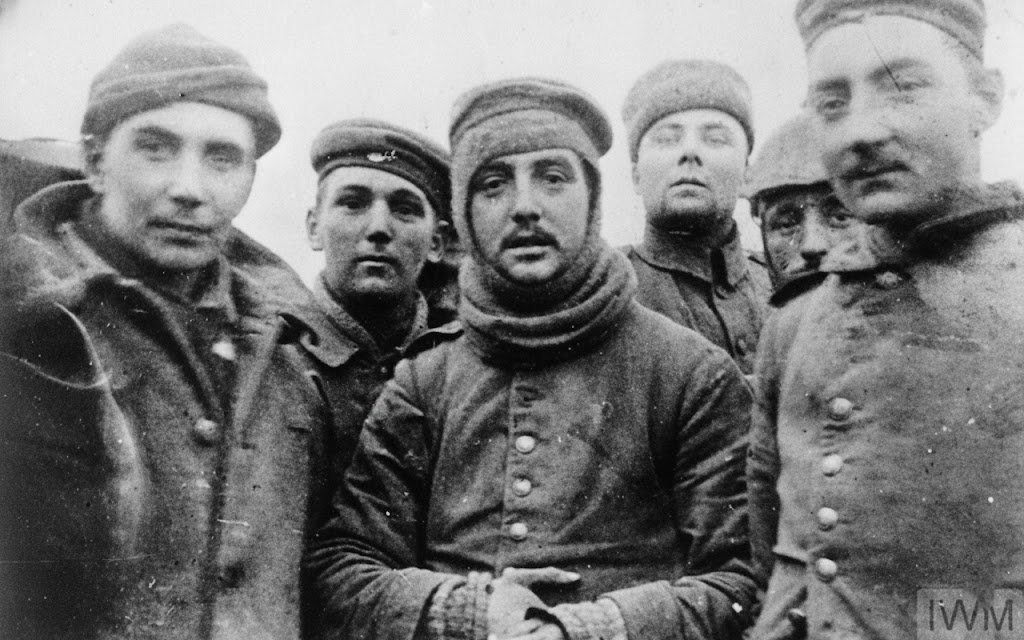
In the places where the truce took hold, the scene really was surreal. No man’s land, usually a place you crossed only to attack or drag back the wounded, turned into a meeting ground. Men pulled the frozen bodies of their dead comrades back for burial and sometimes held joint services. They shared food and drink: Germans had sausage and beer, the British brought bully beef and plum pudding. There was French wine and bread where French units joined in. They compared uniforms and traded buttons and badges as souvenirs.
And yes, there was football (soccer for you Yanks). Multiple letters and diaries talk about soldiers kicking a ball around in the mud. Sometimes it was a real soccer ball; sometimes, something improvised. These weren’t FIFA-regulated matches with proper goals and a referee; they were more like “30 guys sort of chasing the same object around until everyone gets tired.”
Christmas Truce Grows Into Myth
The famous “Germans 3, British 2” score you hear in a lot of retellings comes from a single later recollection and is almost certainly more story than stat line. It’s not wrong to say they played football; it’s just wrong to imagine a single grand match in which the entire front dropped everything to form teams and keep score.
In many sectors, the unofficial truce bled into Christmas Day. Some places even stretched it into the 26th. In a few spots, men worked out little arrangements like “we’ll shell that tree at 10:00, so don’t be near it,” a darkly practical way of reducing casualties while still obeying orders to fire.
The Legend
So how did we end up with the simplified, “one big soccer game and everyone stopped fighting” version?
First, newspapers at the time loved the human-interest angle. Stories about enemies shaking hands, singing hymns, and playing football cut through a sea of casualty lists and grim communiqués. Details blurred together. Different units’ experiences soon became one “Christmas truce story.”
Then came memory. For veterans who lived through four years of trench warfare, that one odd moment of decency stood out. When they told their children and grandchildren, the edges naturally got smoother. A dozen small football games became one game. Scattered pockets of ceasefire became “the day the war stopped.”
Christmas Truce Ends But Meaning Remains
Finally, there’s us. We like clean narratives. “Enemies stopped shooting everywhere for one day” is easier to hold onto than “some units in some sectors cut deals while others didn’t.” The myth does what myths do: compresses complicated reality into something you can put in a school play or a three-minute Christmas ad.
Commanders on both sides clamped down after 1914. Orders went out banning fraternization. By Christmas 1915, the war was even uglier. By then, the war had expanded with gas attacks, higher stakes, and more profound hatreds. There was no repeat on the same scale.
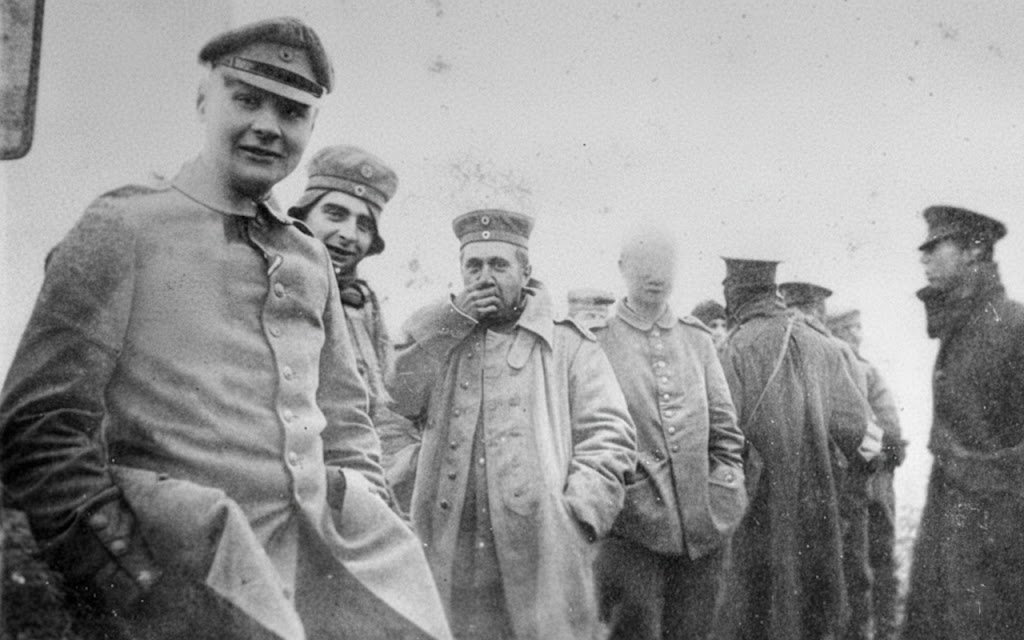
The Christmas Truce didn’t end anything. The war dragged on until 1918. Some of the men who shook hands in no man’s land probably killed each other later. By any practical measure, the truce was a glitch, not a turning point.
But that’s the point.
In a war famous for its industrial, impersonal killing, thousands of men still managed to look across barbed wire and see something human staring back. They did it without orders, rewards, or guarantees that they wouldn’t be shot for their trouble the next day.
The legend version—one huge soccer game, the whole front singing together—makes it look magical. The real version is messier and, in its way, braver: cold, scared, exhausted soldiers choosing, just for a night, to be people first and uniforms second, knowing full well that the guns were coming back on in the morning.
Read About Other Military Stories
If you enjoyed learning the real story behind the Christmas Truce of 1914 and how soldiers chose humanity amid World War I, we invite you to read the stories of other remarkable soldiers and their heroic deeds on our blog. In addition to our profiles of celebrities who served, we share military book reviews, veterans’ service reflections, famous military units and more on the TogetherWeServed.com blog. If you are a veteran, find your military buddies, view historic boot camp photos, build a printable military service plaque, and more on TogetherWeServed.com today.
SHARE:




0 Comments