

PRESERVING A MILITARY LEGACY FOR FUTURE GENERATIONS
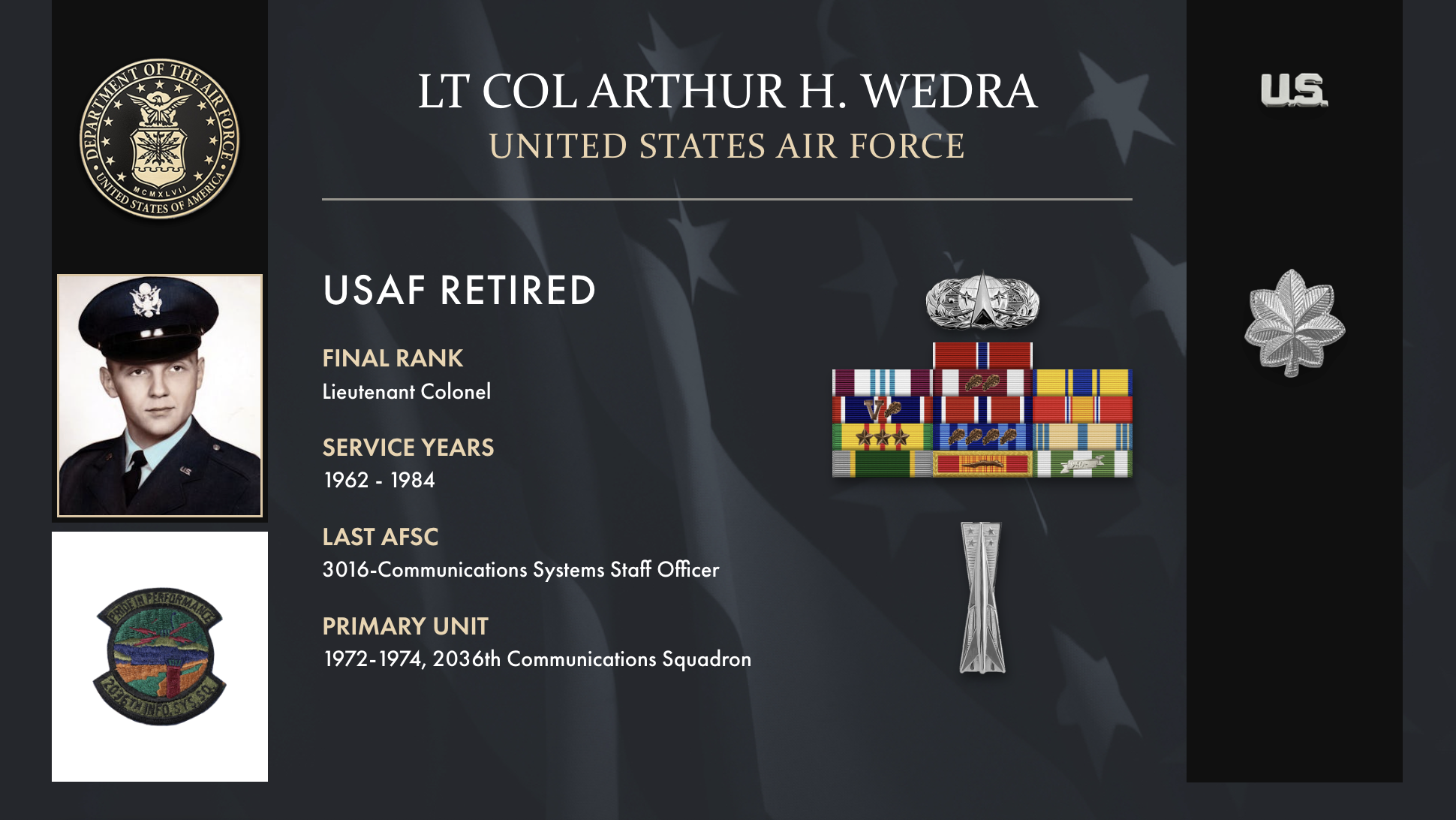
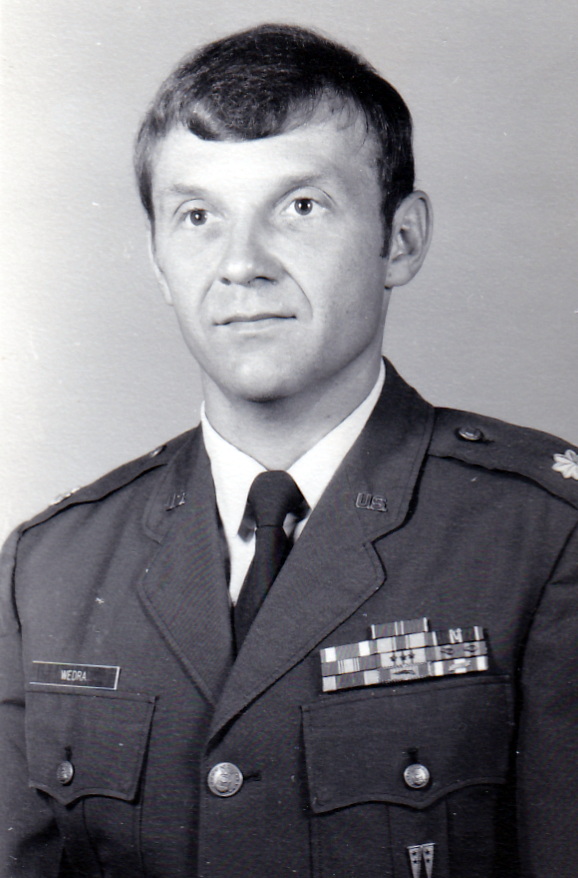
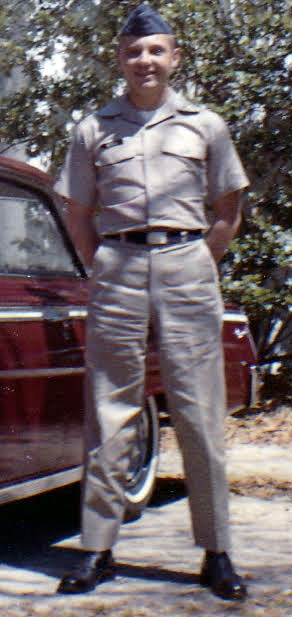
The following Reflections represents Lt Col Arthur Wedra’s legacy of his military service from 1962 to 1984. If you are a Veteran, consider preserving a record of your own military service, including your memories and photographs, on Togetherweserved.com (TWS), the leading archive of living military history. The following Service Reflections is an easy-to-complete self-interview, located on your TWS Military Service Page, which enables you to remember key people and events from your military service and the impact they made on your life. Start recording your own Military Memories HERE.
Please describe who or what influenced your decision to join the Air Force.
The draft was on! I dreamed of being an Air Force pilot… had several training flights during my first two years of Air Force ROTC at Gettysburg College (PA), a detachment that trained only pilots in 1956-1957. After completing my second year of ROTC, I was subjected to a complete physical, in which I discovered that I was color-blind and consequently would never be able to fly as an Air Force pilot. I was disappointed, but shortly thereafter learned that the Navy had an easier-to-pass color-blindness test… so I arranged for a physical at the Philadelphia Navy Base… it was an all-day exercise; the last event was the color-blindness test. The testers brought out what I knew was the same test the Air Force testers used. Surprised, I asked about the different tests and replied, “Oh, we found out that this one is more reliable.” And so ended my desire to be a military pilot. I put the whole idea of military service on the back burner until my senior year, in the spring of 1962…following two dropouts for lack of funds to return.
Then, in the spring of 1962, I was visited by an Air Force recruiter who stopped by my fraternity to talk up the Air Force OTS program, offering many “exciting career opportunities.” Not having any other options, I decided to sign up for that opportunity with several of my fraternity brothers.
Whether you were in the service for several years or as a career, please describe the direction or path you took. Where did you go to basic training, and what units, bases, or squadrons were you assigned to? What was your reason for leaving?
Having signed up for the November “E” class of Air Force OTS and having been told that once we signed up for it, we could not be drafted…I proceeded to work that summer and had plans to travel to Seattle to visit the World’s Fair that year, then to drive to San Antonio, TX, to begin my Air Force stint. All those plans were quickly evaporated when I received a draft notice to report to Ft Dix, NJ, within about 10 days. Wow, I left my girlfriend and my job and questioned the Air Force recruiter, who said, “I don’t know what happened, but the only thing you can do now is to enlist in the Air Force and hope to have your OTS class moved up when you complete Basic Training. That’s the way it happened, and I completed OTS… was commissioned a Second Lieutenant on Dec 21, 1962… flew home to pick up my car, and headed to Keesler AFB, Mississippi, arriving on Christmas Eve for a year’s training on heavy radars in the 30 career field.
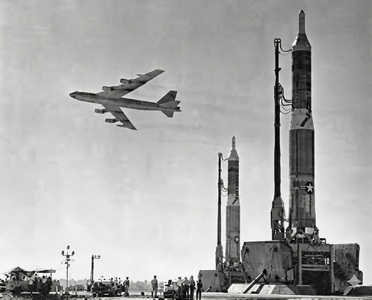
In January 1964, after taking on a wife, we headed to Cheyenne, WY, to be on an ICBM crew with the Atlas D missile program. Shortly after I arrived, it was announced that the Atlas D was being decommissioned…so several of us were sent to study the Titan I missile guidance system in Texas before earning our wings as crew members on the Titan I in late 1964. Then, because we were building self-guided missiles, the Titan I was decommissioned in the summer of 1965. At that point, some of us were sent to communications jobs in the Air Force…for me, it was to Loring AFB, Maine.
If you participated in any military operations, including combat, humanitarian and peacekeeping operations, please describe those which made a lasting impact on you and, if life-changing, in what way?
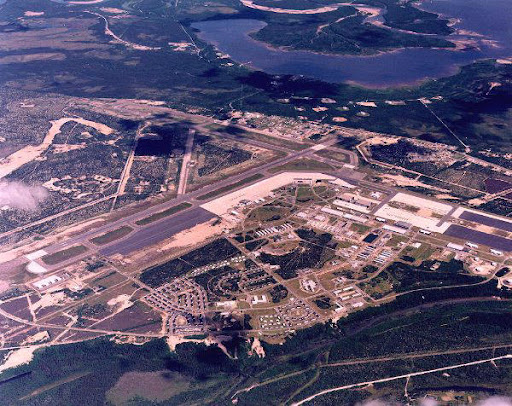
When I left the Titan I missile program, I thought I was going to be a communications maintenance officer at Loring AFB, ME, or so I was told. When I arrived, the Communications Officer told me that I would become a Tactical Communications Officer…briefing B-52 and KC-135 aircrews on in-flight communications sites and information for safe flights, which, at the time, I knew absolutely nothing about. Fortunately, my NCO, who had been seasoned for several years, pulled me aside and gave me some very valuable guidance…he said, “Never, I mean never try to bluff your way out of a question; if you don’t know, tell them you don’t know, you’ll research the issue and get the correct information back to the crew member. That put me at ease, and I worked at being the best tactical communications officer in the Air Force. From that day on, some of those crew members and I became good friends, while I became more and more professional in my answers. We participated in flights over Thule, Greenland, and Spain quite frequently over the year and a half I was stationed at Loring.
Nevertheless, I could have applied to leave the Air Force when my tour had reached the time requirement…but about two weeks before I could have put that application in, I received an assignment to Goose Bay, Labrador…either 15 months unaccompanied or two years accompanied. Not wanting to live for more than a year without my wife and son, who was less than a year old then, I opted for the accompanied tour. I proceeded to the Goose in September 1966, and because housing was short then, I had to wait until January 1967 before my family could join me.
Did you encounter a situation during your military service when you believed there was a possibility you might not survive? Please describe what happened and what was the outcome.
After two years at Goose Bay, I was scheduled to depart the Air Force as a junior captain… But I had a commander who kept asking me what it took for me to stay in the Air Force and would not take “no” for an answer. As it turned out, I had two senior NCOs working for me at Goose, who pulled me aside and told me that they didn’t think I was responding correctly to the commander. They proceeded to advise me on what they considered the correct response: to ask him for something he could not provide that would get me a “good last ticket,” which I could use even outside the service. Having respect for them both, I decided to pay a visit to the Personnel Office, where I found the next step in my career field, which was called Communications Staff Officer School at Keesler AFB, Ms. The article I was shown by the people at the Personnel Office said that in order to be eligible for that school, I had to be a field grade officer, Lt Col or Major, or at least a senior Company grade officer (Captain). Aha, I said that fills the bill that my NCOs advised, something you know he cannot provide, and gets my commander off my proverbial back…so on his next visit, I remember telling him that if he sends me to that school, I stay in and if not, I am out! I remember his response…saying that it was a tough order, but he’d do what he could to fulfill it. I also remember seeing my two NCOs giving me a “thumbs up” on my request for their advice! It was at least a month or two after that day when the Colonel came to my office to tell me that the Air Force considered me a good candidate for an Air Force career and that my request was granted. I talk of survival here as surviving a career.
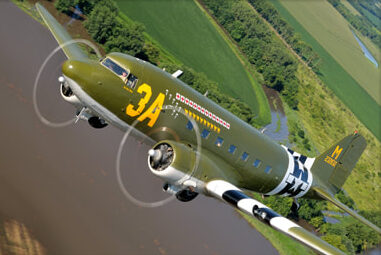
Literally, there were several times during a later assignment to SE Asia that I thought my time was over to survive. One of those happened after landing at a Thai base in a C-47, which had several bullet holes in the wing, to which I asked the pilot whether they were there when we took off. He replied that they were not! He said we took on a dissident sniper attack. Thank the Lord we survived! Other times, we dove into our new base after the crew wanted to avoid snipers who were active throughout Thailand after our departure from Vietnam.
Of all your duty stations or assignments, which one do you have the fondest memories of and why? Which was your least favorite?
And so I was off to Keesler to the Communications Staff Officer School with my family. The course took 8 months to complete, and I was promised to get more challenging assignments before starting school. Sure enough, my first assignment was to the 320th Bomb Wing as the Director of Communications-Electronics. The assignment was challenging because I had about 65 men and women under me. Still, before I could finish, I was told by SAC personnel at March AFB that if I was going to make it a career, I’d need to do a year in Vietnam… so I volunteered to go there, leaving my family once again… this time for a year. That had to be one of my favorite assignments, but although I traveled through Vietnam, I was never stationed there. I was initially ordered to Cam Rahn Bay, then to Da Nang, and about two weeks before I left the States, to Udorn AB, Thailand, with the 1974th Communications Group. When I arrived there, I found out that many of the Air Force units had been moved from Vietnam to Thailand. My job would be to take a team of 12-15 men from the Group and evaluate/inspect all of the communications organizations at all of 7 bases and 2 sites in the country, and ensure that they were able to support 24-hour-a-day flying from Thailand to bring the war in Vietnam to a close. That took the better part of a year, as some of the units were not doing the job and had to be rescheduled for a second/makeup evaluation. Three of the bases failed the initial inspection. My team of evaluators did a thorough and excellent job of ensuring they were performing as ordered by the Group Commander.
From your entire military service, describe any memories you still reflect on to this day.
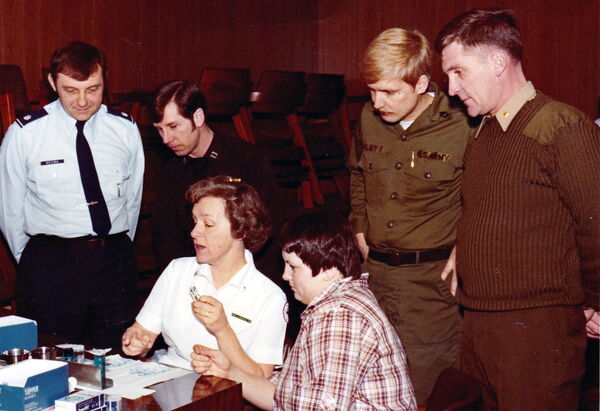
I was on orders when departing Thailand to a Communications Squadron commander’s job in the States…the first was the squadron at Little Rock, AR. When another commander overshot my 1974th Communications Group Commander with his candidate, my boss in Thailand told me to be in his office at 4 AM the next day for a verbal with General Paul Stoney, Air Force Communications Service (AFCS) Commander, a four-star general. y boss, who was a Brigadier General selectee at the time, engaged him about his comments on the way to SE Asia…and said, “Thank you, sir, for honoring those remarks.” He turned to me and said the general said you’ll have another assignment in a few days. Sure enough, three days later, I received my assignment as Commander of the 2036th Communications Squadron at Mountain Home AFB, ID. We had a new aircraft, the FB-111D, assigned with new aircraft takeoff, landing patterns, and other challenging issues for the squadron. Also, we had personnel drug issues that had to be taken care of…sometimes by giving them a release from the Air Force. I had a great First Sergeant among 165 wonderful people who were most professional in their duties, making my job more accessible as well. I was promoted to Major there and was the recipient of the Bronze Medal for my service in Southeast Asia. It was a two-year assignment, and from there, I was assigned to the Tactical Air Warfare Center at Eglin AFB, FL, where I did research and development tasks for the next four years…some of which are still “on duty” decades later.
What professional achievements are you most proud of from your military career?
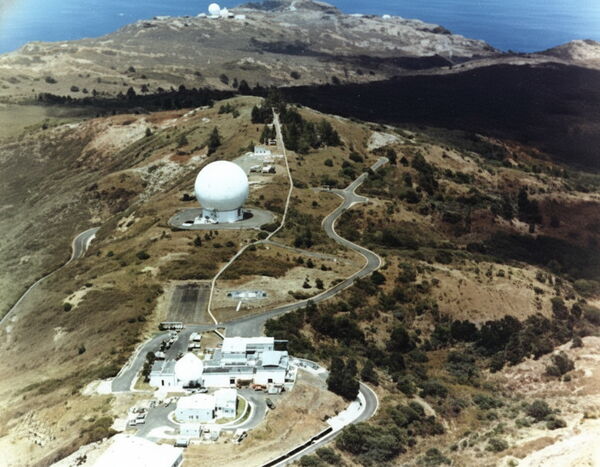
The leadership of some great men and women in the Air Force always causes me to reflect on my duty and my assignments, and that nothing would get done without their dedication and their splendid teamwork! Also, in retrospect, I believe that my SE Asia team accomplished a great deal toward bringing the Vietnam War to an end…; as those talking to end the war in Paris were doing their part to end the war, we were enabling the many sorties flying over North Vietnam taking out military targets so that the enemy had reason to believe that ending the war was in their best interest as well. After the war, I had the pleasure of doing some good work with great people to develop some good systems and equipment to continue our role as having the finest Air Force in the world. After serving for 4 years at the Tactical Air Warfare Center at Eglin AFB, I was assigned to the TRI-TAC office near Ft Monmouth, NJ, for another 4 years, which developed new arrays of tactical communications equipment for the next several generations. Then, on my last assignment, I was assigned to the Air Force Satellite Control Facility at Sunnyvale, CA, where we controlled all of the Defense satellites from 7 sites around the world, including some manned flights during that period.
Of all the medals, awards, formal presentations, and qualification badges you received, or other memorabilia, which one is the most meaningful to you and why?
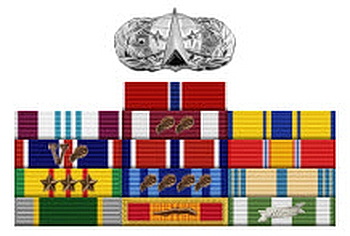
Probably the Bronze Star because of the impact of helping to bring the Vietnam War to an end. Individually, I am proud to have received the Defense Meritorious Service Medal as well as three awards of the Meritorious Service Medal and the Air Force Commendation Medal. Still, none of those awards was more meaningful to me than the group awards…the Air Force Outstanding Unit Award, issued twice to my assigned organizations, and the Air Force Organizational Excellence Award. Also, I admire the teamwork of my organization in SE Asia to receive the Vietnam Service Medal with three bronze stars.
Which individual(s) from your time in the military stand out as having the most positive impact on you and why?
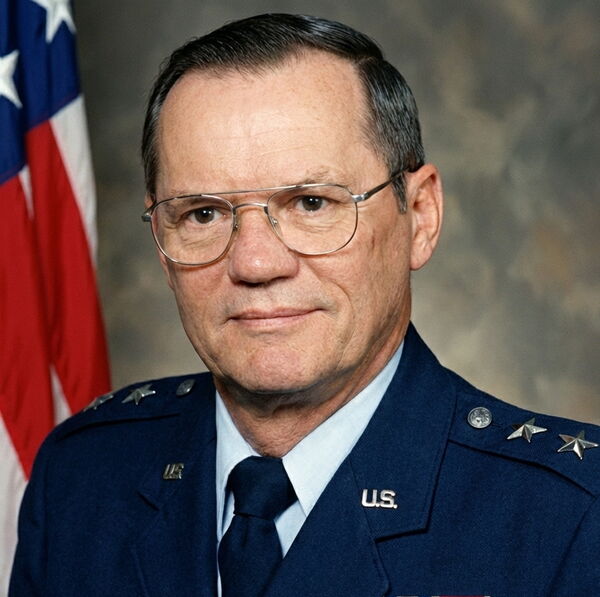
Major General William R. Yost was a remarkable leader as Commander of the 1974th Communications Group in a wartime situation. I remember my first meeting with him in August 1971…when he said, “Art, you can call me by my first name, Colonel.” “Yes, sir,” I responded. But he was with me after I inspected every base and site in the country, offering me a “Good job, Captain” to each of them for the whole year, while always offering encouragement for the next task! His response was always, “We have men dying every day here, and it’s our job to make sure that they have the facilities needed to do their job!”
List the names of old friends you served with, at which locations, and recount what you remember most about them. Indicate those you are already in touch with and those you would like to make contact with.
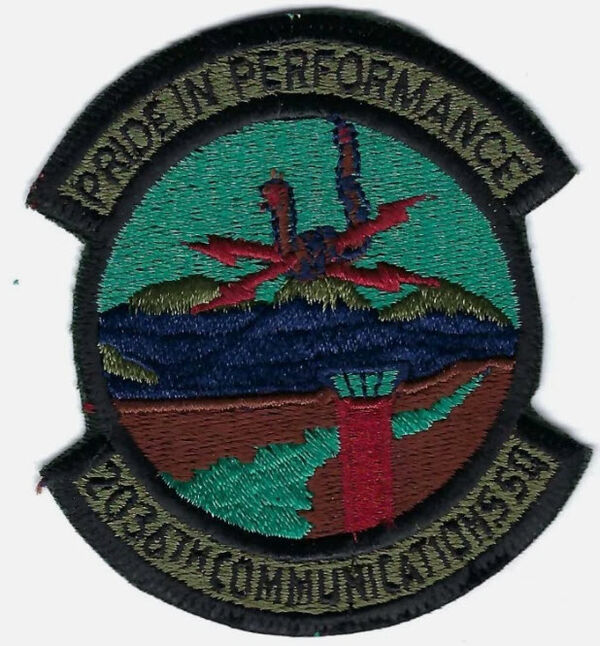
SMSgt Leo Drabek, a good and blessed man who always had the right solution to a problem we encountered while evaluating the bases and sites in Thailand. SMSgt Eddie Combs and SMSgt Ken Fields, my two specially qualified NCOs at Goose Bay AB, Labrador, without whom I would not have had a career in the Air Force. Of course, with the best First Sergeant in the Air Force at the 2036th Communications Squadron at Mountain Home AFB, Msgt Sherman Klingbiel!
Can you recount a particular incident from your service, which may or may not have been funny at the time, but still makes you laugh?
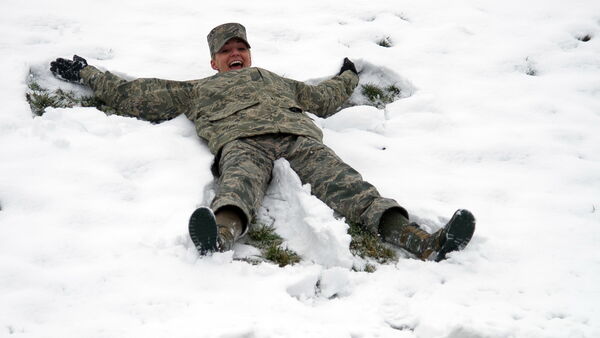
Humor always has its place, whether in uniform or not. I remember being at the morning Command Post briefing at Goose Bay AB when the commander asked the weather officer whether there was any precipitation in the forecast for the day, to which the officer responded, “No, sir.” Shortly after that comment to a closed-in meeting came a late-comer to the meeting with snow on his uniform. There were several chuckles, a comment or two…then absolute laughter in a bedlam of laughter!
What profession did you follow after your military service, and what are you doing now? If you are currently serving, what is your present occupational specialty?
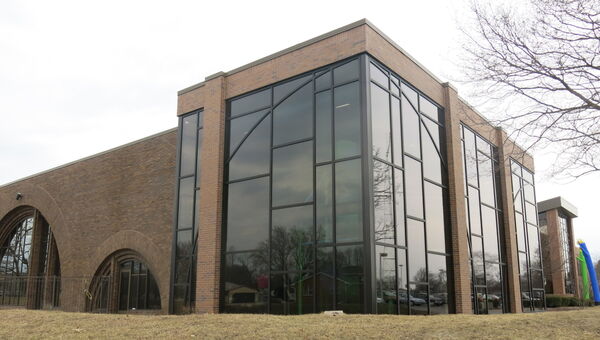
I received my Master’s Degree (MBA) at Eastern College, now Eastern University at St David’s, PA. Then, I proceeded to Moline, IL, to marry the woman I am now married to in 1986. I worked for the Two Rivers YMCA for 18 years before retiring. By the way, I gave the former Moline YMCA its new title of “Two Rivers YMCA” in a contest.
I am now active in my church in Moline, IL, as I have been for 30+ years. Part of the mission work in the church had me going to Russia just after the wall came down between the Soviet Union and the rest of the world. I went as part of a group from several Quad-Cities churches to present the Gospel to several Russian audiences; not the least was addressing a military group in a hospital setting where many Russian soldiers were missing arms and legs because they had been to Afghanistan before we were there. I gave the audience a brief summary of my military service and hopefully some encouragement!
What military associations are you a member of, if any? What specific benefits do you derive from your memberships?
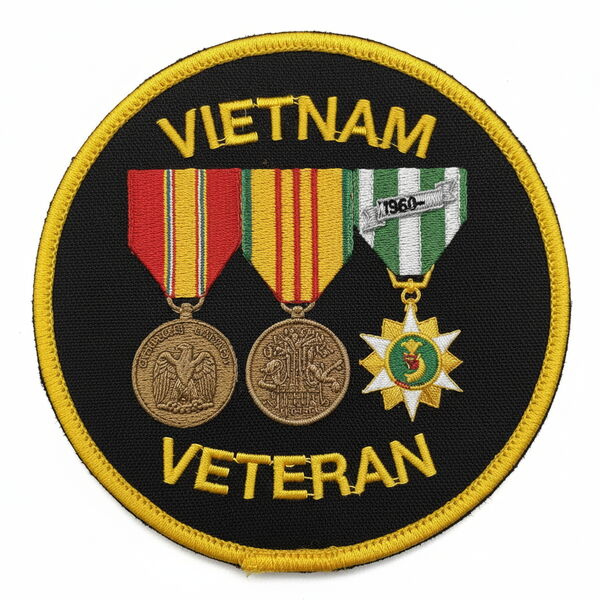
Military Officer Association of America (MOAA) and United Services Automobile Association(USAA). I plan to join the local Vietnam Veterans Association, having avoided that for too long.
I became a member of the Vietnam Veterans Association at the Quad-Cities Chapter 299 in early 2025.
In what ways has serving in the military influenced the way you have approached your life and your career? What do you miss most about your time in the service?
It certainly has affected my basis for approaching people…knowing that I am part of the team that has assured freedom for them and their families. It enables me to practice my faith more profoundly as well. I miss the togetherness of working toward common goals in the workplace. But I have taken the liberty of instituting some of that “togetherness” in day-to-day tasks at home, in church, and in the community!
Based on your own experiences, what advice would you give to those who have recently joined the Air Force?
Work hard, and never underestimate the importance of your job and the impact you may have on the generations that follow! Also, never underestimate the value of your faith and the plan that the Lord God has for your life, your work, and those whom you are gifted to assist!
In what ways has TogetherWeServed.com helped you remember your military service and the friends you served with?
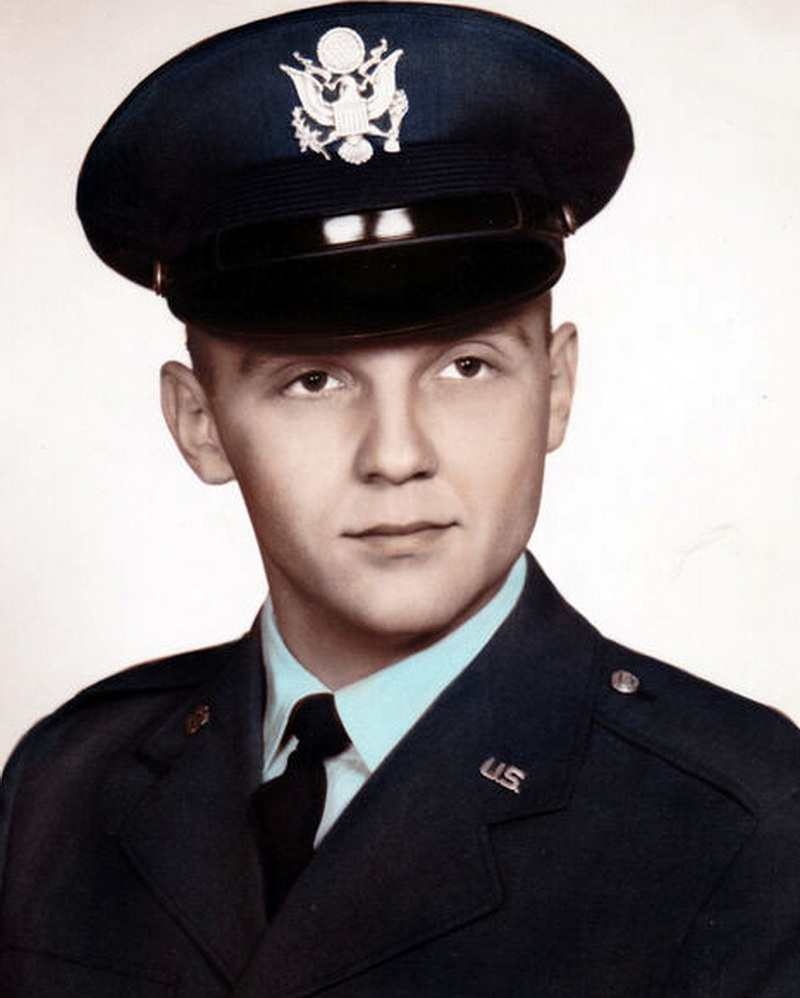
You are constantly encouraging my family and me with your presence on TWS!
I am a former Squadron Commander of the 2036th Communications Squadron at Mountain Home AFB, Idaho, serving from August 1972 to August 1974. Furthermore, I served at Lowry AFB, CO, as a crew member of a Titan I squadron from August 1964 to June 1965, having earned the Titan I Missile Crew Badge.
PRESERVE YOUR OWN SERVICE MEMORIES!
Boot Camp, Units, Combat Operations
Join Togetherweserved.com to Create a Legacy of Your Service
U.S. Marine Corps, U.S. Navy, U.S. Air Force, U.S. Army, U.S. Coast Guard
SHARE:




0 Comments