

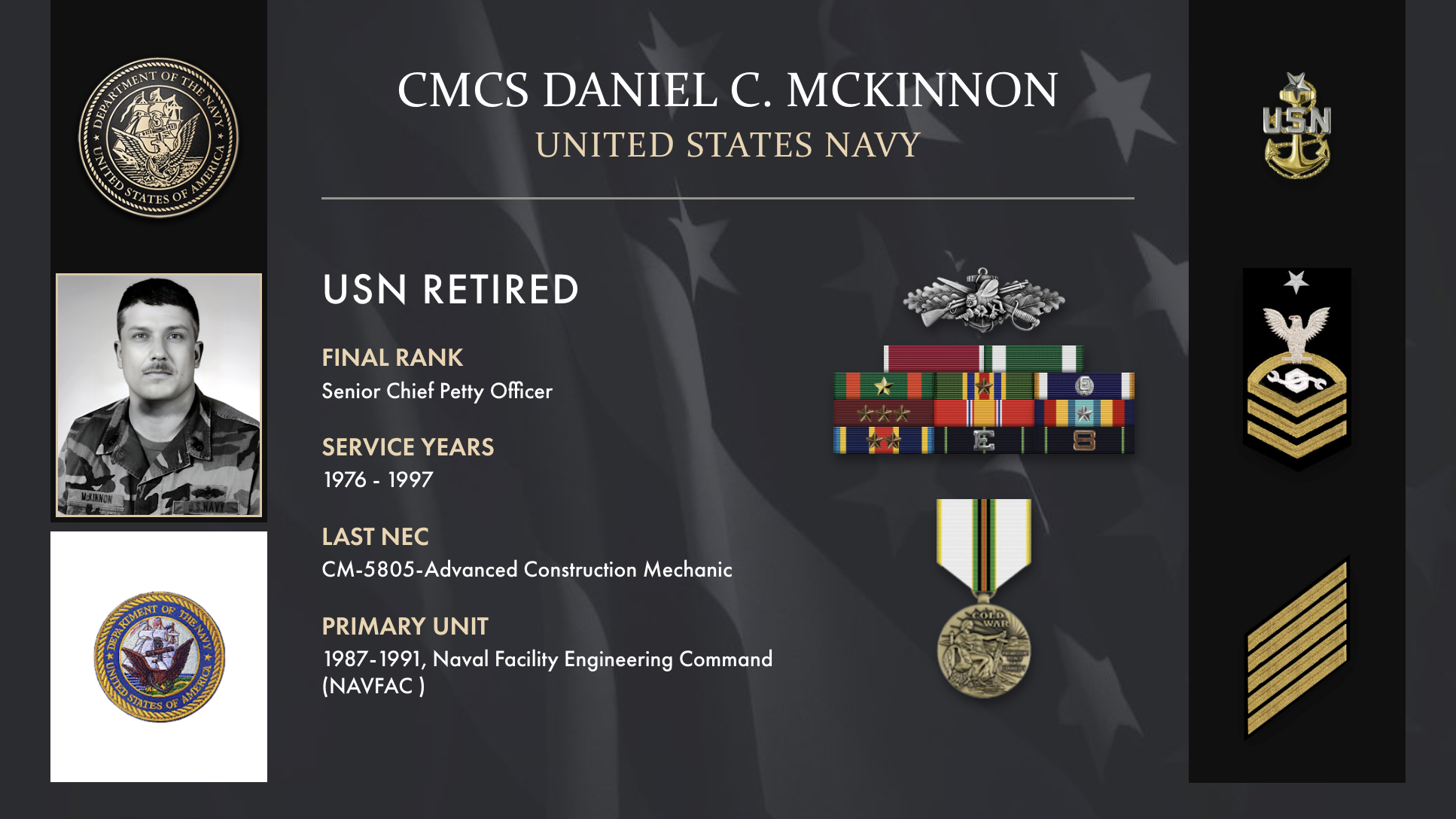
PRESERVING A MILITARY LEGACY FOR FUTURE GENERATIONS
The following Reflections represents CMCS Daniel McKinnon’s legacy of his military service from 1976 to 1997. If you are a Veteran, consider preserving a record of your own military service, including your memories and photographs, on Togetherweserved.com (TWS), the leading archive of living military history. The following Service Reflections is an easy-to-complete self-interview, located on your TWS Military Service Page, which enables you to remember key people and events from your military service and the impact they made on your life. Start recording your own Military Memories HERE.
Please describe who or what influenced your decision to join the Navy.
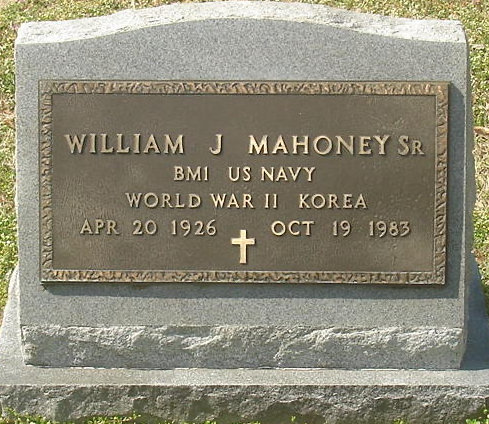
My decision to join the Navy was heavily influenced by my stepfather, a seasoned World War II and Korean War Navy veteran who retired as a Boatswain’s Mate First Class (BM1). After my mother remarried, he was transferred from the Navy shipyard in Boston to the Navy shipyard in Portsmouth, Virginia, just when I started high school, and it was not an easy transition for me. During my senior year of high school, his no-nonsense advice was clear: he strongly encouraged me to enlist, telling me to visit the recruiter because, upon graduating from high school, I’d need to leave his house. His experience as a crusty old salt and his ‘firm guidance’ (nice way of saying it) steered me toward a Navy enlistment.
Whether you were in the service for several years or as a career, please describe the direction or path you took. Where did you go to boot camp, and what units, bases, ships, or squadrons were you assigned to? What was your reason for leaving?
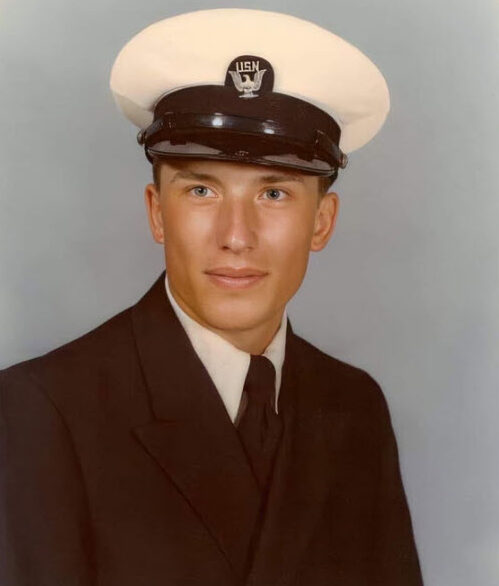
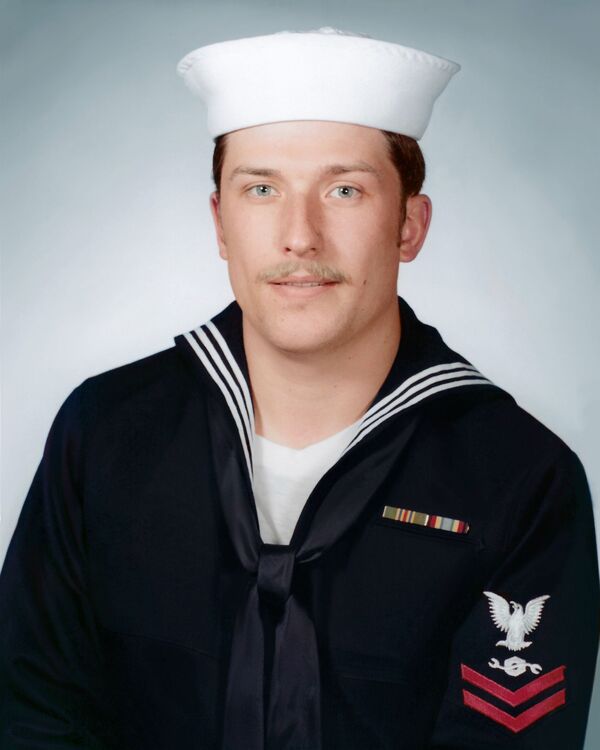
My naval career began as a USNR 3×6 enlistee at the Recruit Training Center in Orlando, Florida, where I found boot camp surprisingly easy. My company earned the distinction of Honor Company and the Brigade Flag, and I received a meritorious promotion to E-2 upon graduation. From there, I moved to the Naval Construction Training Center (NCTC) in Gulfport, Mississippi, to attend CM A School and train as a Construction Mechanic. After completing the school, I was assigned to Naval Mobile Construction Battalion 1 (NMCB-1), also homeported in Gulfport. My first deployment was a nine-month assignment to Diego Garcia in the British Indian Ocean Territory, where the Navy Seabees were constructing a naval base. Upon returning to our homeport in Gulfport, my Battalion deployed to Rota, Spain, for another nine-month tour. Halfway through that European deployment, I was promoted to CM3, and my Chief reassigned me to Detachment Sigonella, Sicily, to serve as a mechanic at Naval Air Facility (NAF) Sicily. While there, I connected with a fellow hiker from the Aviation Intermediate Maintenance Department and climbed Mt. Etna twice, an unforgettable experience.
After my deployment to Sigonella, Sicily, I returned to homeport at Gulfport, MS, and was soon discharged from my obligated three years of active duty and went into the reserves, assigned to a reserve Seabee battalion, RNMCB-22, in Houston, TX. I was only in the reserves for a few months and was able to return to active duty, keeping my rank as a CM3, first going through NTC Orlando for two weeks to get my service records reactivated, and making sure I had all my uniforms and receiving my new orders.
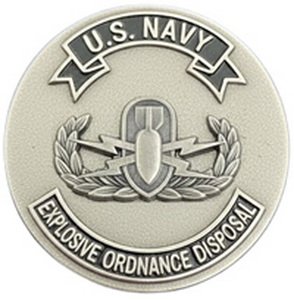
I soon received orders for shore duty with Explosive Ordnance Disposal Mobile Unit 2 (EODMU-2) at Fort Story, Virginia Beach. I first returned to Gulfport and married my first wife. This assignment was a highlight, as I was named the 1981 EODMU-2 Shore Sailor of the Year, promoted to CM2, and welcomed my first child. Eventually, I transferred back to Gulfport with NMCB-133, but my marriage ended in divorce just before a seven-month deployment to Puerto Rico. After completing that deployment and returning to homeport in Gulfport, I was scheduled to deploy to Okinawa. Still, my Chief reassigned me to serve as a parts expeditor at CBC Port Hueneme, California, for Detachment Adak, Alaska. I spent a year on Temporary Duty (TDY) with the 31st Naval Construction Regiment at Port Hueneme, where I met my 2nd wife, who worked downstairs in the same building on base. Upon my return to homeport in Gulfport, I was selected for promotion to CM1 and deployed as the Leading Petty Officer to Detachment Nea Makri, Greece, where I managed the mechanic shop and thoroughly enjoyed the experience. I returned to Gulfport in early 1986, contemplating leaving the Navy, as recruiter duty was the only thing being offered until a Master Chief wearing a civilian suit interviewed me for a classified assignment. The Navy Detailer and the Master Chief who interviewed me couldn’t provide details due to the assignment’s sensitive nature, so I was transferred to the 20th Naval Construction Regiment in Gulfport as a Military Training Instructor and Small Arms Range Coach to await my SBI clearance approval, which took 13 months. Receiving my Top Secret (SCI) clearance and reenlisting for six more years were among the best decisions of my career, cementing my commitment as a “lifer.”
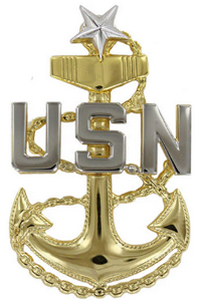
While awaiting my clearance at the 20th NCR, my second child was born, and a few months later, I took the Chief Petty Officer exam for the first time, and a month later, I transferred to NAVFAC Alexandria, Virginia. A few months later, I learned I had been selected as Chief (CMC), underwent initiation, received my anchors, and worked on a classified Cold War project, not wearing a military uniform for four and a half years. In 1991, as the project wound down, I transferred to the Public Works Department at Naval Air Station Keflavik, Iceland, for a two-and-a-half-year accompanied tour with my family, which I extended by another year, as the base’s Transportation Division Chief. My TS (SCI) clearance caught the command’s attention, and I was recruited to man the Provisional (part-time) Defense Courier Station, a part-time role requiring a TS clearance. After months of OJT training, I earned my Defense Courier Service (DCS) Form 9 credentials, a joint-service operation headquartered at Fort Meade, Maryland. A year into my Iceland assignment, I became the Chief Petty Officer in Charge of the DCS Station after previous CPOICs transferred out, managing classified material logistics and attending DCS conferences every six months on TDY orders. The role involved early morning (0100 – 0300) calls to unload courier materials from aircraft and coordinate delivery with station commands and the American Embassy in Reykjavik during normal working hours. After three and a half years in Iceland, I was selected for instructor duty at NCTC Port Hueneme, California, and first attended instructor school at Naval Training Center, San Diego. Certified as an instructor, I began teaching a 13-week CM A School class, but two weeks in, I was selected for promotion to Senior Chief (CMCS). Unfortunately, the CM School Director already held the only CMCS billet, forcing me to transfer. The only available CMCS billets were with two sea-duty Seabee battalions in Port Hueneme. The other Senior Chief would have taken a Gulfport billet if available, but, as the junior CMCS, I had to move after finishing my only 13-week “A” School class. This strained my second marriage, as my wife felt I chose to go on deployments and leave her alone with our children. Unfortunately, I could not get her to understand that I did not have a choice with the transfer. Being a military spouse is not an easy job.
The Navy transferred me to NMCB-3 in Port Hueneme, where I served as Alfa Company’s A5, the senior enlisted Company Chief. My first deployment with NMCB-3 was to Camp Covington, Guam, where I faced communication challenges with the Alfa Company Commander (Lt. A6) during training and deployment. Already under stress from returning to sea duty after just three months of shore duty and facing marital issues, I struggled but eventually convinced the Operations Chief (S3C) and S3 Ops Boss to transfer the Lt. to the S2 Training Department, replacing him with a very competent Junior Officer. However, before this resolution, I had already submitted retirement papers, hoping to save my marriage, and to complete the minimum of two years as CMCS to retain my rank in retirement. My paperwork was approved, and I was a ‘lame duck’ upon returning to homeport in Port Hueneme. My final deployment was scheduled for Rota, Spain, but as I wasn’t completing a full deployment, I was assigned to Detachment Souda Bay, Crete, for four months. My retirement ceremony took place at homeport before deploying to Crete, after which I returned to Port Hueneme, received my DD-214 and final Leave & Earnings Statement, and began approximately 100 days of terminal leave. Reflecting on my 21-year career, I had an awesome career with hindsight and regret retiring earlier than I wanted to, especially since my second marriage eventually ended in divorce a few years later.
If you participated in any military operations, including combat, humanitarian, and peacekeeping operations, please describe those that made a lasting impact on you and, if life-changing, in what way?
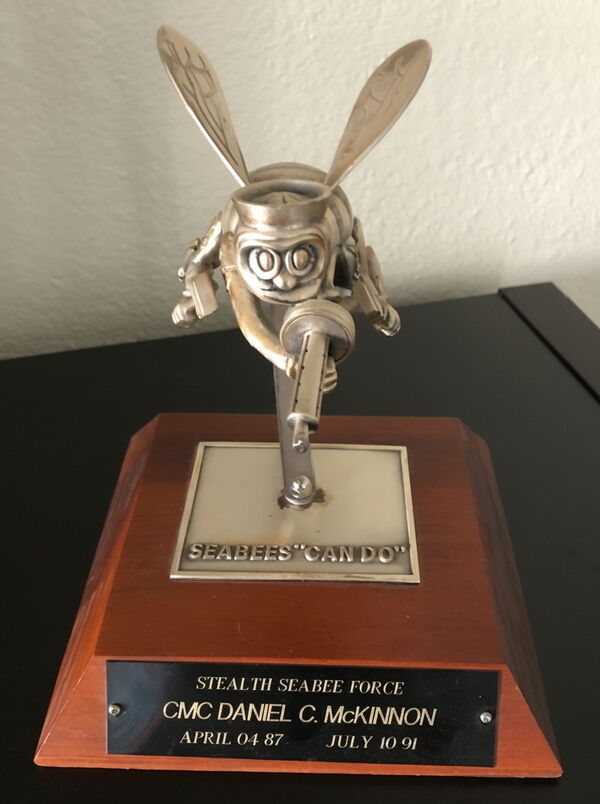
During my naval career, I was selected for “Operation XXXXXXX,” a still-classified Cold War special operation that profoundly shaped my life and broadened my understanding of global events and the American government’s approach to critical issues. The operation required a hand-picked team, each member chosen for specific skills and cross-rate training essential to its success. At the time, I was seriously considering leaving the Navy at the end of my enlistment. My Navy detailer urged me to reenlist to secure an interview for this mysterious assignment. Still, due to its classified nature, he could provide no details about the role, admitting he himself was unaware of its specifics. Taking a leap of faith, I agreed to the interview with the Master Chief Project Leader and endured a 13-month wait while my SF86 background investigation was processed and approved. Once cleared, I joined an extraordinary group of Seabees who were among the most intelligent, capable, and inspiring individuals I’ve ever worked with. The experience was transformative, though the details remain classified, and I hope they will be declassified before my time is up so I can share more. A few months after transferring to my next command, I was unexpectedly recalled to the Pentagon, where the Secretary of the Navy, H. Lawrence Garrett III, personally presented me with the Legion of Merit medal in his office as my end-of-tour award. This recognition was a significant boost to my career, especially since I had essentially been “off the grid ” for 4 and a quarter years, with minimal information reflected in my evaluations during that period.
Of all your duty stations or assignments, which one do you have fondest memories of and why? Which was your least favorite?
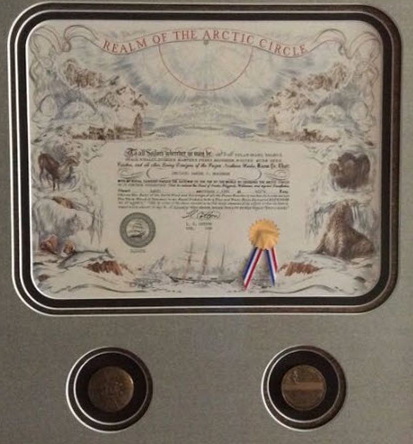
Reflecting on my numerous duty stations and assignments, selecting a favorite is challenging due to the many rewarding experiences I had. However, one particularly significant assignment remains classified and cannot be discussed. My fondest memories, therefore, are of my time at Naval Air Station (NAS) Keflavik, Iceland, an overseas accompanied tour that allowed my family to join me. As the Public Works Department Transportation Chief, I led an exceptional crew of Icelandic locals and Seabees, managing tasks like station road snow removal during the long winters, which spanned nearly four years and brought a unique sense of camaraderie and adventure. In the mild summer months, my family and I explored Iceland’s stunning landscapes, an experience so enjoyable that we extended our tour by an additional year. Witnessing the Northern Lights in person was truly unforgettable. Additionally, my Top Secret (SCI) clearance from a prior assignment qualified me for a collateral role with the Defense Courier Service (DCS), a provisional, part-time station at NAS Keflavik. This role, which I took on instead of Officer of the Deck duties, involved processing classified materials whenever aircraft arrived, and after my first year, I was appointed Station Chief in Charge. The position also afforded me the opportunity to attend regional and global DCS conferences every six months, enriching my experience with travel and professional engagement.
Conversely, my least favorite assignment was my first posting after completing CM A School in the late 1970s, during the presidency of Jimmy Carter. Budget constraints limited our ability to maintain equipment, and the post-Vietnam Navy was marked by low morale and widespread negativity, often encapsulated in the phrase “FTN.” While I did have some positive experiences, the overall atmosphere in the military was challenging until the morale and resources improved under President Ronald Reagan’s administration.
From your entire military service, describe any memories you still reflect on to this day.
The memory from my military service that continues to resonate most profoundly with me remains classified. Still, its significance was immense, fundamentally broadening my perspective on global events and operations, and likely had a significant global impact given its Cold War context and the involvement of high-level clearance and hand-picked personnel. Unfortunately, I cannot expand on the specifics of XXXXXXX due to its still-classified nature.
What professional achievements are you most proud of from your military career?
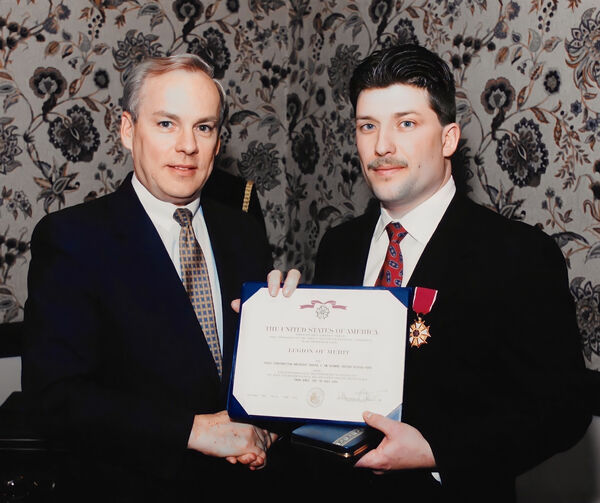
The professional achievement I am most proud of from my military career is receiving the Legion of Merit in 1992 for my contributions to a classified special assignment from April 1987 to July 1991. This recognition, awarded for my role as Special Equipment Development Officer in a Chief of Naval Operations-approved Naval Facilities Engineering Command project, marked a pinnacle of my service. After transferring to NAS Keflavik, Iceland, I learned that the Secretary of the Navy, H. Lawrence Garrett III, requested my presence at the Pentagon to personally present the award. Given the option to have my current chain of command present it or travel to the Pentagon, I promptly secured Temporary Additional Duty (TAD) orders and boarded a National Guard C-130 for a 10-hour flight from Iceland to Andrews Air Force Base. For the ceremony, I was instructed to wear a civilian suit, which served as our uniform for this covert assignment. A colleague still involved in the project hosted me at his home near Washington, D.C., and my mother traveled from Tidewater, Virginia, to attend the ceremony, adding a deeply personal dimension to the event. Unaware of the award’s significance beforehand, I had anticipated perhaps a Navy Commendation Medal, as I had never seen an enlisted member receive the prestigious Legion of Merit. The citation, available in an unclassified version at (https://valor.militarytimes.com/hero/204911), highlights my leadership, technical proficiency, and innovations under challenging conditions, contributing to a project of the highest national interest with a perfect safety record. Upon returning to NAS Keflavik, my Commanding Officer expressed enthusiasm and curiosity about the award. A few months later, I was further honored with a Letter of Appreciation from CIA Director Robert Gates for the same assignment, presented by my CO in Keflavik, reinforcing the significance of my contributions and their impact on national security.
Of all the medals, awards, formal presentations, and qualification badges you received, or other memorabilia, which one is the most meaningful to you and why?
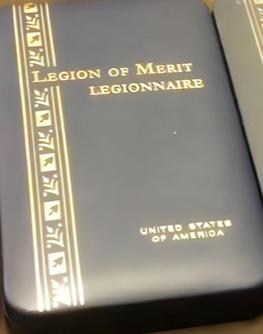
The most meaningful award I received during my military career is the Legion of Merit Medal, presented in 1992 for my contributions to a classified special assignment from April 1987 to July 1991. As detailed previously, this recognition for my role as Special Equipment Development Officer in a Chief of Naval Operations-approved Naval Facilities Engineering Command project stands out due to its significance and the circumstances surrounding its presentation. After transferring to NAS Keflavik, Iceland, I was summoned to the Pentagon, where Secretary of the Navy H. Lawrence Garrett III personally presented the medal, an honor I had not anticipated as an enlisted Seabee, expecting perhaps a lesser award like a Navy Commendation Medal. The ceremony, attended by my mother, who traveled from Tidewater, Virginia, and facilitated by a colleague from the project, was a deeply personal and professional milestone. The unclassified citation (available at https://valor.militarytimes.com/hero/204911) highlights my leadership, technical innovation, and dedication under challenging conditions, as well as my contributions to a project of national importance. Further recognition came months later with a Letter of Appreciation from CIA Director Robert Gates, presented by my Commanding Officer in Keflavik, underscoring the medal’s significance as a testament to my impact on national security and its enduring personal value.
Which individual(s) from your time in the military stand out as having the most positive impact on you and why?
Several individuals profoundly shaped my military career, each leaving a lasting impact through their mentorship, leadership, and guidance. Early in my career, during CM A School in early 1977 at the Naval Construction Training Center in Gulfport, Mississippi, I encountered CM2 Bob Reever, a new instructor shadowing the training staff. Quiet and observant, Bob stood out by engaging us trainees during breaks with thought-provoking questions that challenged our understanding of the material. His approach sparked critical thinking, leaving a strong first impression. A decade later, I reconnected with Bob, now a Chief (CMC), during a classified special project. As my supervisor, he trained me on sophisticated equipment far more advanced than standard Seabee gear, elevating my technical and leadership skills to a higher level. His consistent mentorship across these encounters was instrumental in my growth. Another pivotal figure was CMC Ralph Winterrowd, whom I served under in my first Seabee Battalion, NMCB-1, in the late 1970s and again in NMCB-133 in the early-to-mid-1980s. During my early years, when I was a non-rate struggling with the pervasive ‘FTN’ negativity post-Vietnam, Chief Winterrowd recognized my potential and transferred me to smaller detachments with mechanics who had stronger work ethics, a decision I only learned about years later. In our second Battalion together, as a newly promoted CM2 and squad leader, I faced a steep learning curve in leadership. During a field exercise, I made a tactical error alongside another CM2. Chief Winterrowd called us into his tent for a stern reprimand.
When I took full responsibility and explained my reasoning, he dismissed the other petty officer and shifted to a mentorship mode, discussing my potential and referencing his earlier intervention. His insights, later documented in my SF86 TS clearance investigation, underscored his belief in me and shaped my approach to leadership. At my second command with EODMU-2, CMCS Michael Clark took me under his wing. He trained me on many other aspects of construction equipment maintenance & repair, including logistics and understanding all the technical guidance in the Navy manuals that mechanics should know, which helped me immensely when I began running maintenance crews later in my career. Another influential figure was BUC Gary Turnbaugh, one of the finest chiefs I worked with during my tour with NMCB-133 in Gulfport. As my Chief during a detachment to Nea Makri, Greece, where I was one of the senior First Class Petty Officers of the detachment, Gary taught me invaluable lessons in leadership and cross-training rates. His promotion to Senior Chief followed our deployment, and we reunited a year later on the same classified project, where, as a newly selected Chief, I benefited from his guidance through the initiation process.
In 2024, my wife and I reconnected with Gary and his wife, spending days catching up on life since 1991, a testament to his enduring impact. Finally, CUCM Lonnie Dill was a transformative figure at a critical juncture. At my nine-year mark, with my second enlistment nearing its end, I was contemplating leaving the Navy and exploring civilian job offers. After declining a recruiting duty assignment, my detailer arranged an interview with Master Chief Dill for a classified special project. Unable to disclose details due to its sensitive nature, Dill’s interview left me with more questions than answers, requiring a leap of faith to extend my enlistment and transfer to the 20th Naval Construction Regiment while awaiting my security clearance. Despite uncertainties and my wife’s concerns, Dill’s persistence and eventual briefing after my transfer opened my eyes to a new perspective on global operations, fundamentally altering my career and worldview. I worked under him for four years until his retirement, continuing briefly before returning to uniformed service in Iceland. Dill’s influence was profound, guiding me through a pivotal decision that defined my Navy tenure. Notably, Master Chief Louis Ochoa, who interviewed me for an earlier Camp David assignment, from which I was not selected, was serving as a civilian contractor on this special project and was the judge at my Chief’s initiation. During our time together on the project, he would discuss with me unclassified leadership skills that I could perform and add to my annual evaluations that helped him during his earlier classified Seabee career, as our evaluations had limited information on what could be entered, tying together all these impactful relationships.
List the names of old friends you served with, at which locations, and recount what you remember most about them. Indicate those you are already in touch with and those you would like to make contact with.
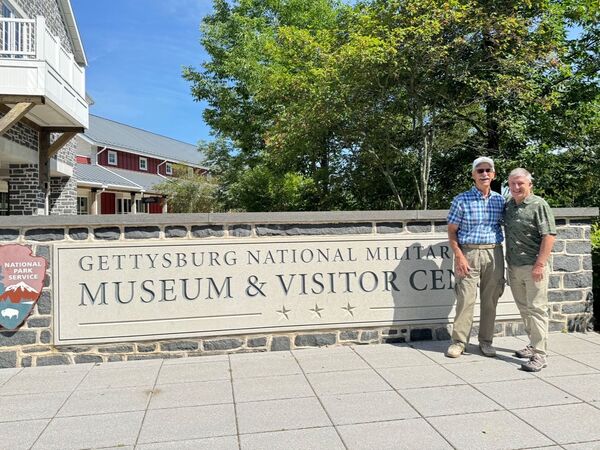
I am in touch with many friends from my Navy days on social media. One of my mentors I reconnected with in summer of 2024, retired CUCM (SCW) Gary Turnbaugh USN at the Gettysburg National Military Museum at Gettysburg, PA.
Can you recount a particular incident from your service, which may or may not have been funny at the time, but still makes you laugh?
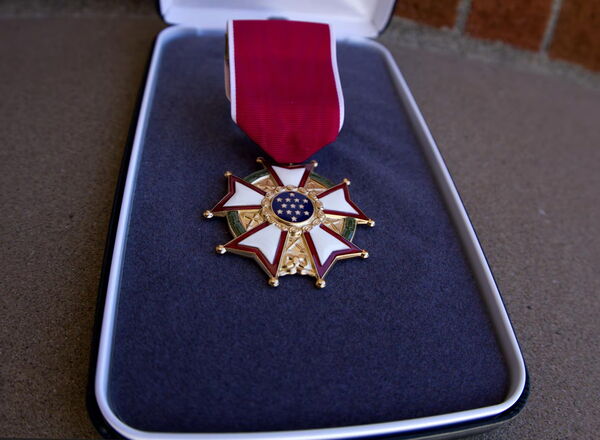
Around 1992 or 93, I was walking through the MAC terminal in Norfolk wearing khakis to catch a rotorcraft flight back to NAS Keflavik, Iceland, after attending a Defense Courier Service conference. Out of nowhere, this enormous, jacked-up Chief I’d never seen before got right in my face and started ripping into me like a drill instructor—at full volume in the middle of the terminal. He was pointing at my chest and screaming that my ribbon rack looked a little “heavy” compared to most people walking around in khakis. I was wearing the wrong ribbon, insisting I was wearing a Legion of Merit ribbon for a Meritorious Service Medal, which has similar red-and-white colors, or that I was faking it entirely. I said to him that it was actually a Legion of Merit ribbon (pretty rare for my rank at the time), and he was so worked up that he kept yelling he was going to report me for stolen valor.
I’d actually been warned this might happen. Right after my award ceremony, an Admiral who attended the ceremony pulled me aside and said, “Son, some people are going to give you grief about that ribbon—be ready.” My former Master Chief, though, just laughed and told me, “You earned it. You don’t owe anybody an explanation.” There were expletives that I left out from the Master Chief’s quote.
In the moment, I was genuinely rattled—this guy was huge and furious—so I just turned around, walked away, and disappeared into the crowd while he was still hollering behind me. Never saw him again.
Looking back, it’s kind of hilarious. This was long before YouTube stolen-valor confrontations were a thing, but back in the day, there were already self-appointed ribbon police roaming around, ready to pounce on anything that looked out of place. I just happened to be the unlucky guy who triggered one that day.
What profession did you follow after your military service and what are you doing now? If you are currently serving, what is your present occupational specialty?
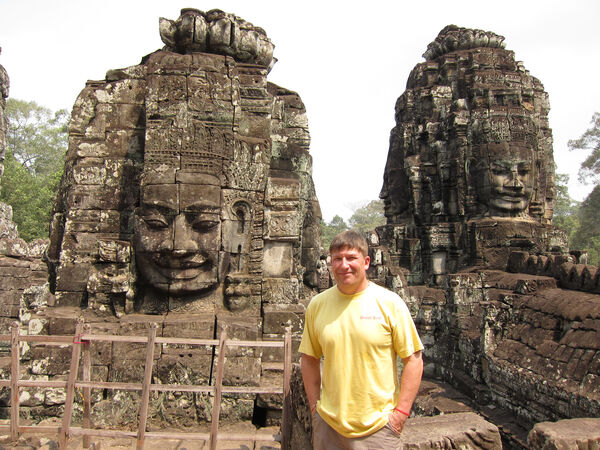
After retiring from the Navy in 1997, attempting to save my 2nd marriage, I relocated with my wife to Idaho, where jobs aligned with my Navy skills were scarce. I initially worked as an RV mechanic in Meridian, Idaho, but the anti-military sentiment among the staff created challenging working conditions, prompting me to seek other opportunities. I then joined Micron Technology in Boise, working in a FAB cleanroom producing DRAM chips on silicon wafers, an engaging role that I held for over five years. During this time, I started a landscaping company with my brother, initially part-time, but its rapid growth led me to leave Micron and focus on the business full-time. A few years later, I sold the company. Subsequently, I reconnected with a former Seabee buddy working as a civilian defense contractor in Afghanistan. After sending him my resume, I was hired within weeks and deployed to Kandahar, Afghanistan, as a civilian defense contractor, serving as a foreman in a light mechanic shop. Later that year, I transferred to Balad, Iraq, with the same company. After about a year, I joined another contractor, processed through the CRC in El Paso, Texas, and returned to Balad, Iraq, working at a different part of the air base as a heavy equipment mechanic. Two years later, I transferred to Doha, Qatar, in the same role, until my contract ended after a year, leading me to return home briefly. I then took another contract in Afghanistan as a mechanic, quickly advancing to a logistics role, which I performed for seven years until September 2017. Now fully retired, I spend my time traveling across the United States and around the world, enjoying the freedom to explore new places.
What military associations are you a member of, if any? What specific benefits do you derive from your memberships?
I am a member of several military-related associations that provide both practical benefits and a continued connection to my Navy service. I maintain memberships with Navy Federal Credit Union and USAA, which offer reliable banking and insurance services tailored to military veterans. As a semi-active Paid Up for Life Member of the American Legion in Georgia, I support their initiatives, particularly by donating to their Food Pantry for veterans in need. However, my schedule often prevents me from attending monthly meetings. I am also an active Life Member of the Fleet Reserve Association, Branch 89 in Georgia, where monthly gatherings foster Navy camaraderie, allowing me to connect with fellow veterans who share an understanding of our past service and duty, though it differs from the bonds formed on active duty.
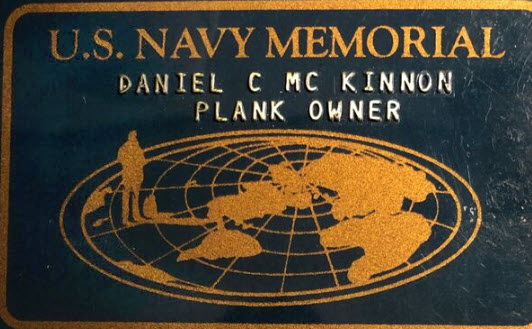
Additionally, I am a 1987 Plankowner of the US Navy Memorial Foundation and, in April 2024, became a Plankowner member of the National Chiefs Mess affiliated with the Memorial. Visiting the Memorial during trips to the Washington, D.C., area, engaging with its historical Navy stories from past sailors, and staying informed through the National Chiefs’ Mess about current Navy issues faced by today’s Chiefs keep me connected to the Navy’s legacy and its present. Finally, I am a member of the Navy Seabee Foundation, formed by the merger of the CEC/Seabee Historical Foundation and the Seabee Memorial Scholarship Association. This organization preserves the history of the Civil Engineer Corps and Seabees, sharing stories on social media to raise public awareness and providing annual scholarships to the families of CEC officers and Seabees, supporting the next generation while honoring our heritage.
In what ways has serving in the military influenced the way you have approached your life and your career? What do you miss most about your time in the service?
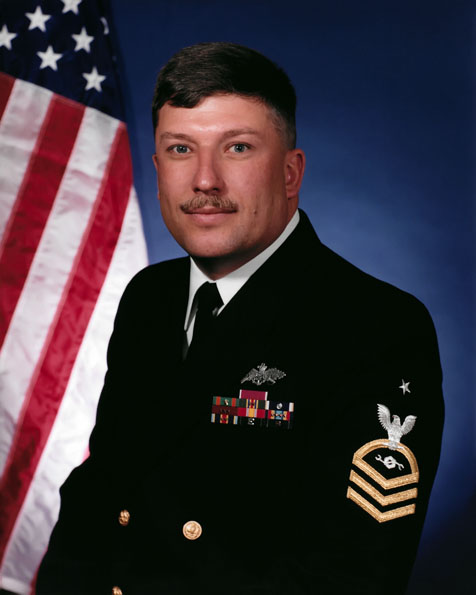
My military service profoundly shaped my approach to life and career, instilling a strong sense of discipline that guided how I managed my workday with structure and efficiency. Growing up poor and on welfare, the opportunity to travel and live in diverse parts of the world during my Navy career was exhilarating, exposing me to a variety of cultures and broadening my worldview. This global exposure continued after retirement through my work as a civilian defense contractor, further enhancing my awareness and open-mindedness toward international events and the multitude of perspectives that shape them. The experiences taught me to approach challenges with adaptability and a deeper understanding of global dynamics. What I miss most about my time in the service is the unparalleled camaraderie and teamwork, the bonds forged with fellow service members through shared purpose and duty, which remain unmatched in civilian life.
Based on your own experiences, what advice would you give to those who have recently joined the Navy?
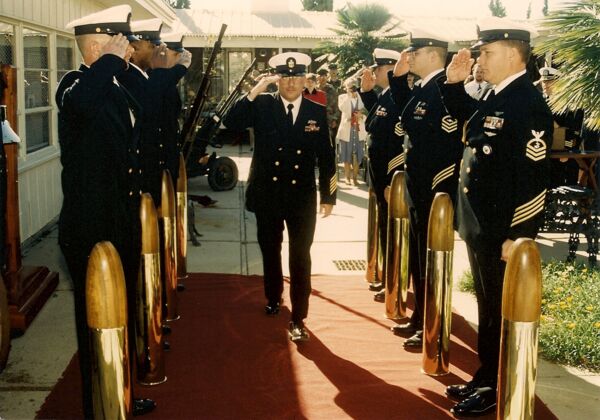
To those who have recently joined the Navy, I advise embracing an open-minded approach and willingly tackling the unknowns that come with service, as these challenges foster personal and professional growth. Seize every educational opportunity available, as the Navy offers valuable resources to enhance your skills and knowledge, setting a strong foundation for your career. Equally critical is documenting every injury, illness, or chemical exposure in your service record, no matter how minor it seems. The VA relies heavily on official documentation, and obtaining it after receiving your DD-214 is incredibly challenging. During my time, visiting sickbay was often discouraged, particularly for those aiming for a long-term career and advancement, which led me to downplay and endure many injuries without proper documentation, a decision that later complicated VA claims. Prioritize your health and ensure every incident is recorded to safeguard your future VA benefits.
In what ways has TogetherWeServed.com helped you remember your military service and the friends you served with.
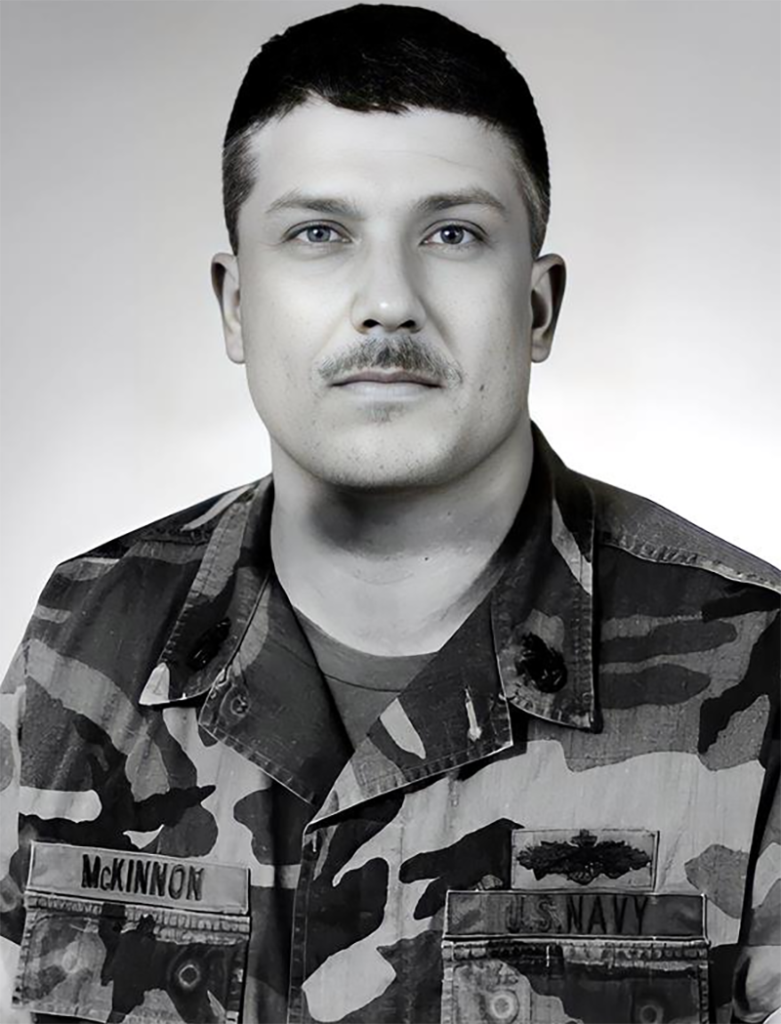
TogetherWeServed.com has been instrumental in helping me reconnect with my military service by prompting me to reflect on my Navy career, spanning from 1976 to 1997, and the many experiences and individuals that shaped it. The platform encouraged me to dig through old photos and memorabilia, sparking memories of my time as a Seabee, though I’ve realized some details have faded over the years. As I uncover more items or memories resurface, I plan to update my profile to preserve these recollections and honor the connections with friends and shipmates from my service.
PRESERVE YOUR OWN SERVICE MEMORIES!
Boot Camp, Units, Combat Operations
Join Togetherweserved.com to Create a Legacy of Your Service
U.S. Marine Corps, U.S. Navy, U.S. Air Force, U.S. Army, U.S. Coast Guard
SHARE:




0 Comments